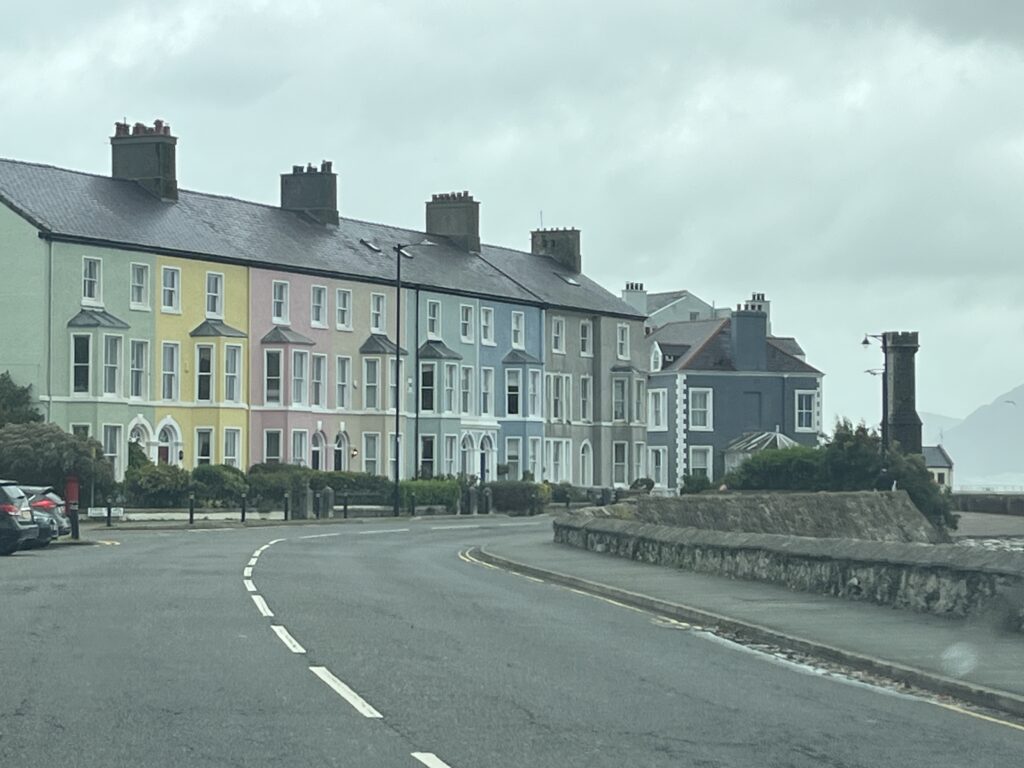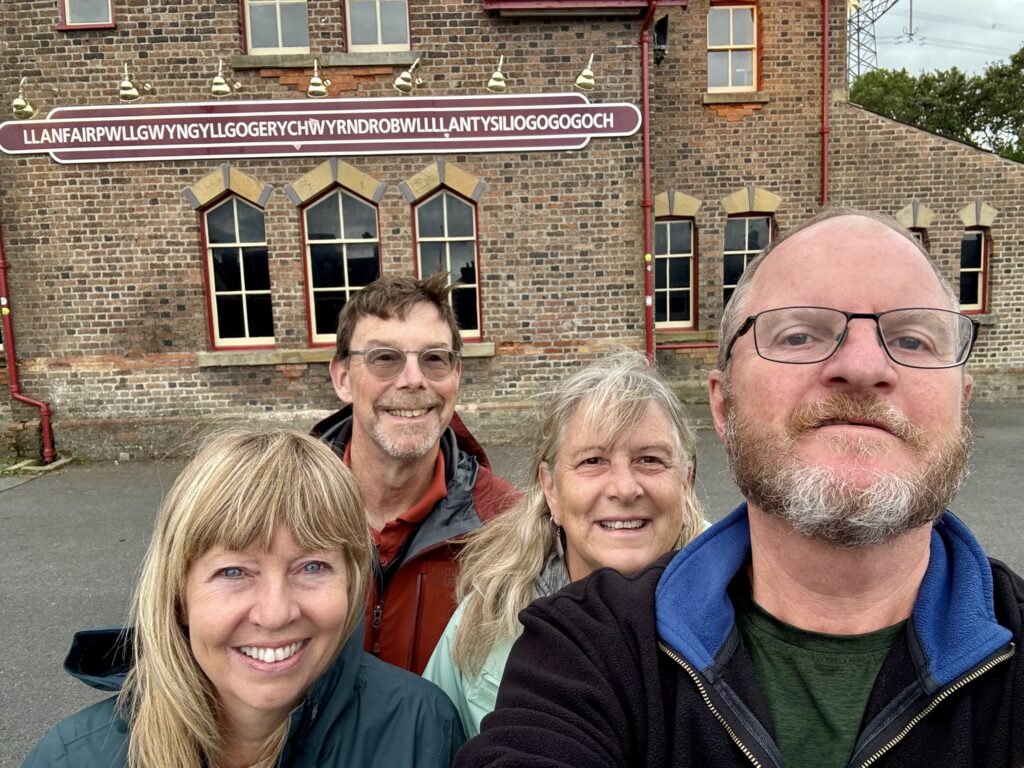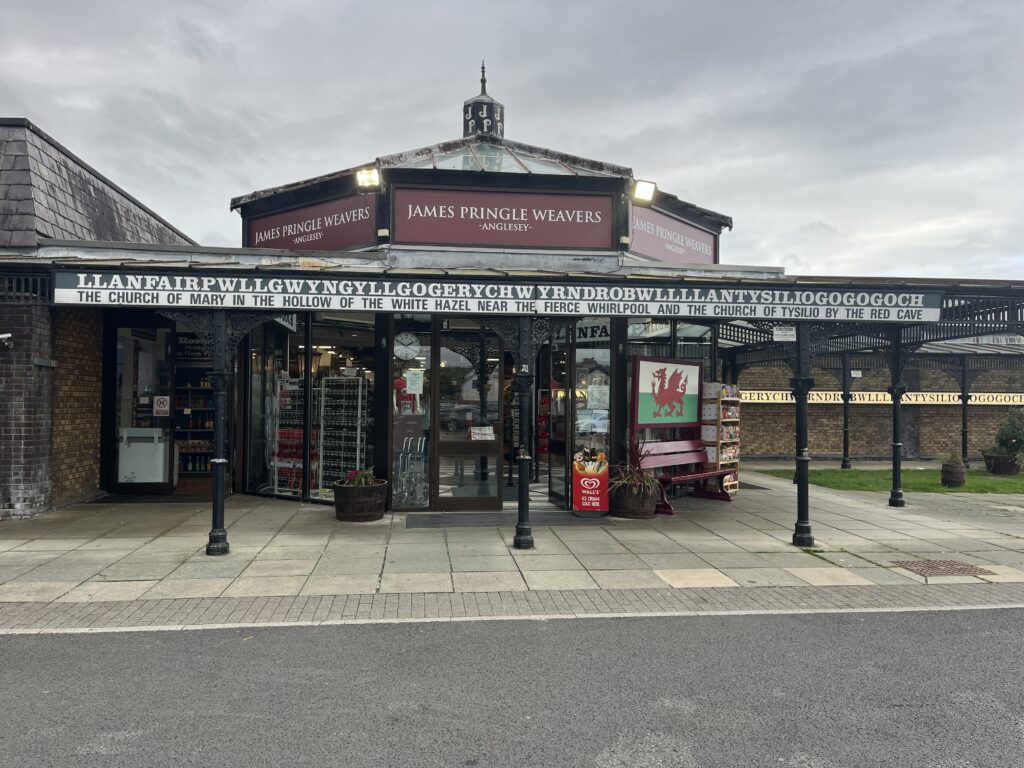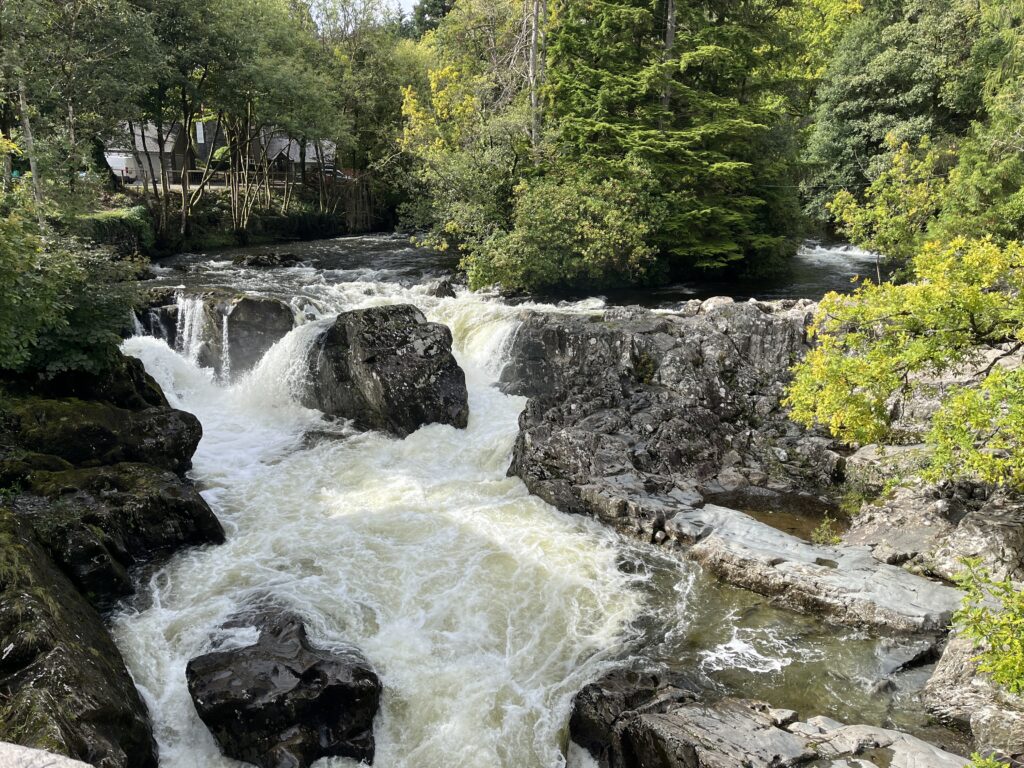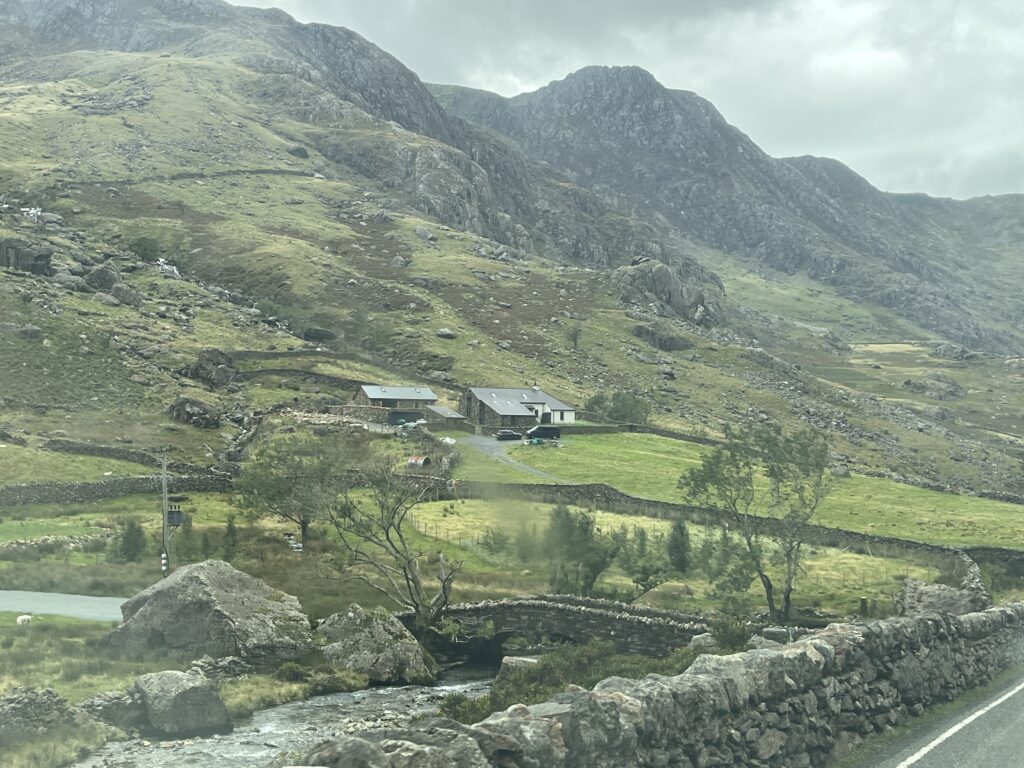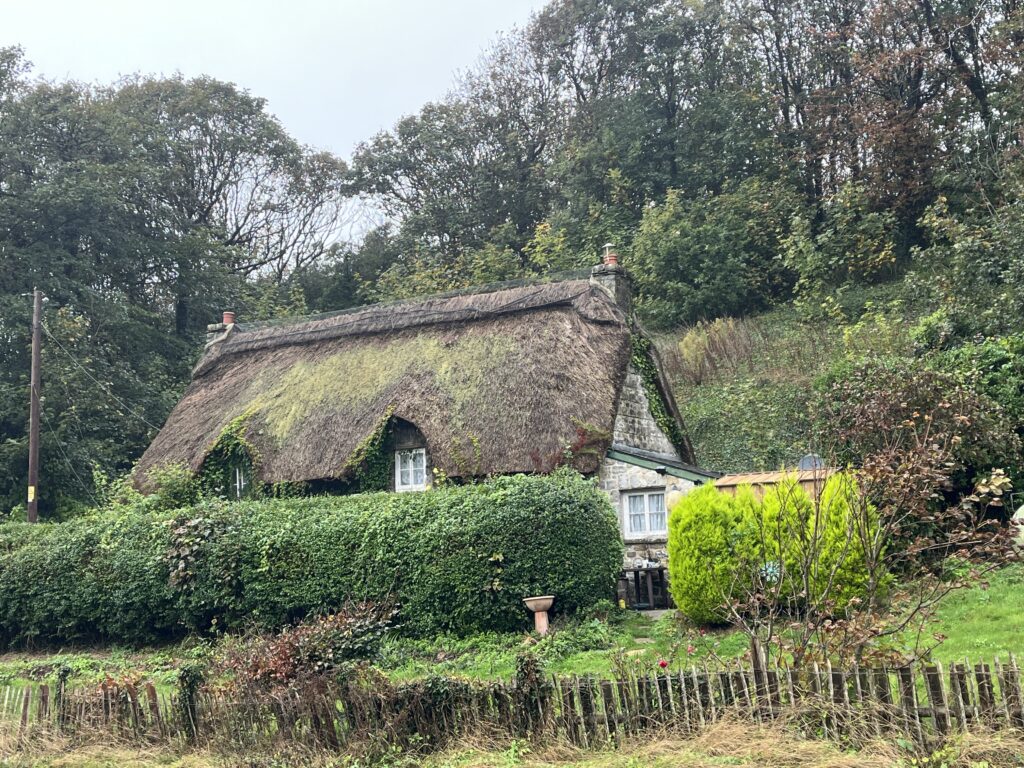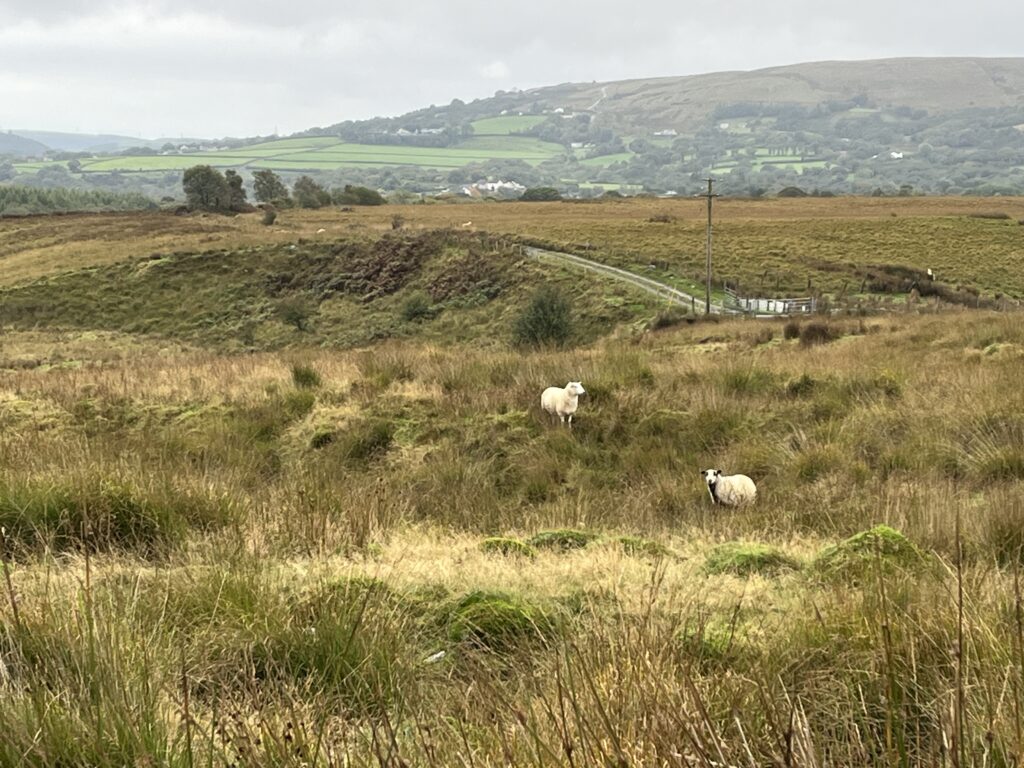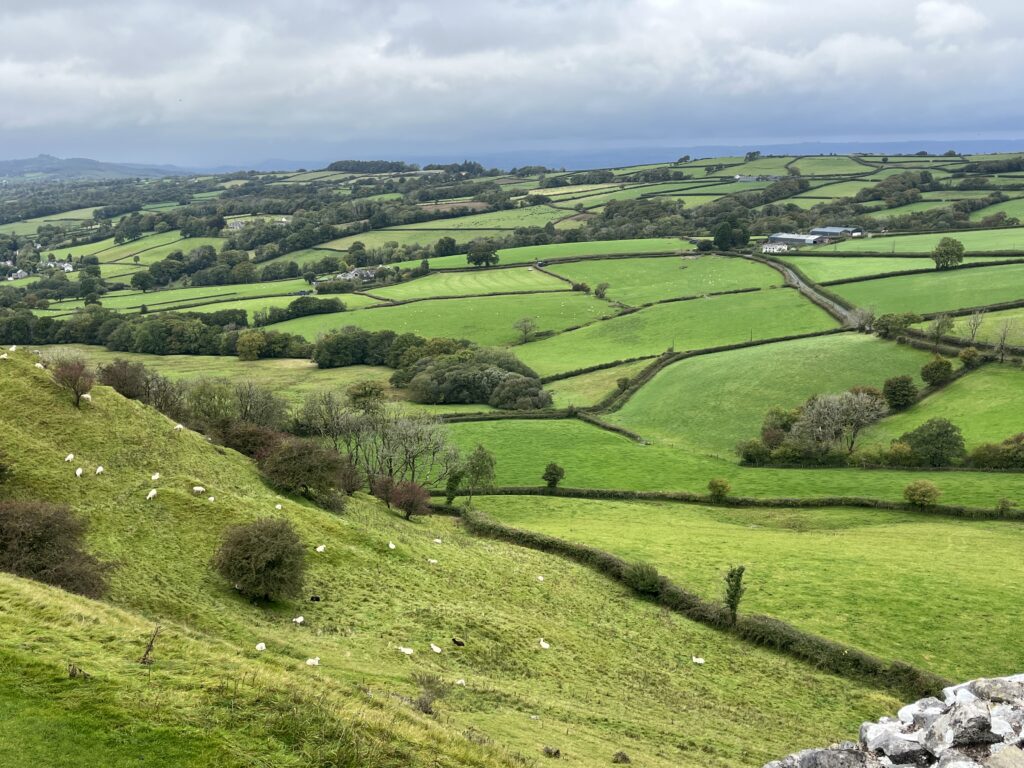
The Wales trip was divided into two “base camps” – One in Llanberis, near the Isle of Anglesey in the north and the second in Mumbles near Swansea in the south. Although almost everyone we encountered spoke perfect English, most of the names of things and the signs were in Welch, albeit with English subtitles. We all struggled with location pronunciations to the point where none of us seemed to understand what the other was talking about. For example, I might pronounce Llandudno as “land no” and get a response that would be something like “I can’t find Land Ho on the map”. Aside from minor language difficulties, the biggest difference from England seemed to be more rugged terrain and consequently, fewer sheep and less grazing land. Same amount of rain though.
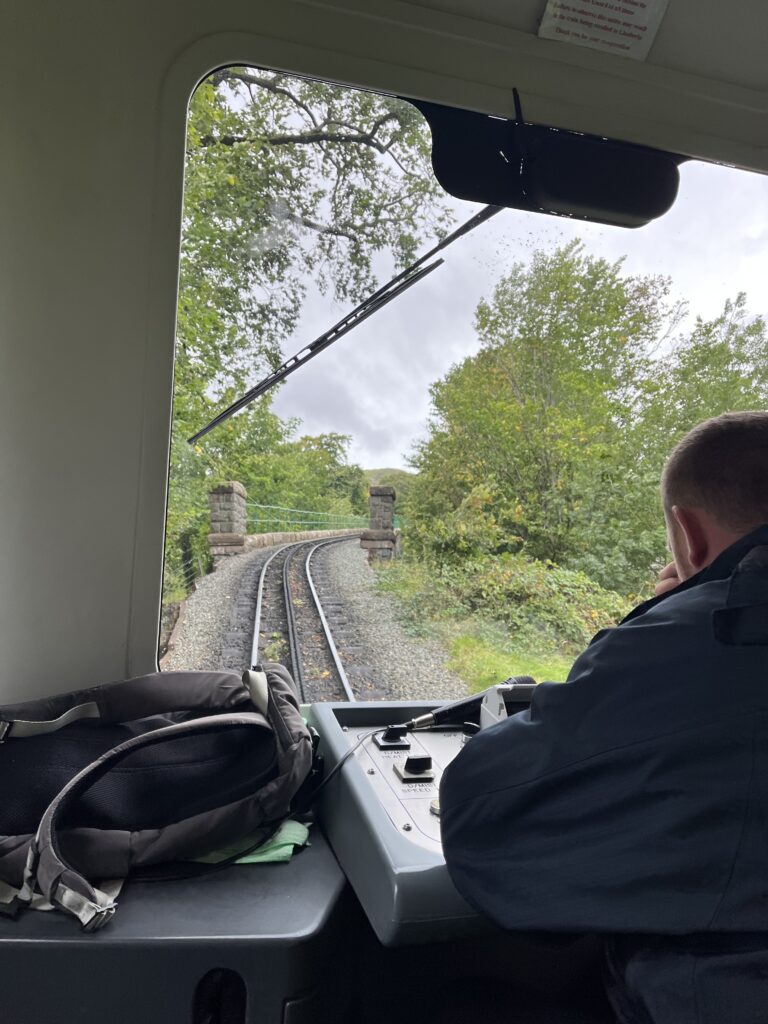
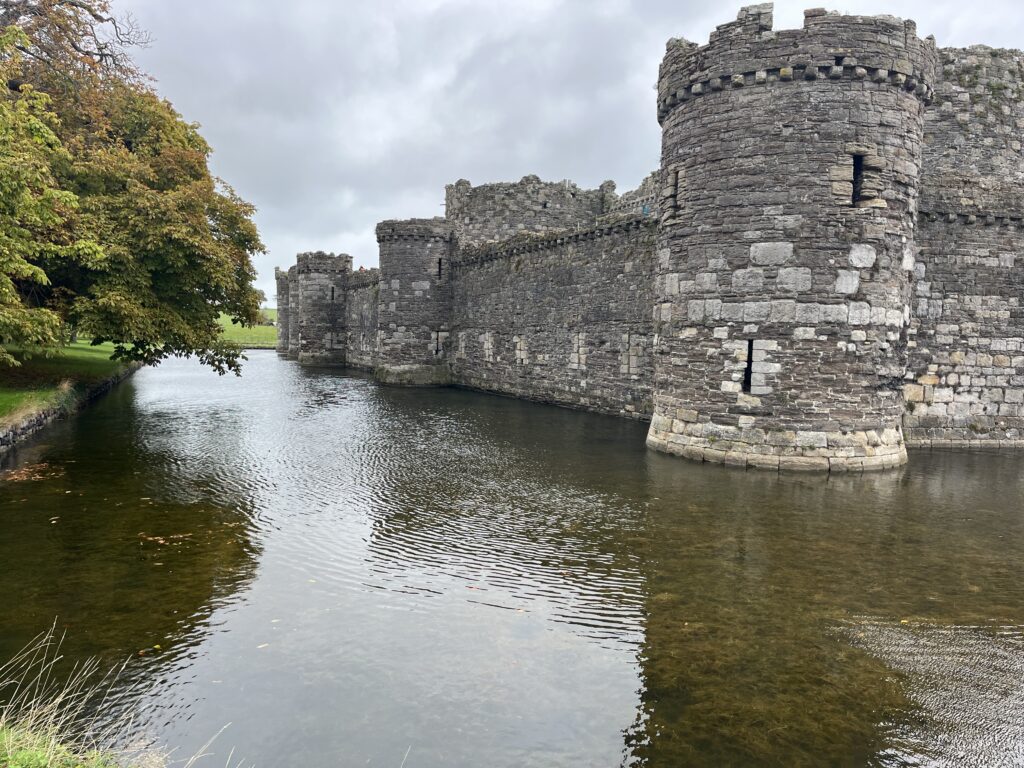
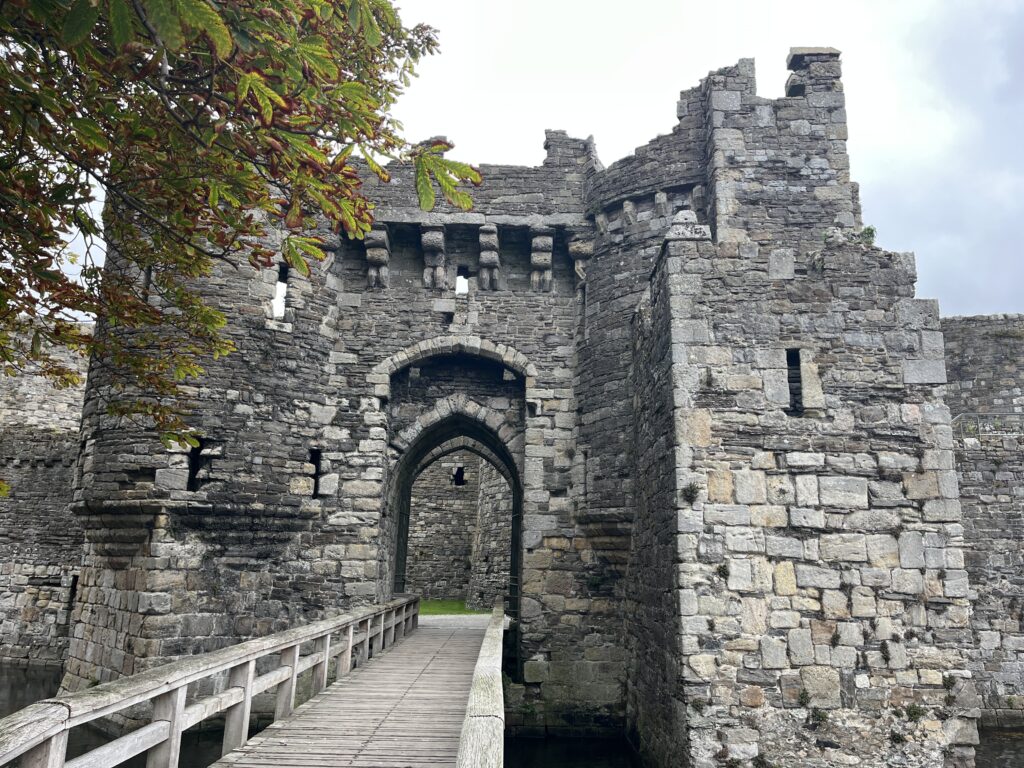
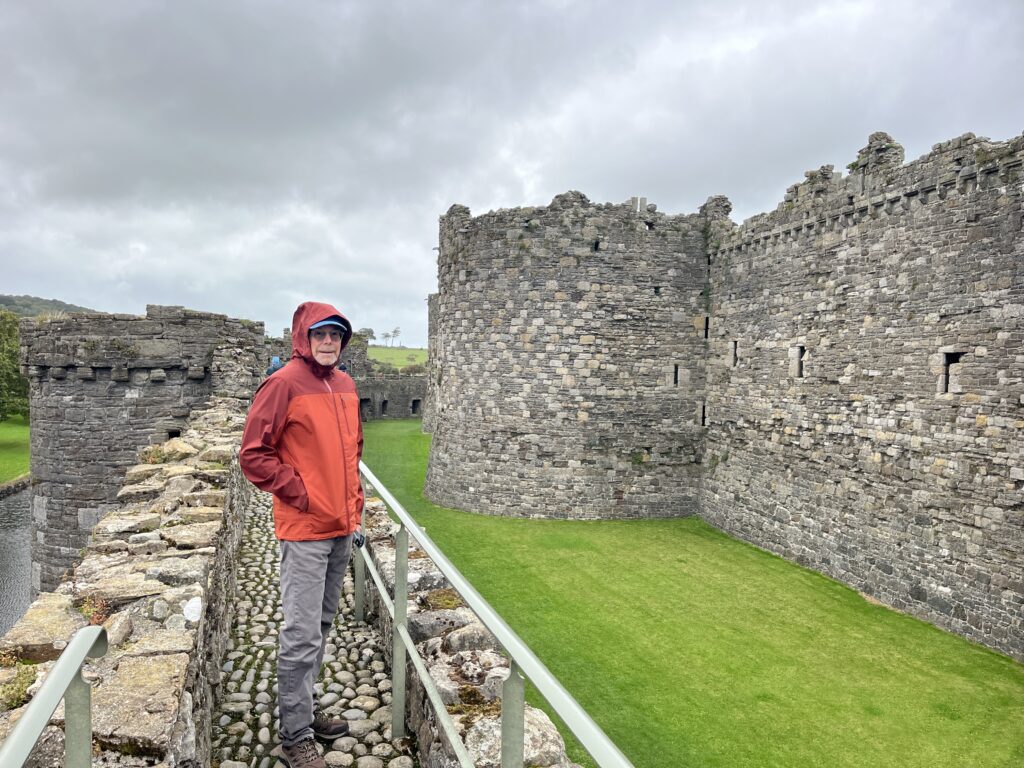
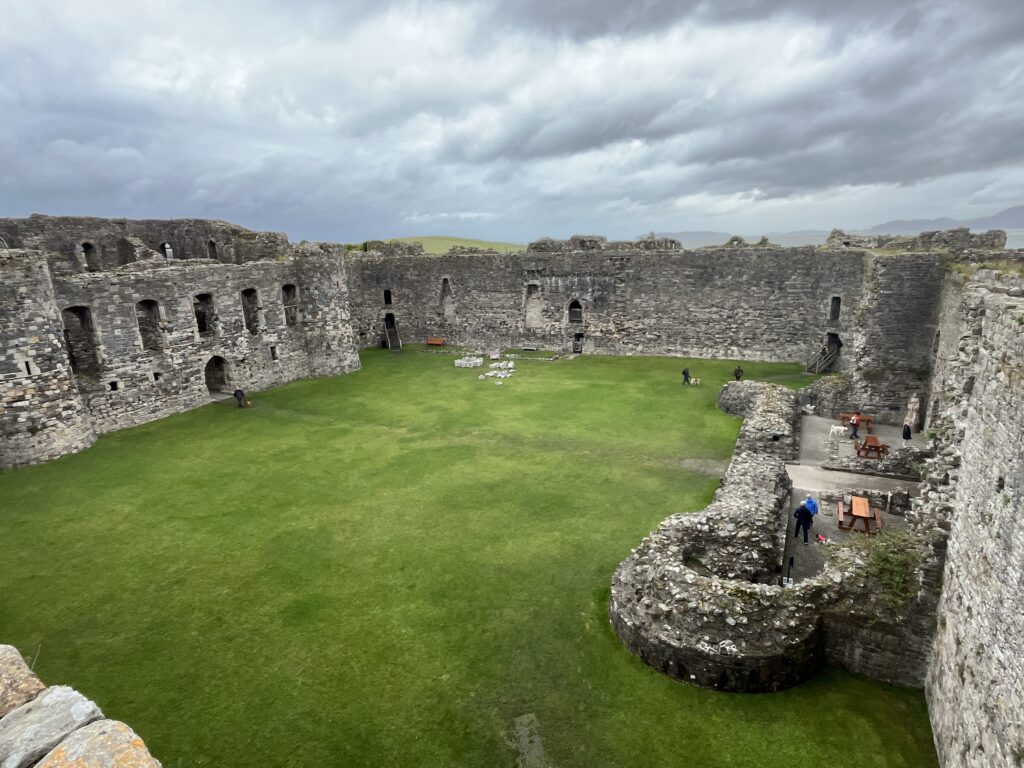
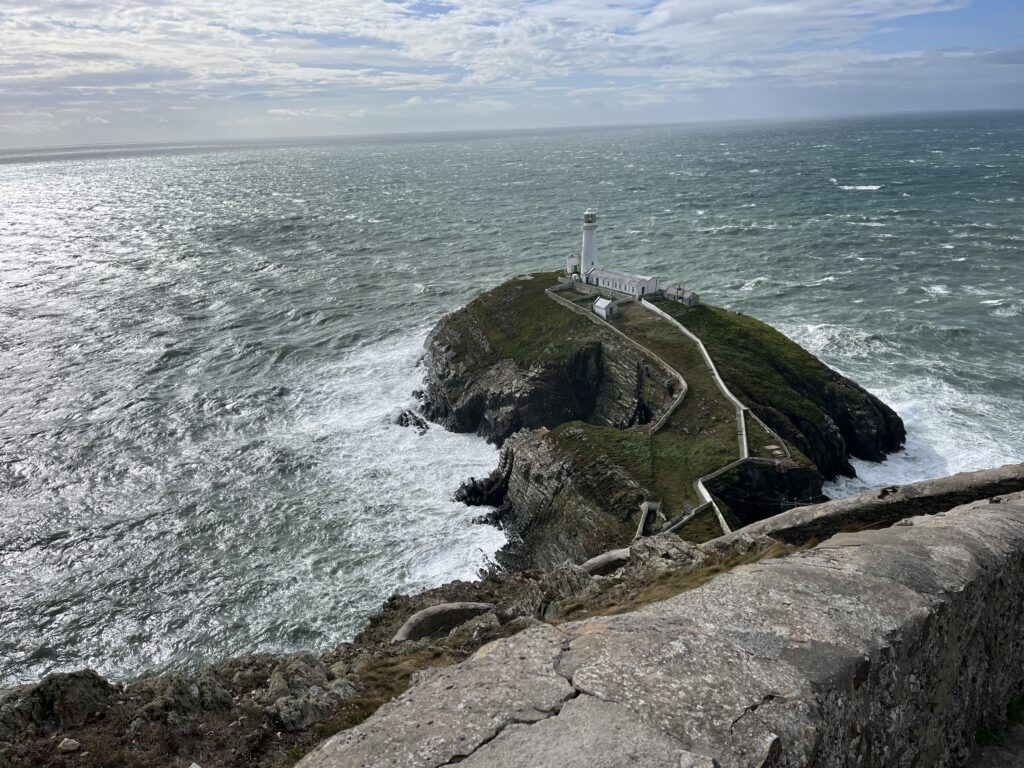
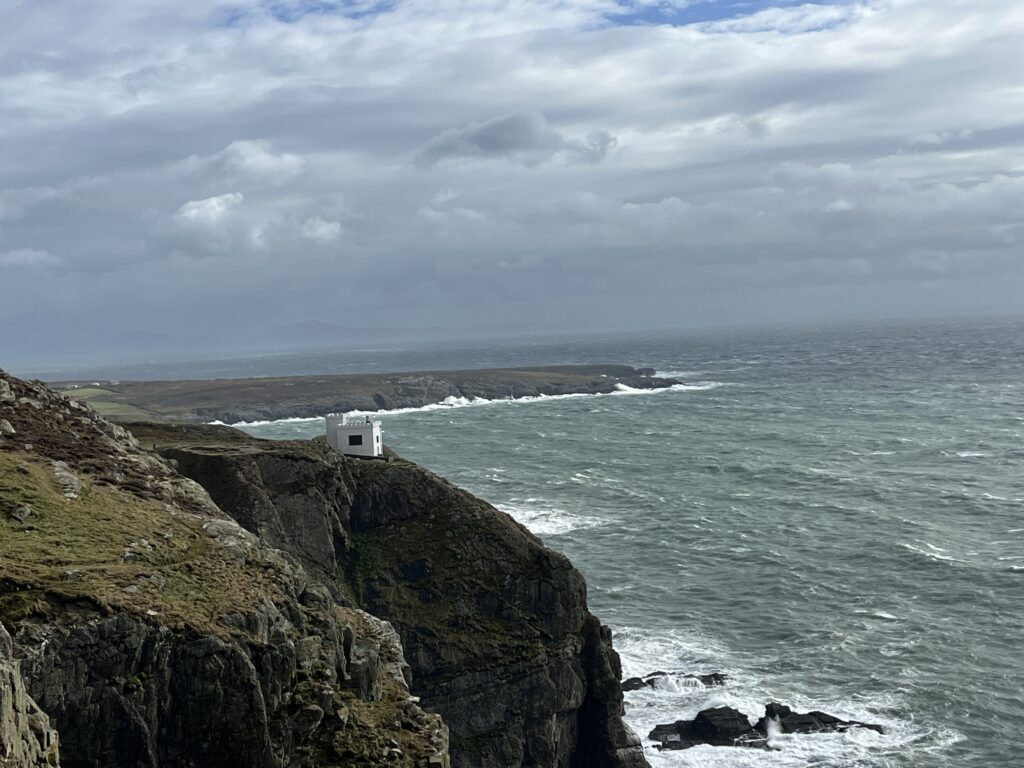
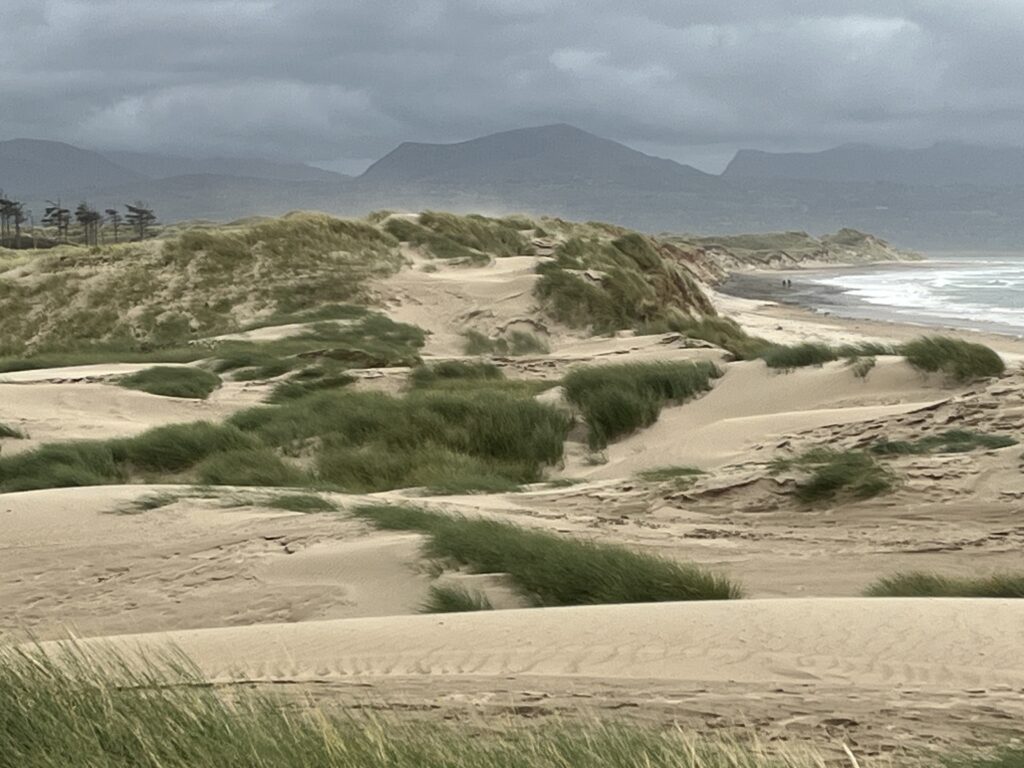
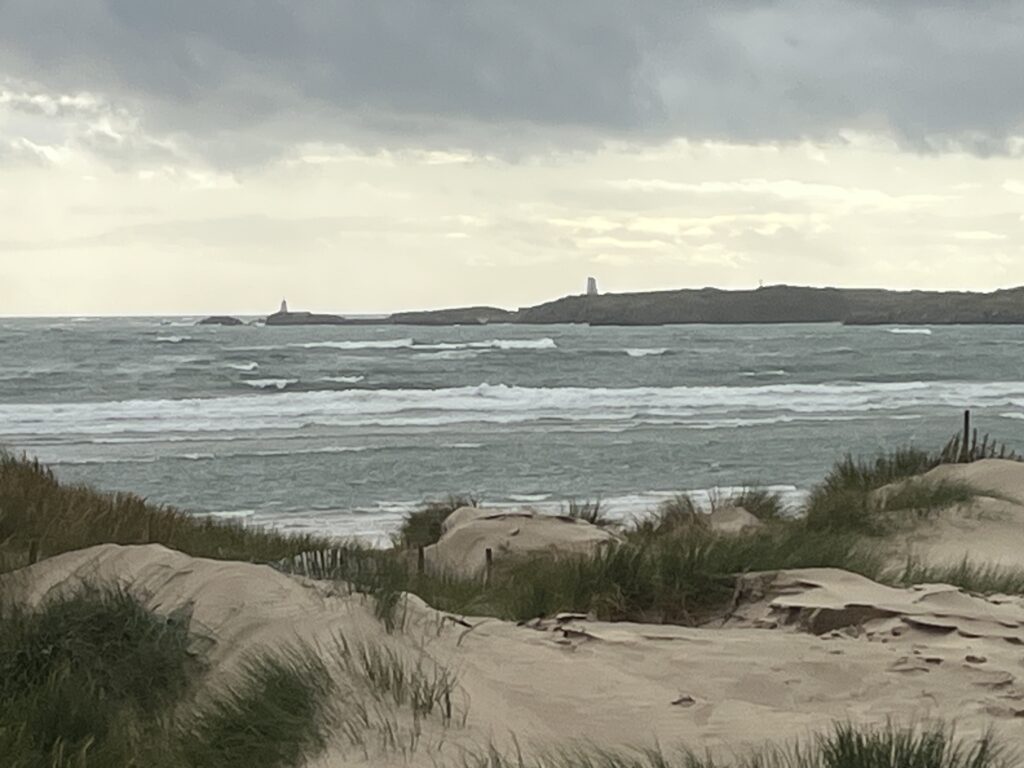
Upon arrival in Llanberis, we took The Snowden Mountain Railway to get to the summit of Snowden – the highest peak in England and Wales. Although the ride was great fun, it was terminated before we got to the top due to high winds and heavy rain. A bit disappointing, but poop happens. The next day, we toured the Isle of Anglesey. Even though the high winds and rain continued, it was awesome. Between Beaumaris Castle, South Stack Point, Llanddwyn, and the drive between them we saw incredible natural beauty and manmade constructs. Beaumaris Castle was built in the late 1200’s by King Edward I to in his effort to conquer north Wales. He ran out of money before it was finished, and while some work was done on over the next couple of centuries, it was never fully completed.
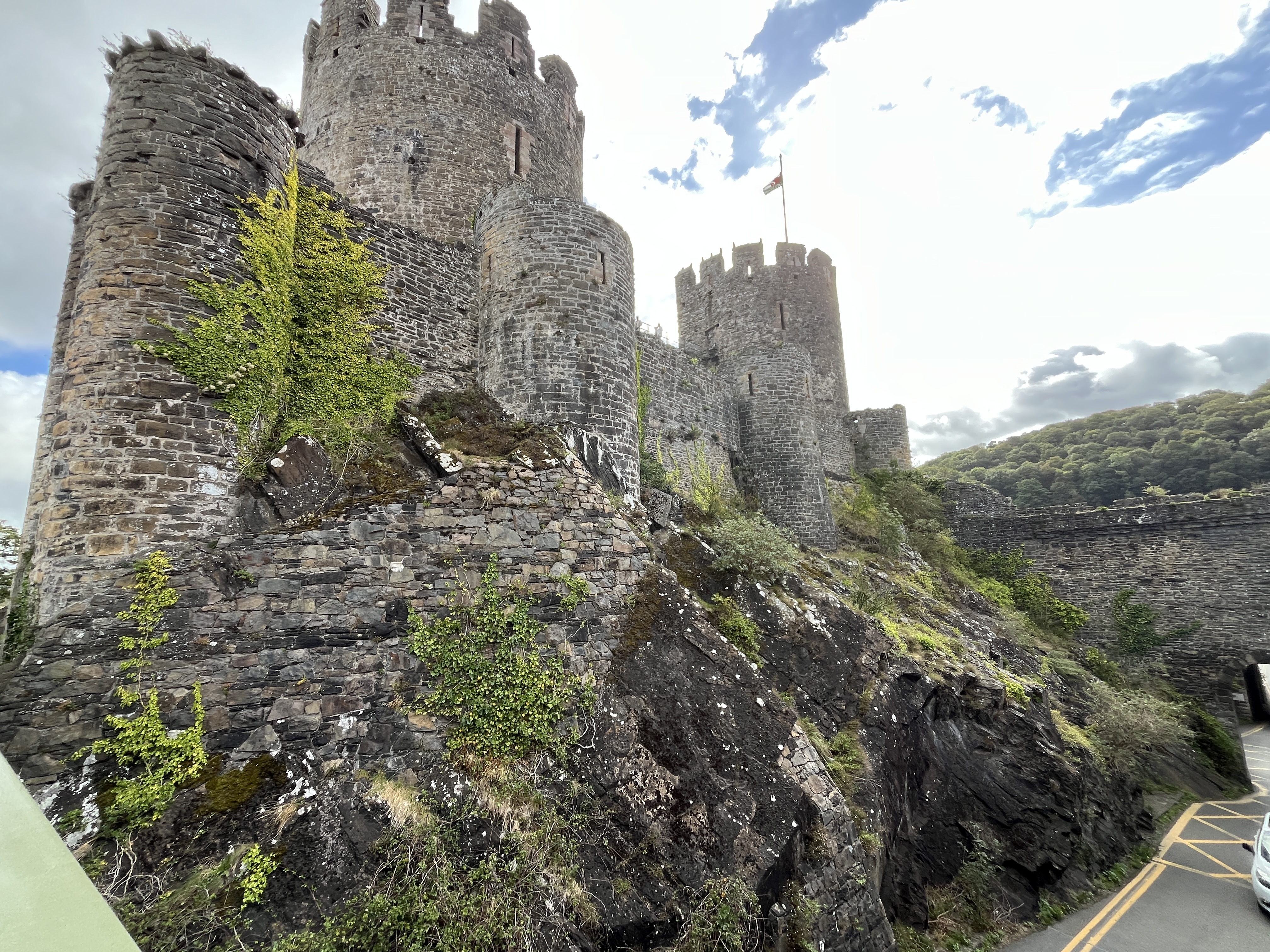
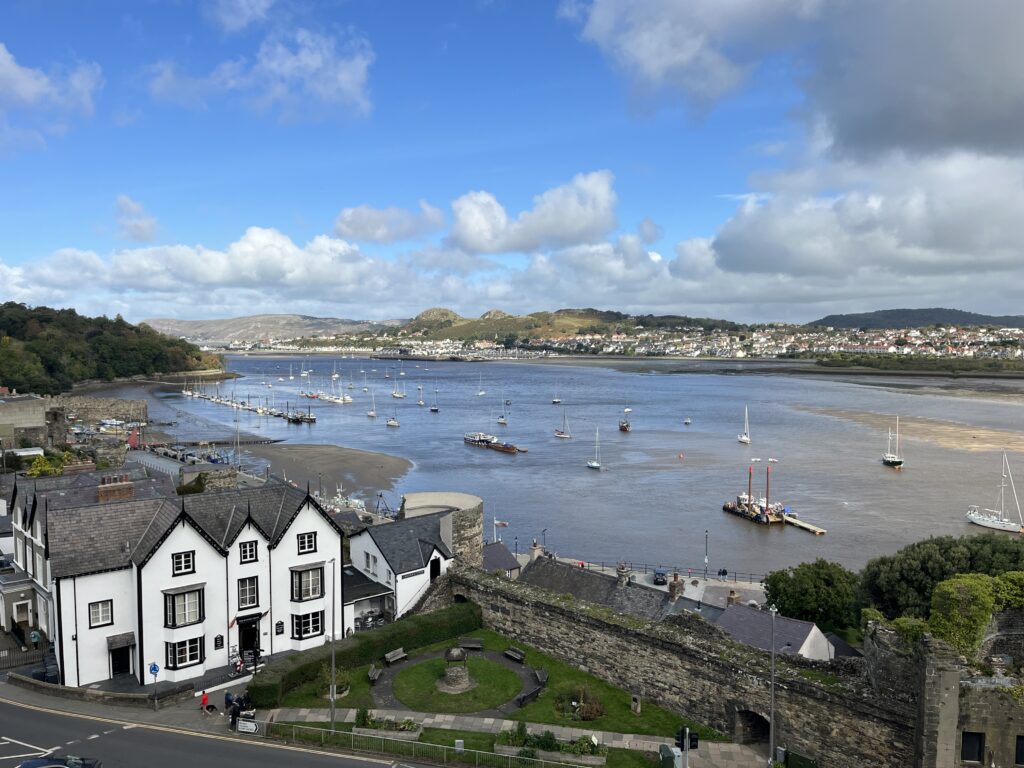
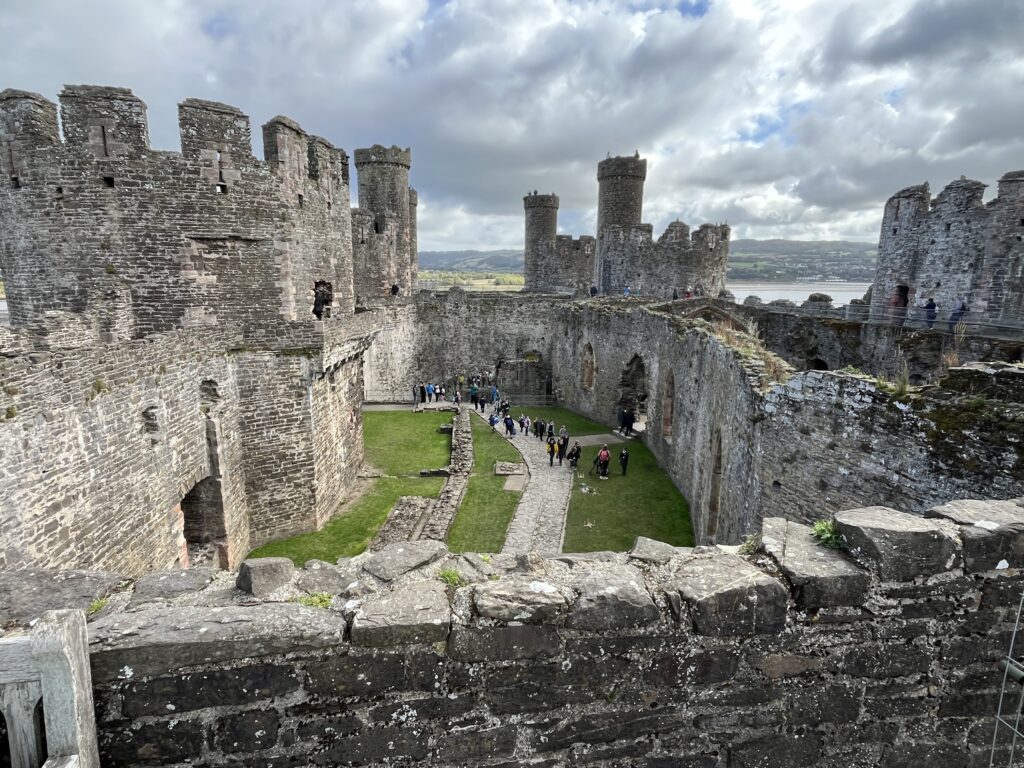
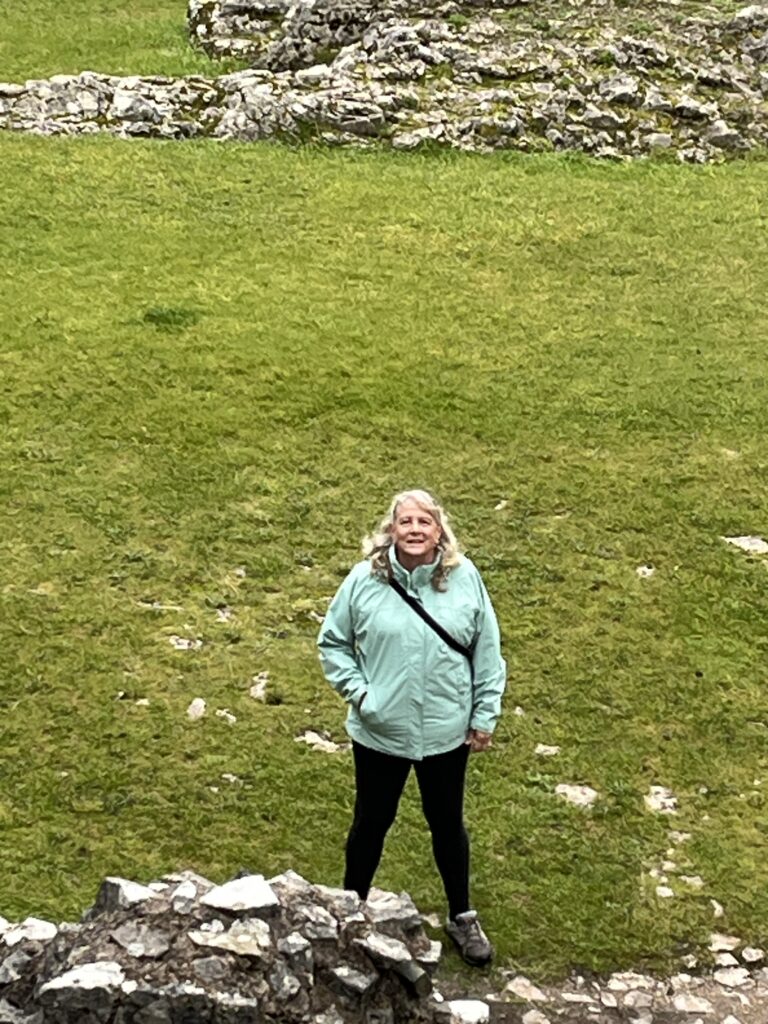
A day later we toured the Conwy Castle, which was also built by Edward I in the same time period and by the same architect. It was larger than Beaumaris, and even more elaborate. Ultimately, both castles fell into disrepair and were turned into tourist attractions. However, they must have been impressive when they were fully occupied.
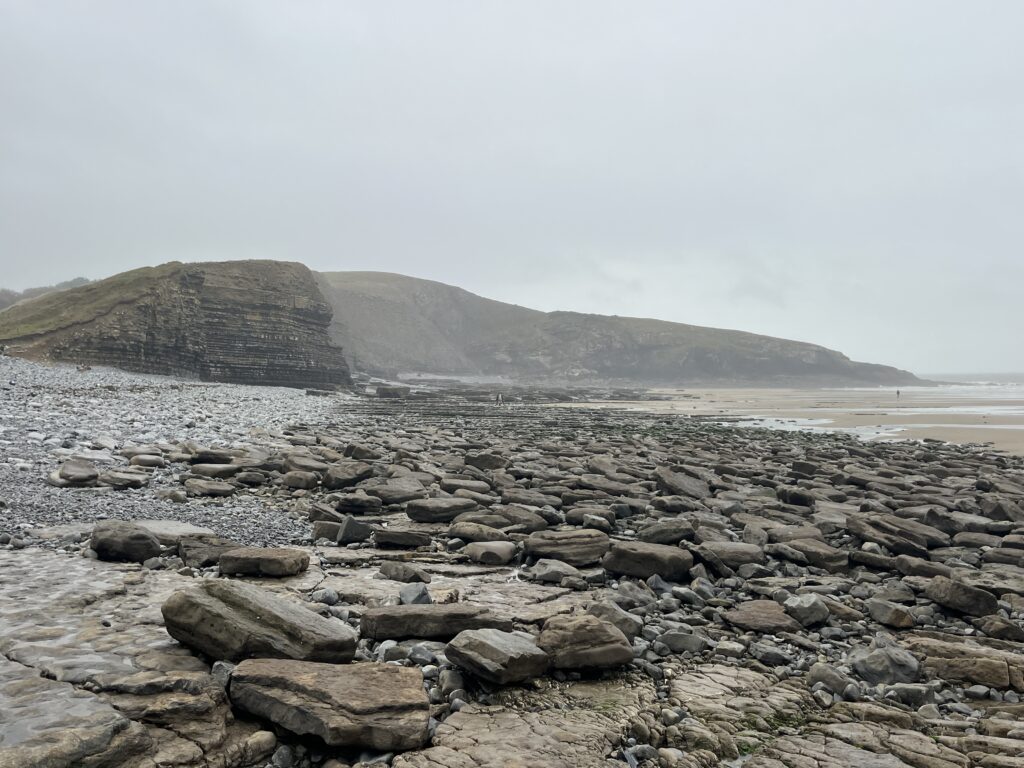
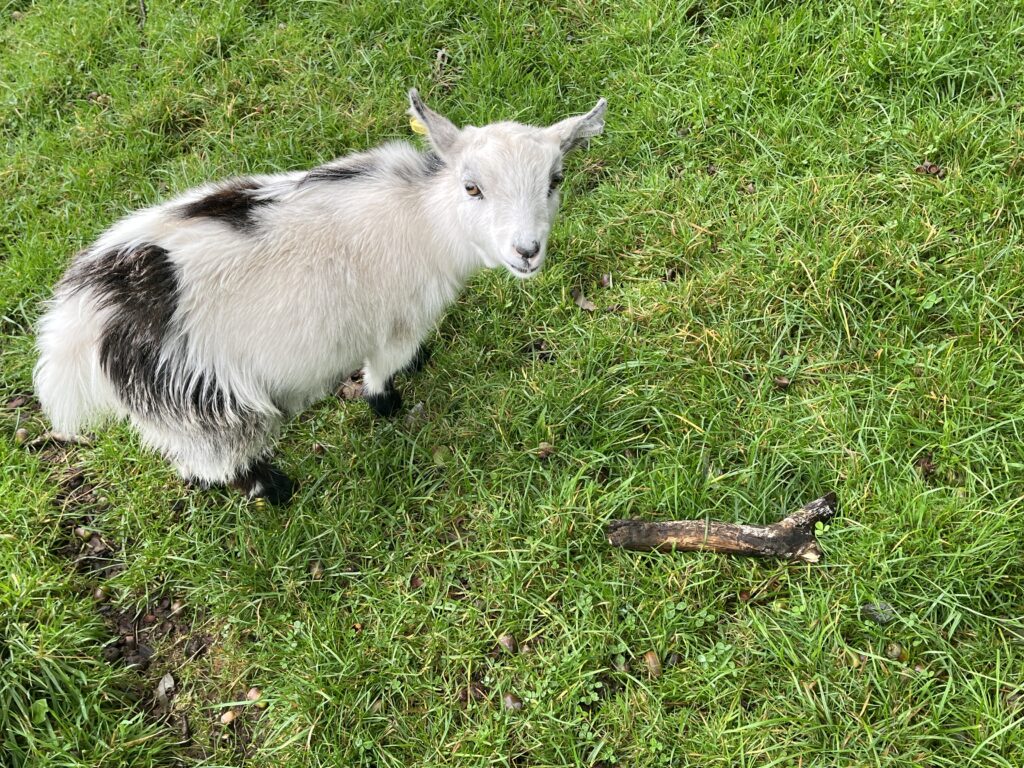
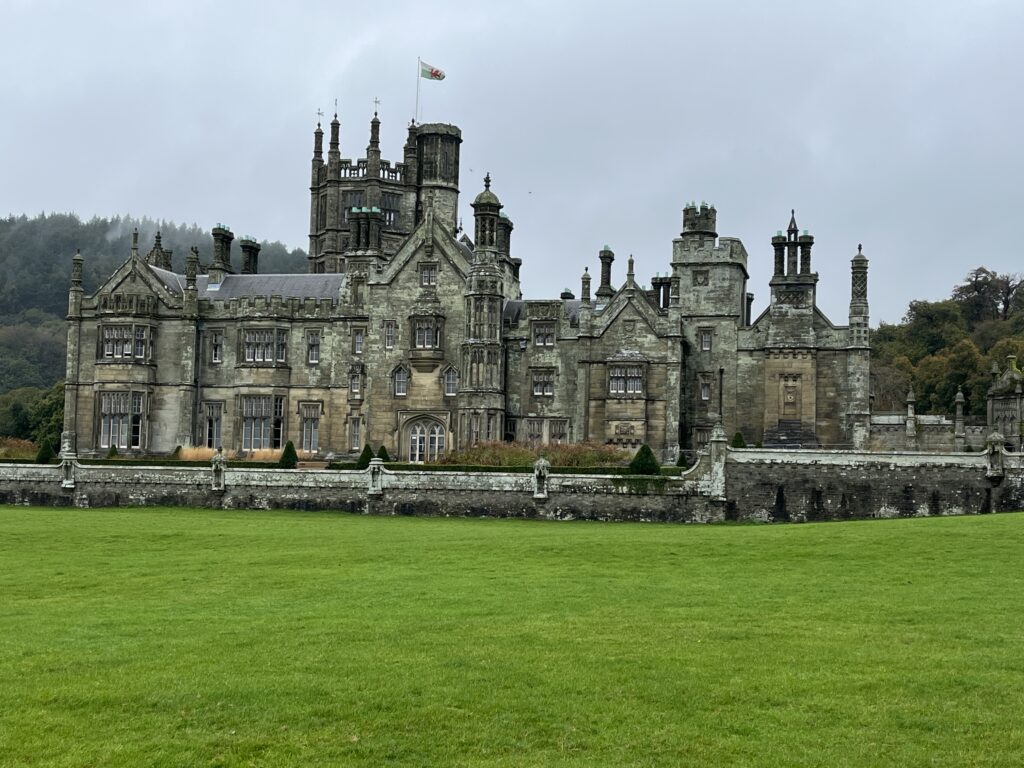
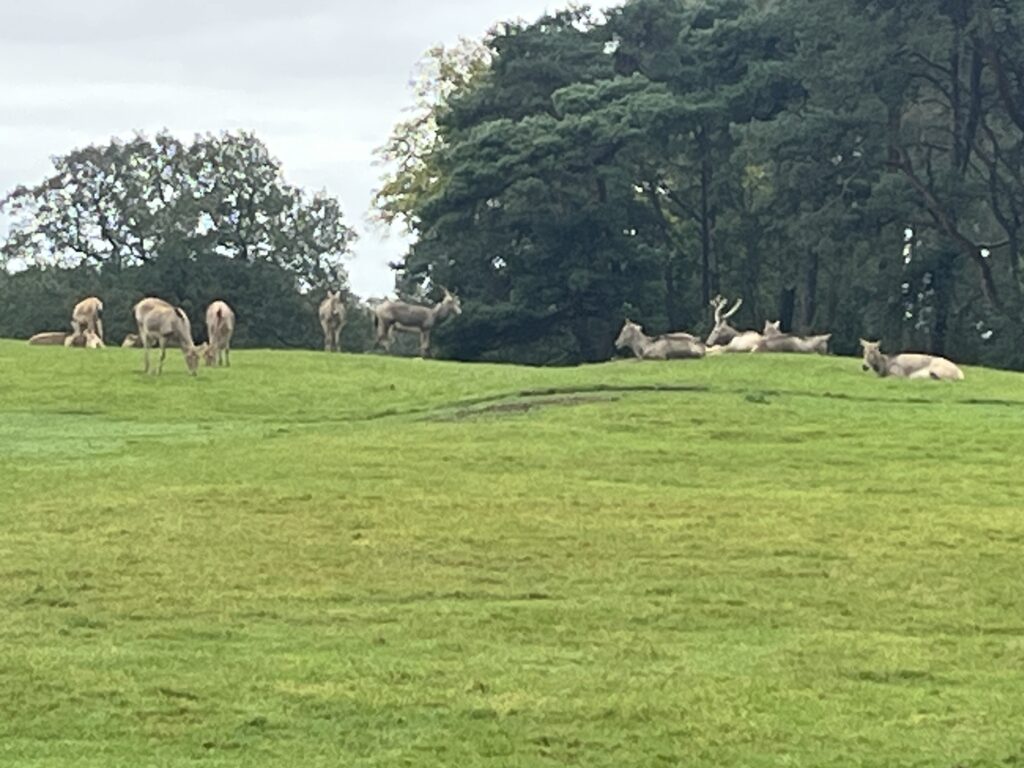
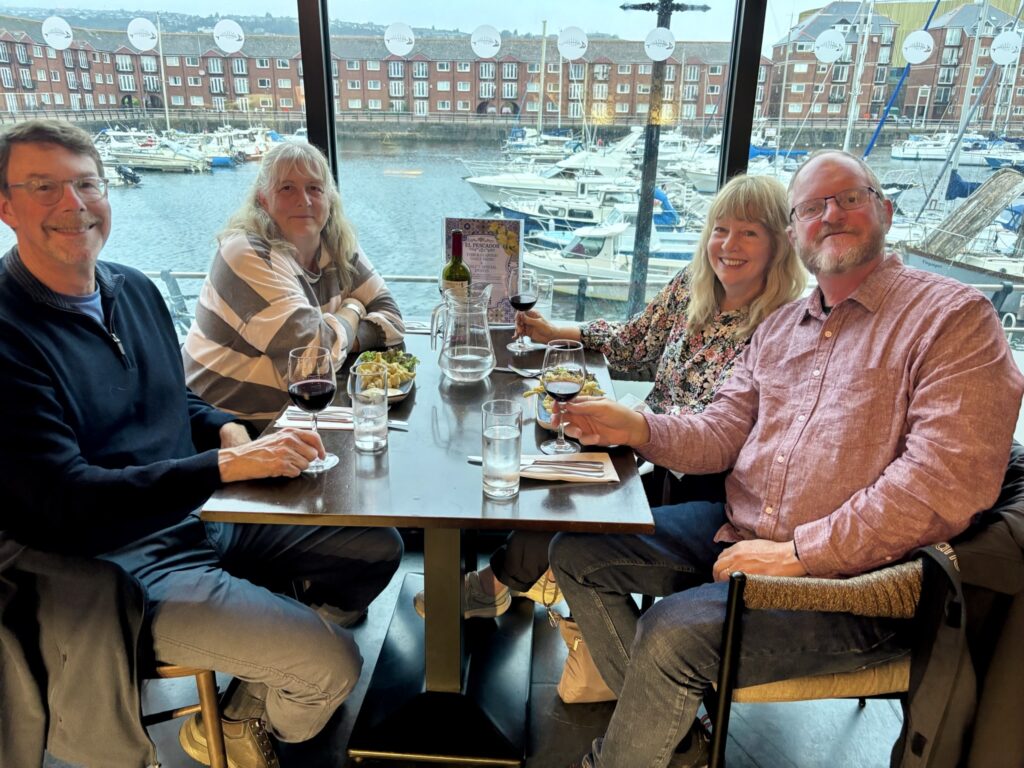
The Swansea/Mumbles area is at the southern coast of Wales and is a major summer vacation area for the British and Continentals. It has great coastlines, cool interesting towns, and beautiful parks. A trip along the southern coast included exploration of the unusual rock formations and beaches of Dunraven Bay, as well as hiking through the grounds, zoo, deer herd, and Castle of Margam. As it turns out, Margam Castle isn’t a castle at all. It’s a gigantic and remarkable mansion built in the early 1800’s. Like many British mansions, it went into disuse when the builder’s descendants couldn’t afford the upkeep. It’s now run by the local county and is a part-time tourist attraction.
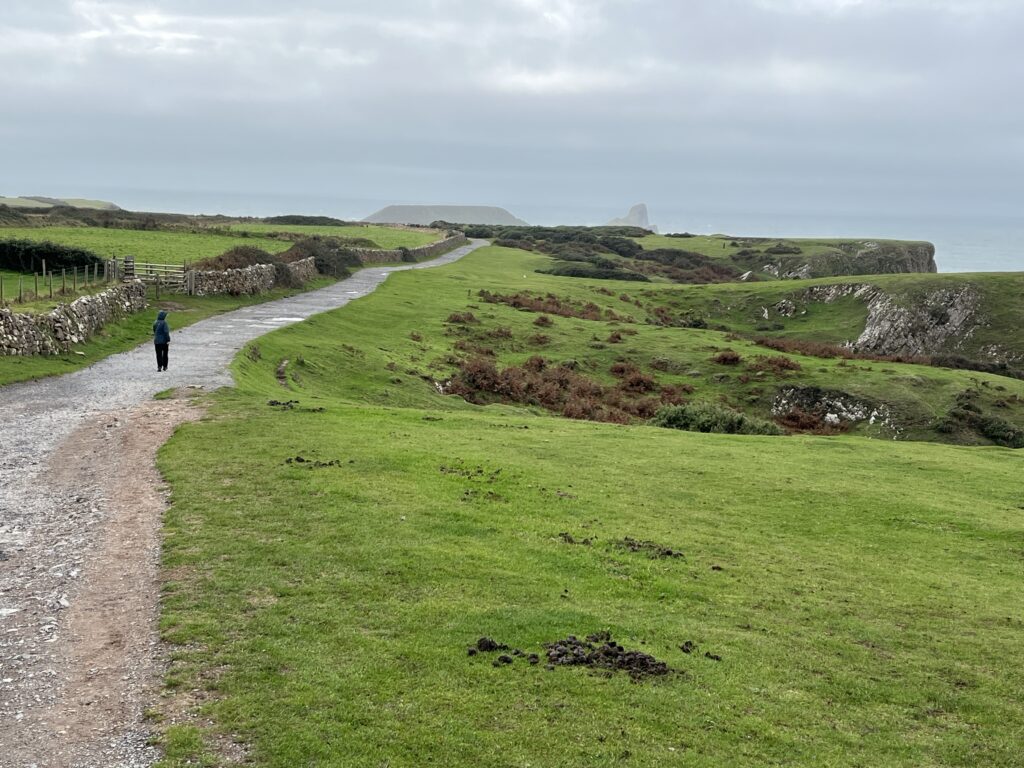
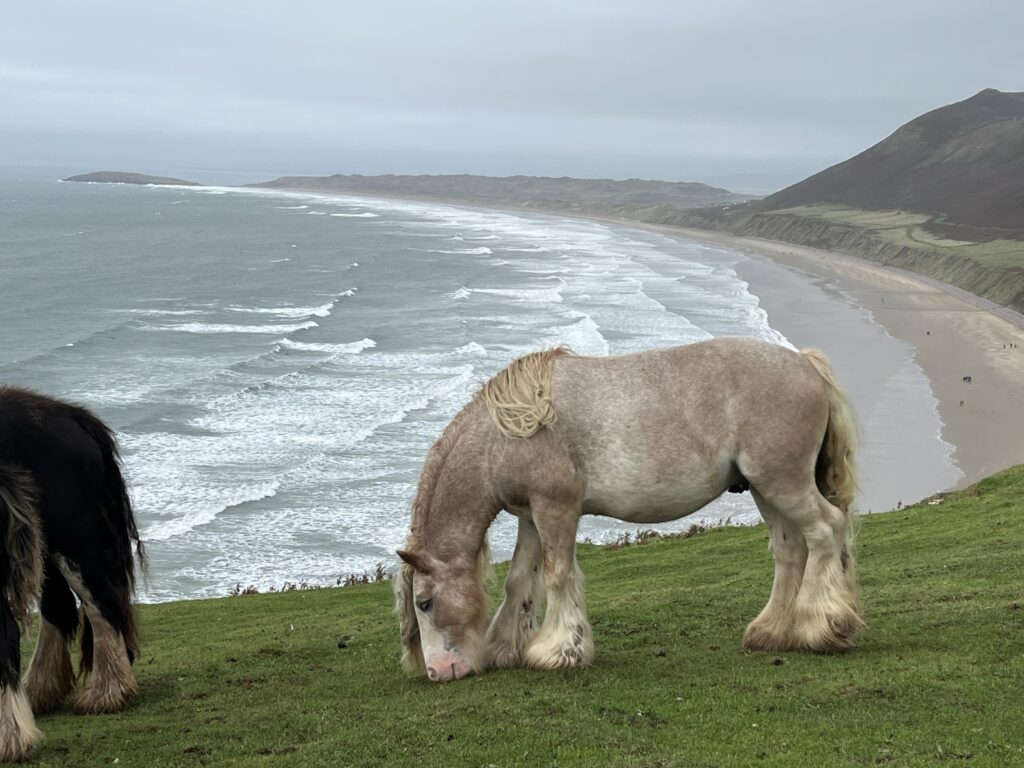
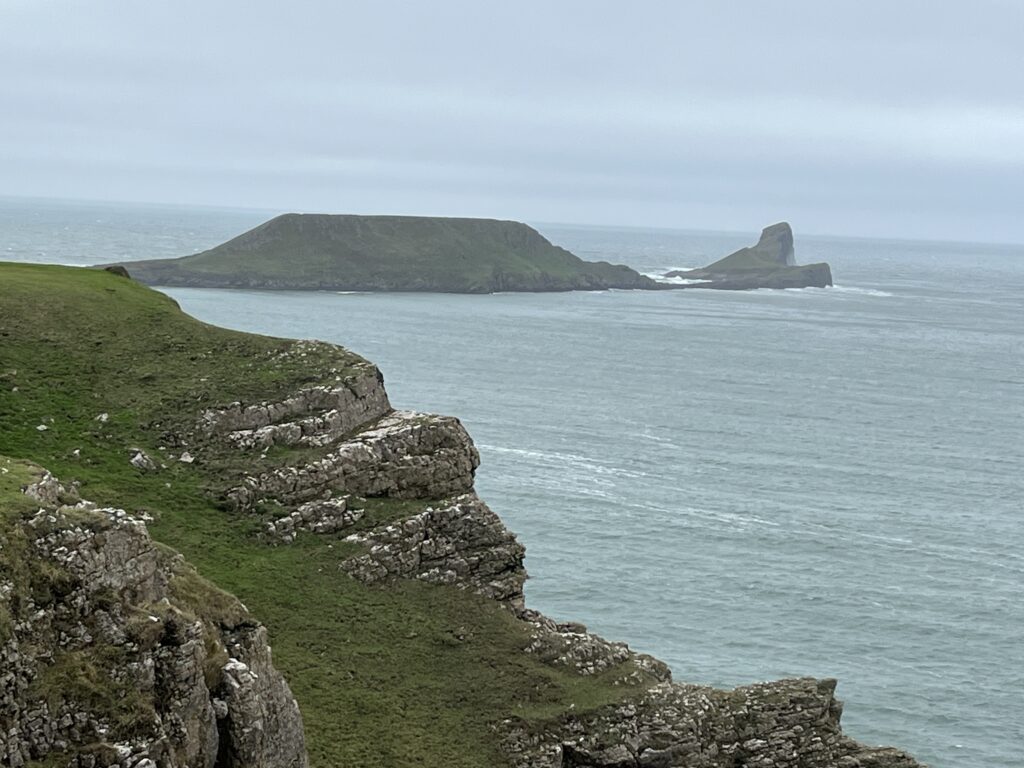
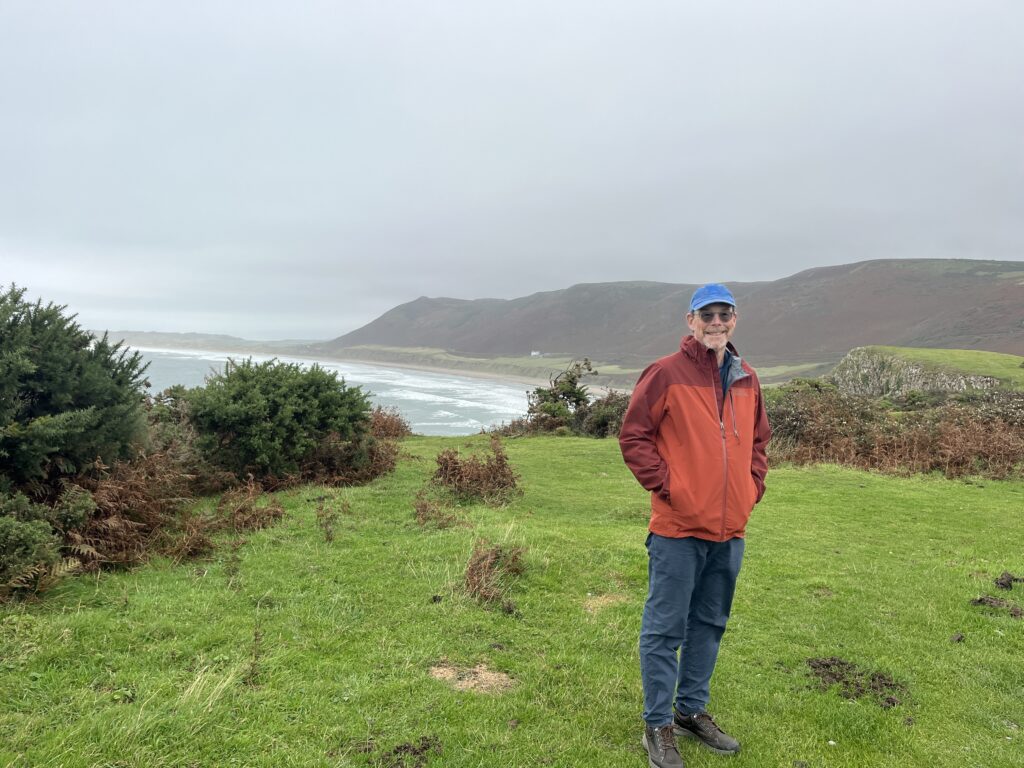
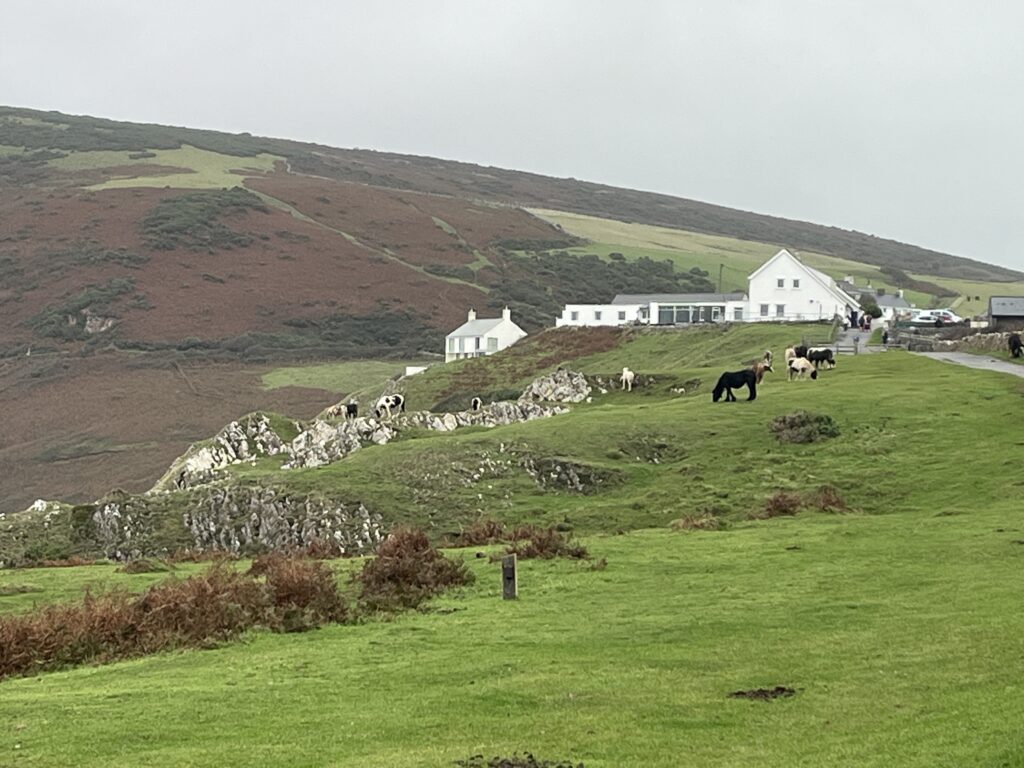
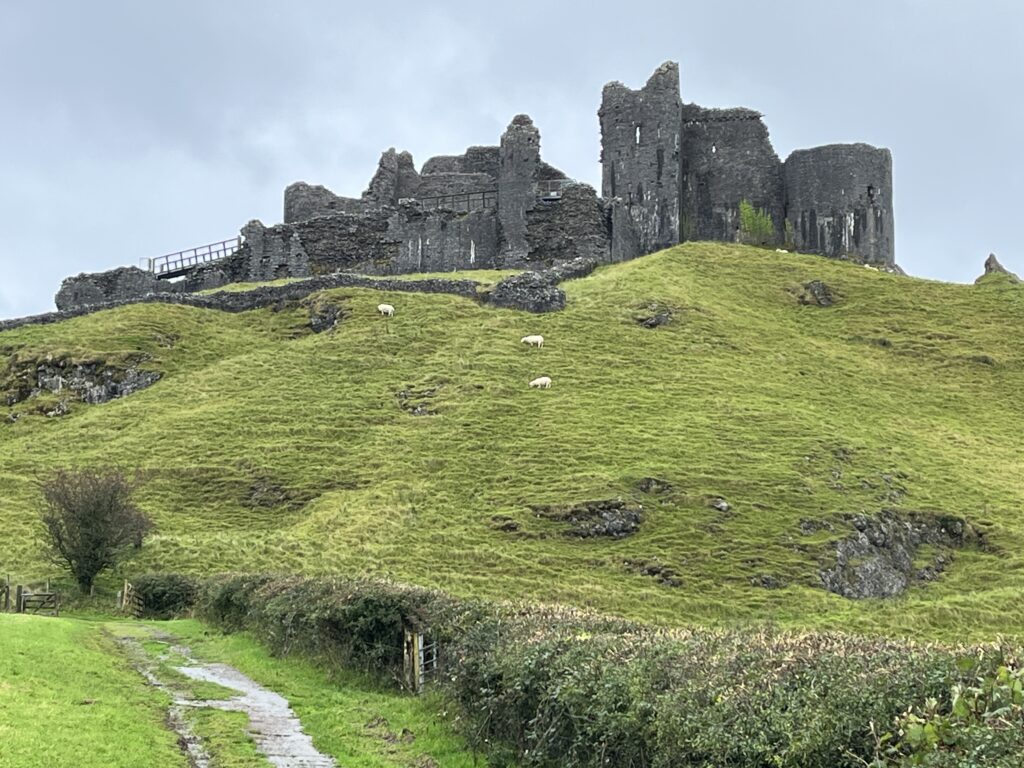
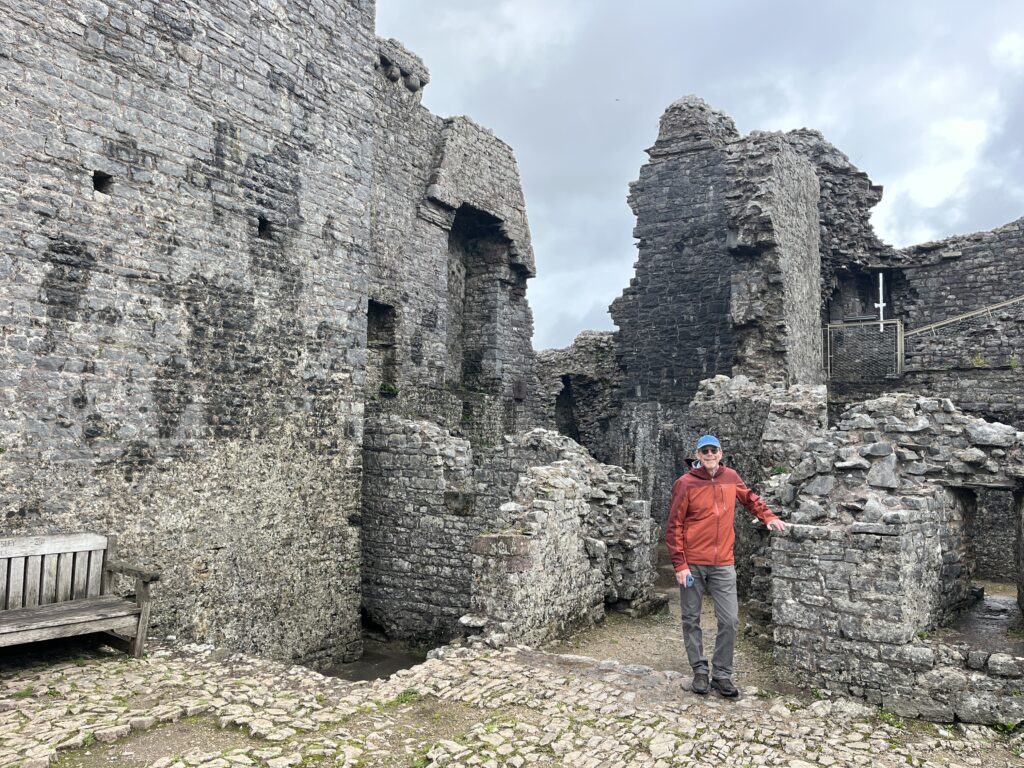
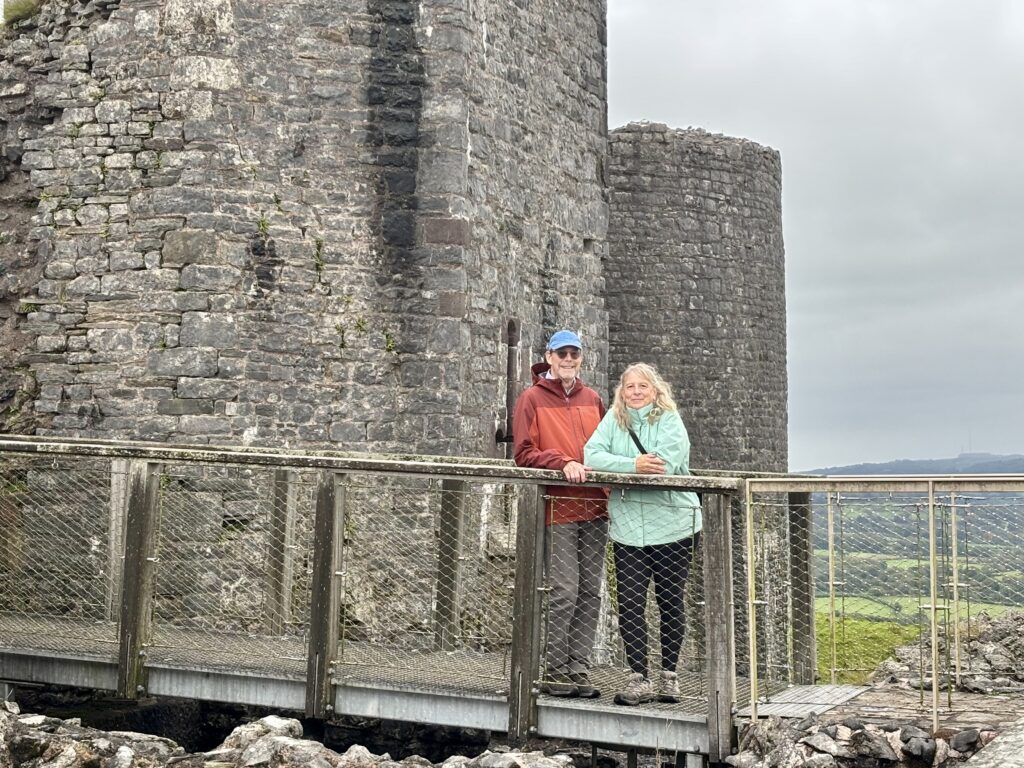
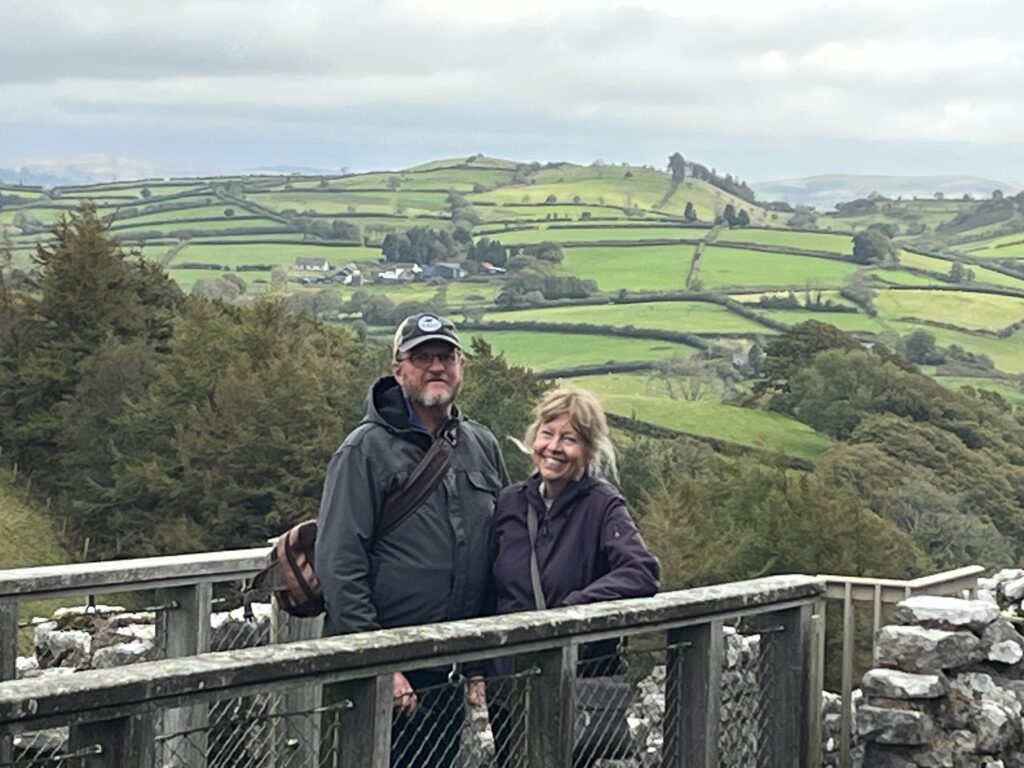
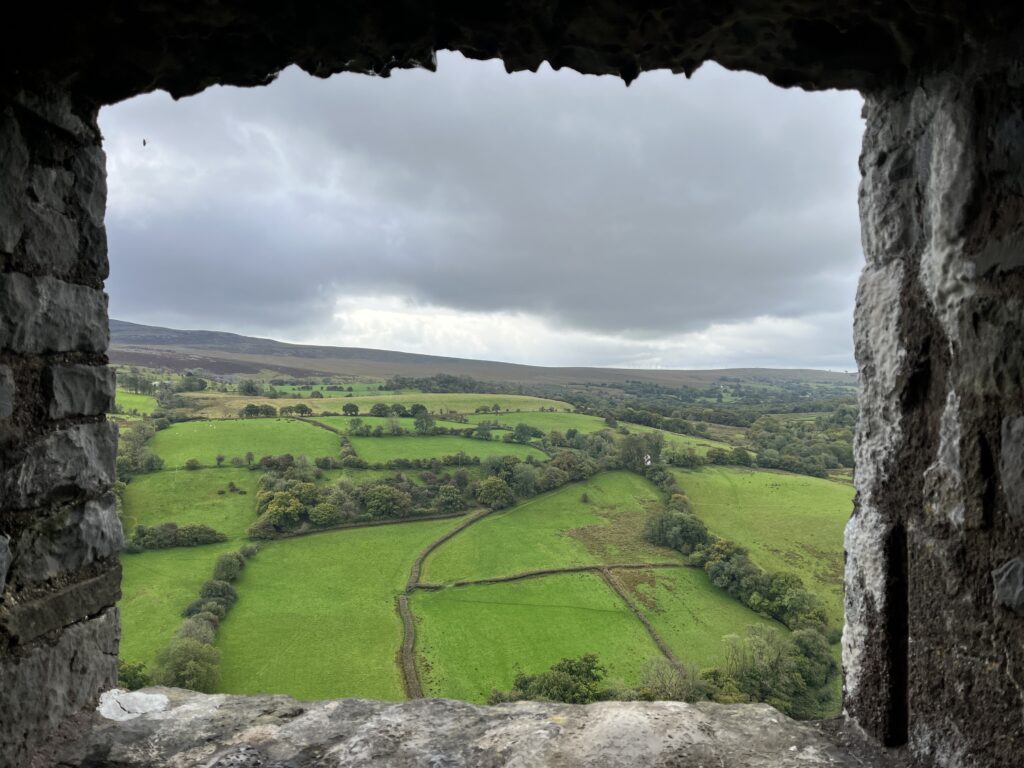
Other notable stops included Carreg Cennen Castle, Rhossilli, and Worms Head. The first impression of Carreg Castle is that it’s “way up in the air” – we literally saw it miles away and didn’t even realize that it was our destination. It was built in the early 1300’s, is smallish, and not in an obviously militarily-strategic location. It seemed to be more of a “Noble house with protection” as opposed to a “Protection that housed Nobles” of most other castles were toured. IAW, more residence than fort. Worms Head is the iconic peninsula that sticks out into the Bristol Channel from Swansea. Rhossilli is the small village that sits at the foot of it. All the views were breath-taking.