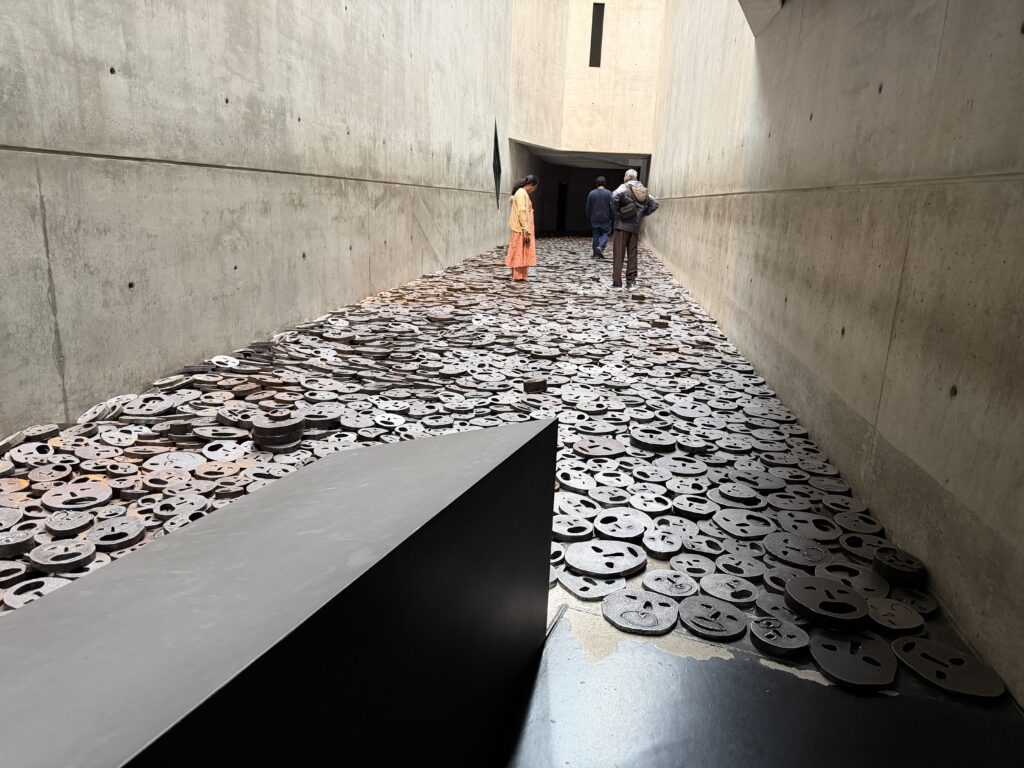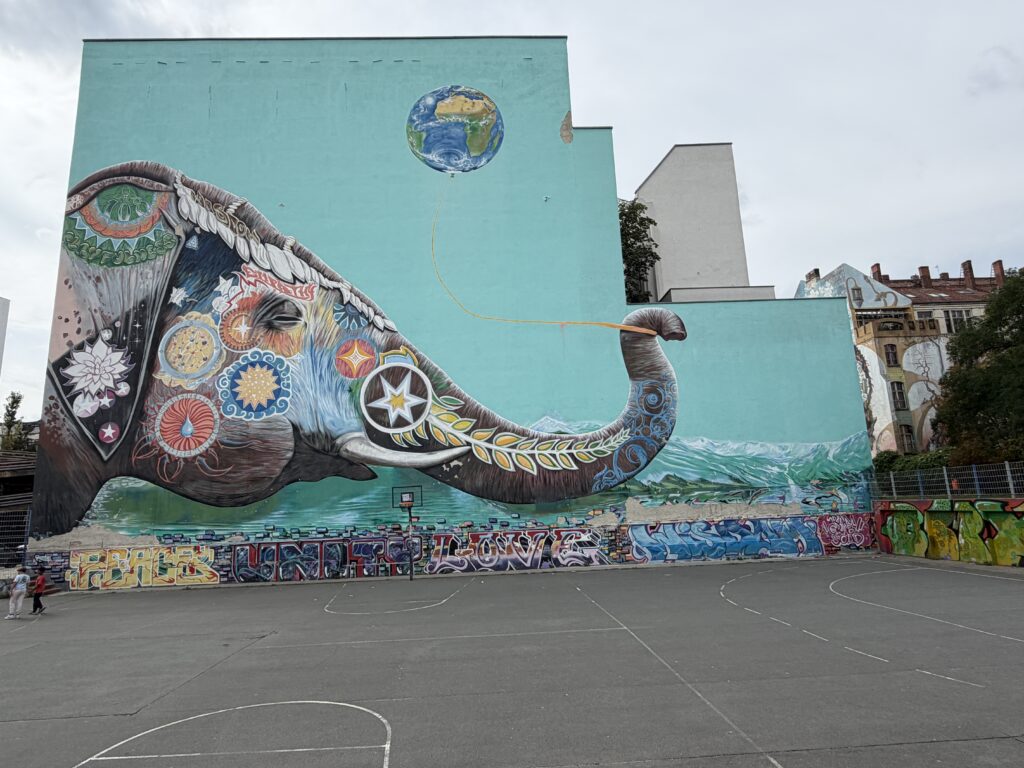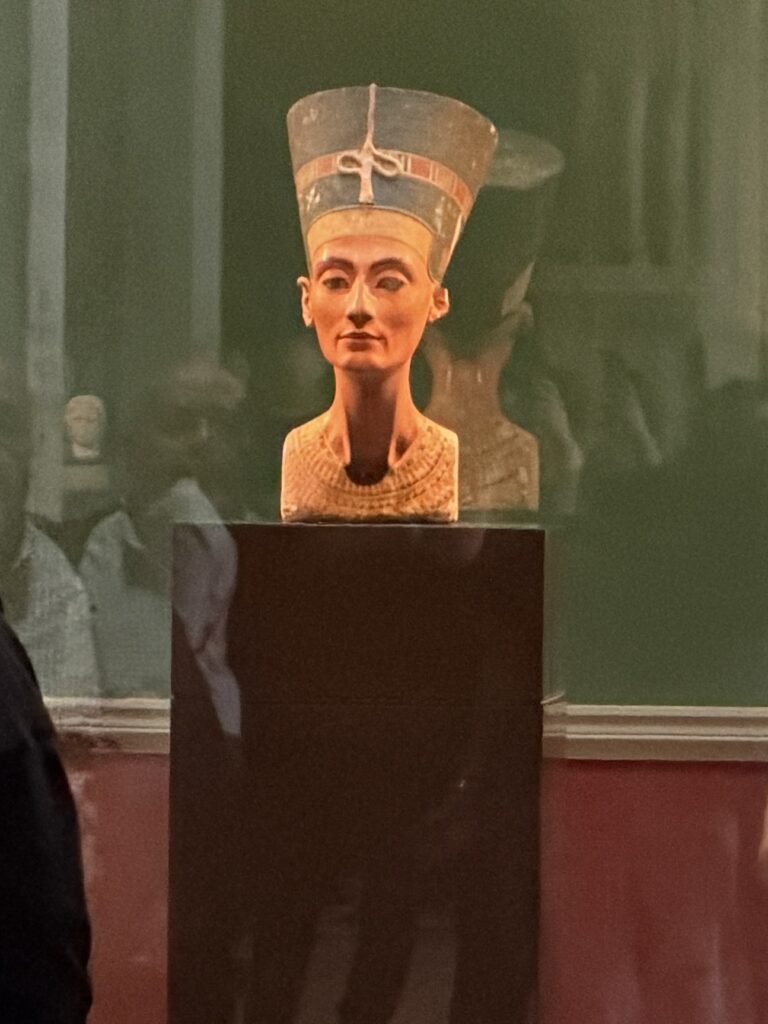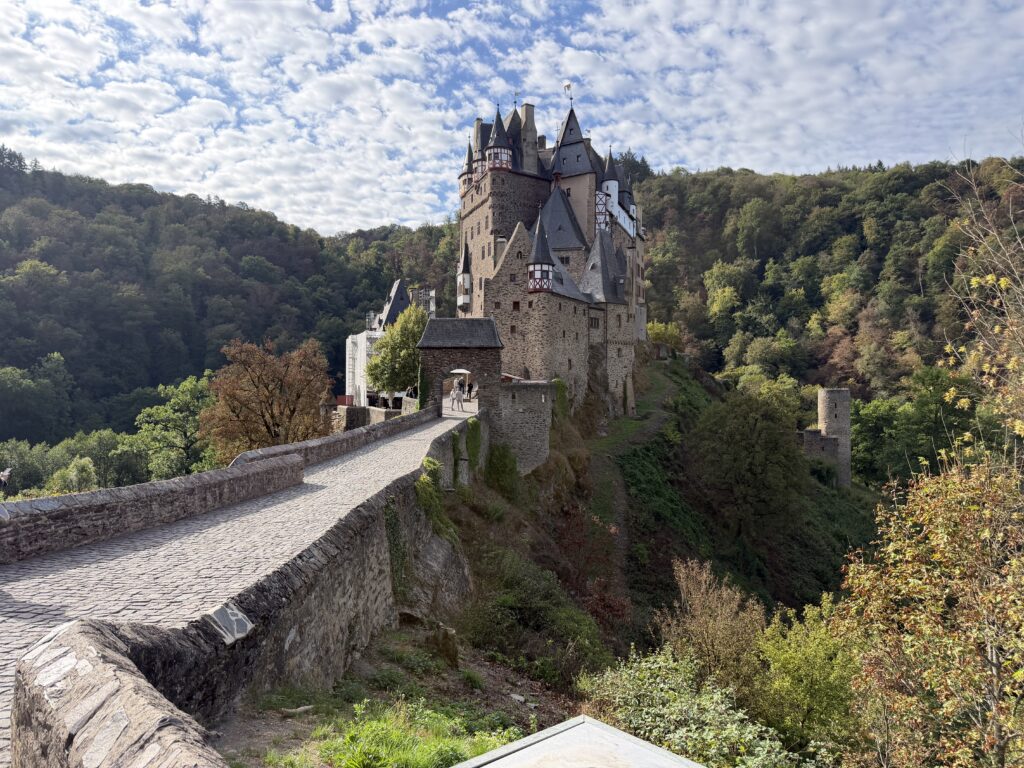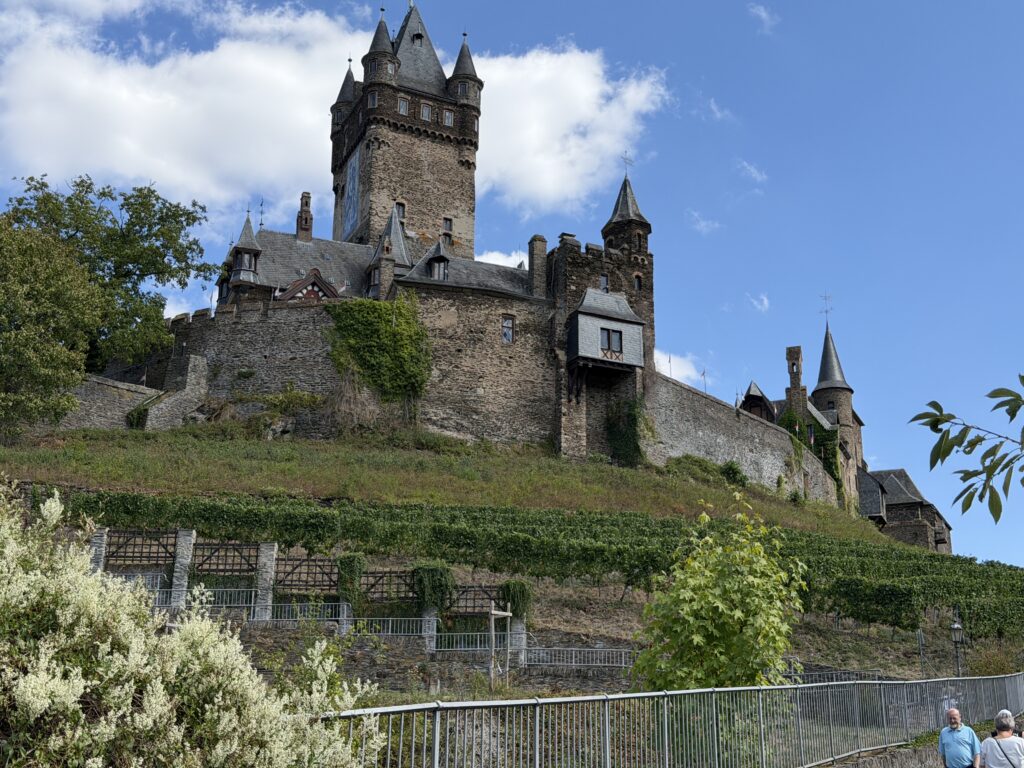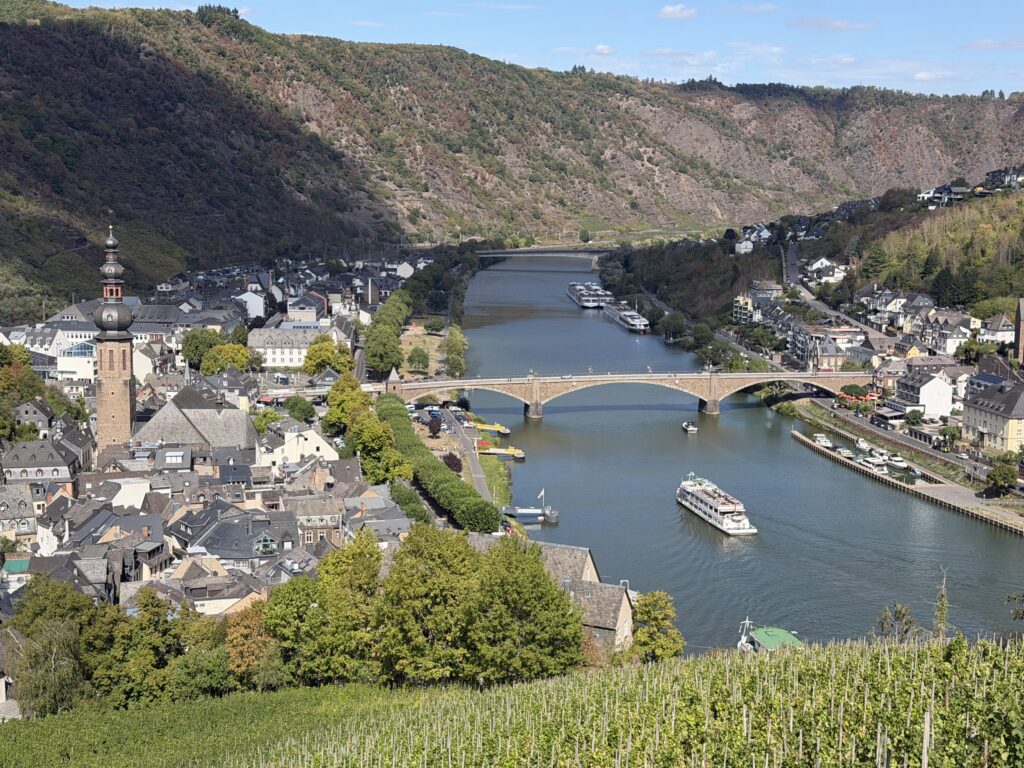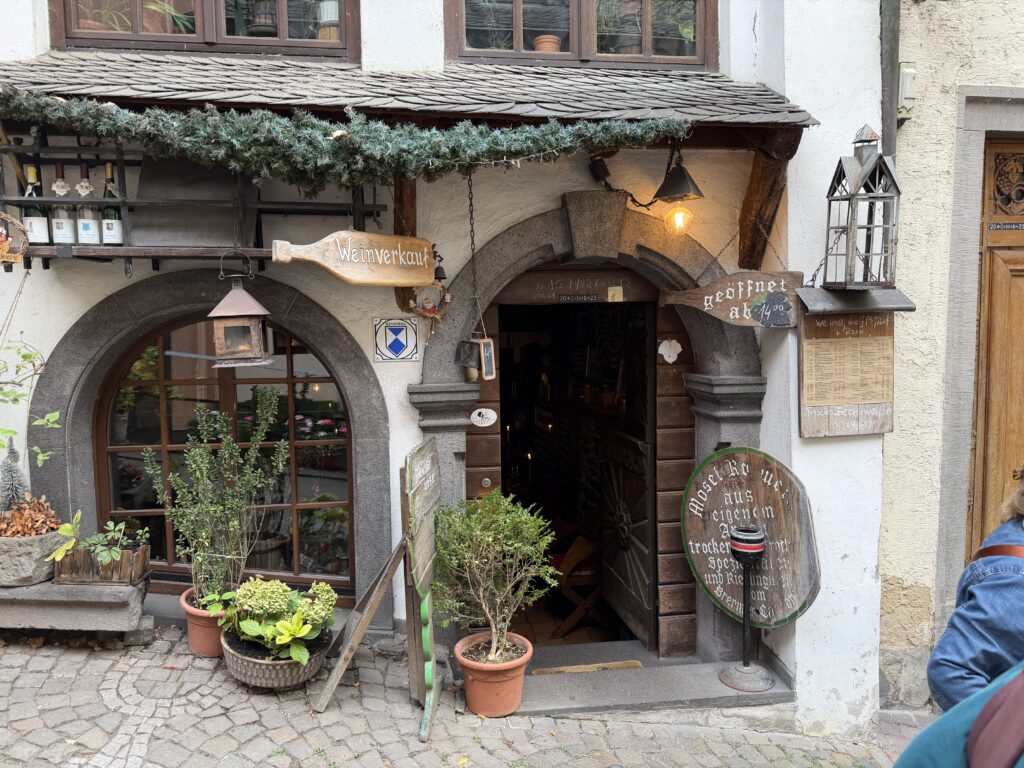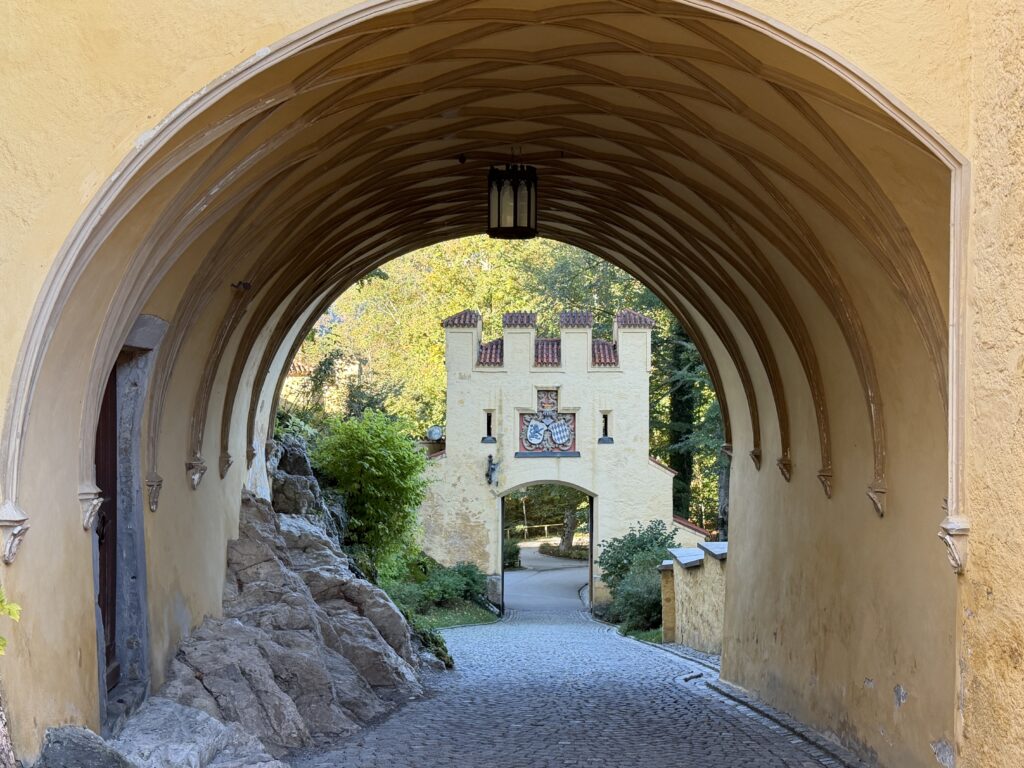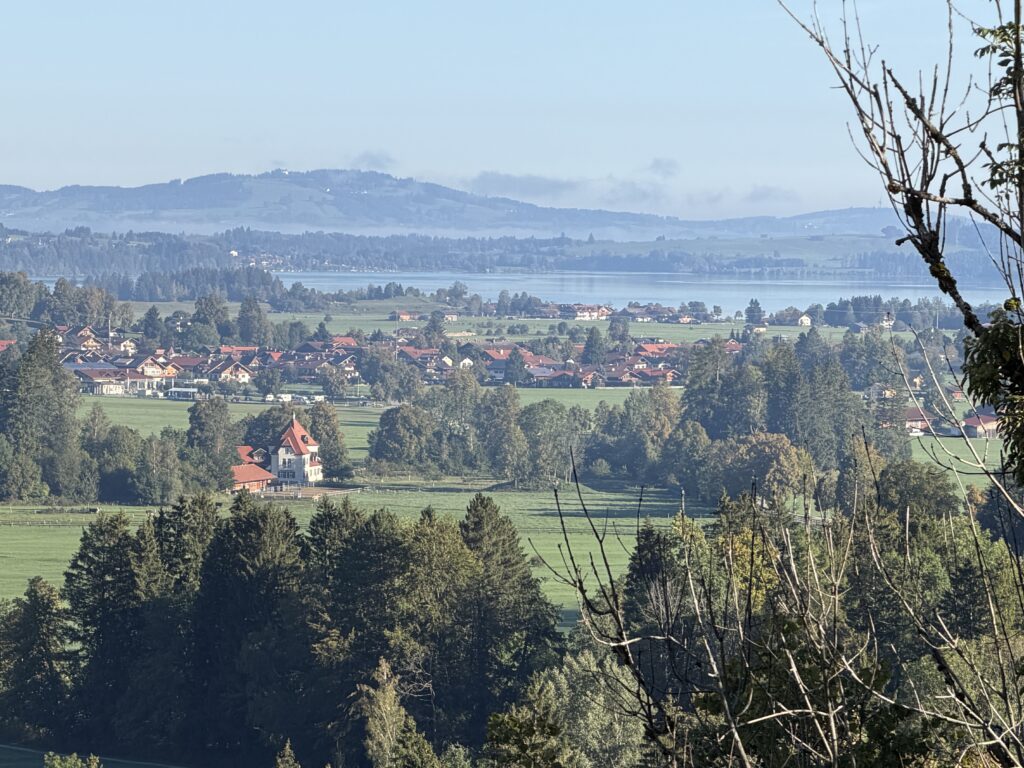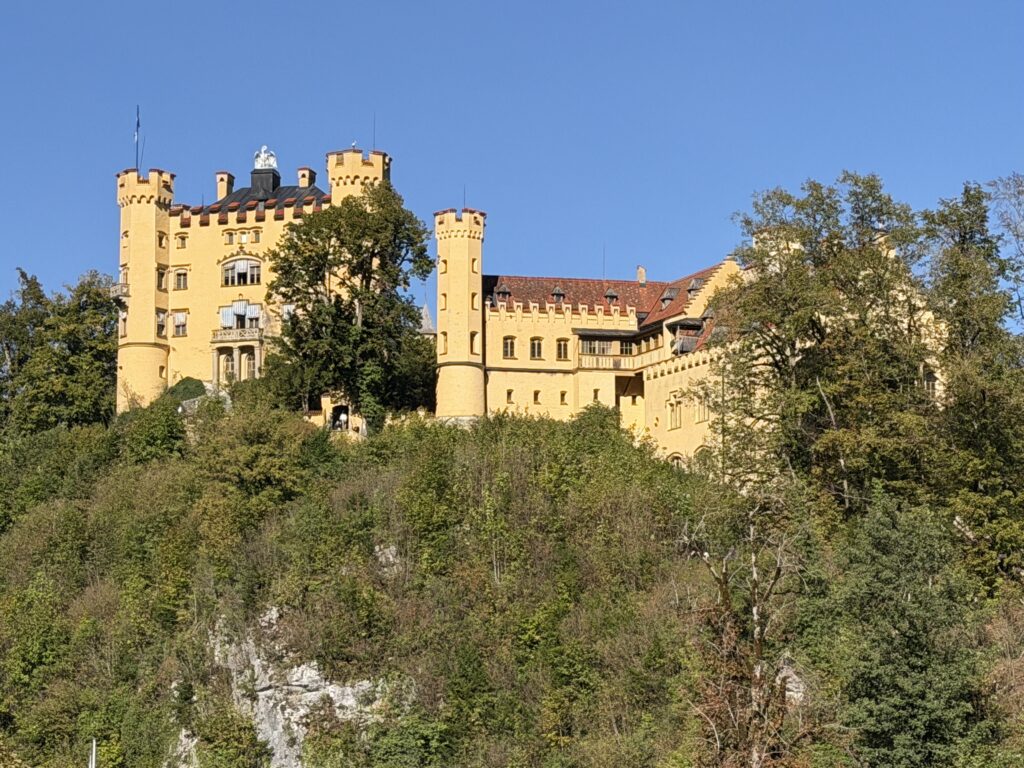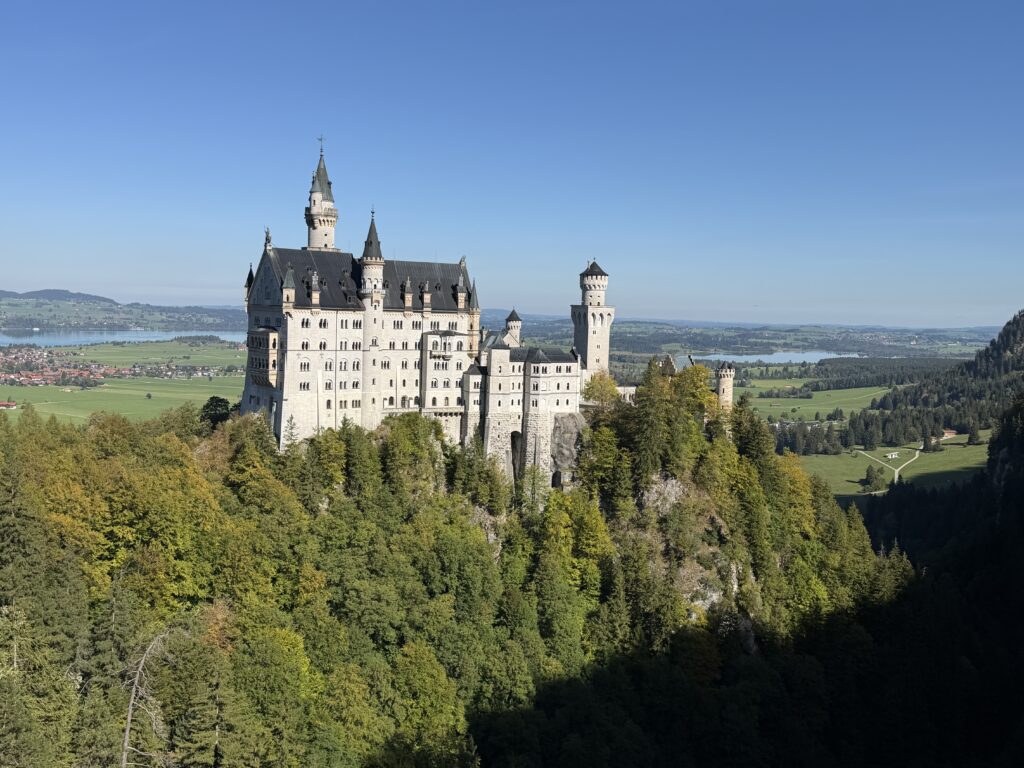
We spent nearly the entire month of September in Germany with our great friends, Laurie and Marv Baker. The visit started in Berlin and wound through the country including the Rhine, Munich, and Bavarian Alps regions. Our day-to-day stories are told in our pictures at the bottom of the post. Additional pictures can be found in Germany Extras
Basecamps
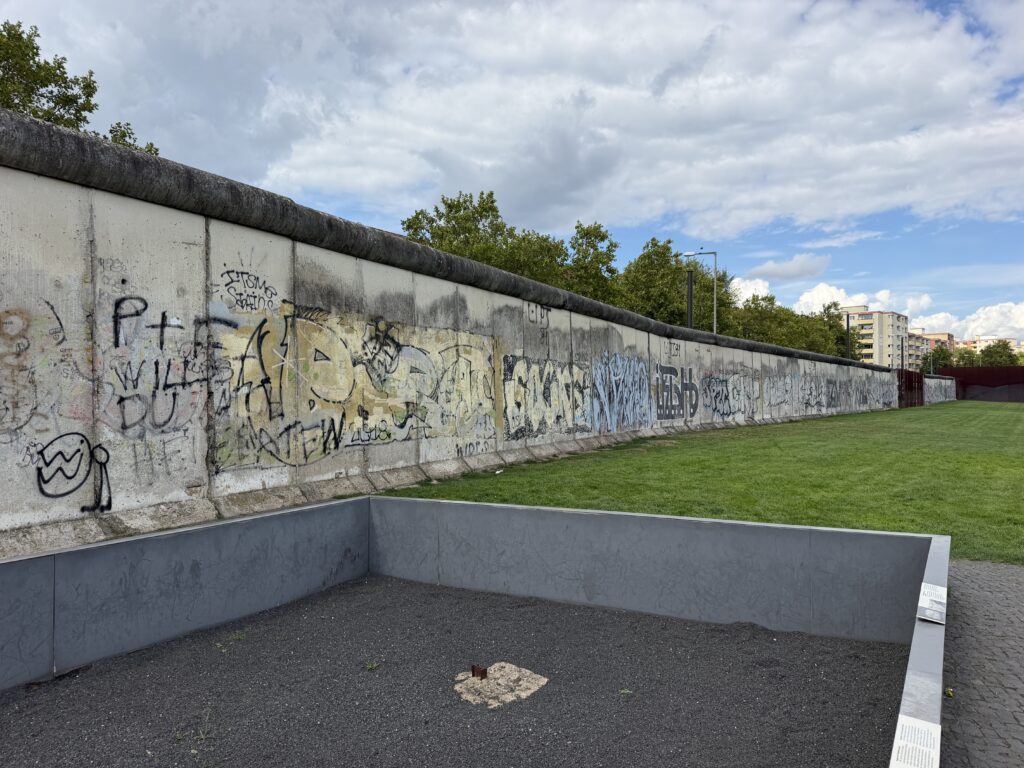
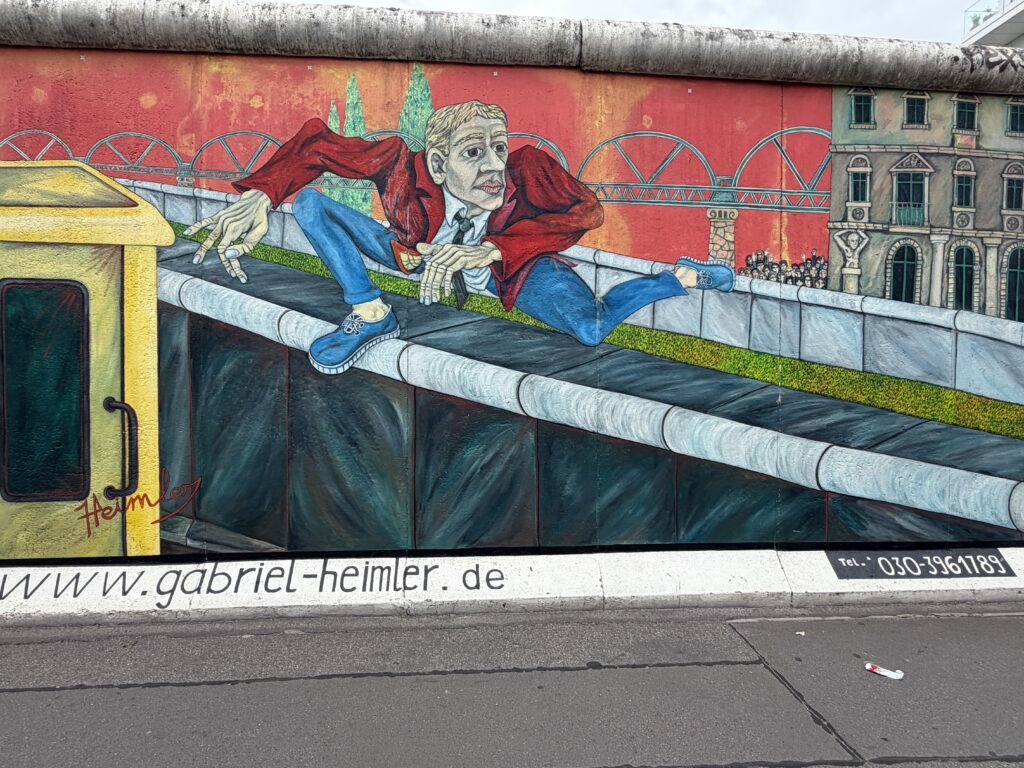
Berlin – Capital and cultural center of Germany. Berlin is also home to a large number of great museums. The result is a vibrant, artistic, and fun place to be. One impressive example is a kilometer long section of the former wall which was covered with murals by various artists commemorating the fall of the Berlin Wall – pictures can be found at Berlin East Side Gallery. The impacts and changes resulting from the unification of Berlin are astounding.
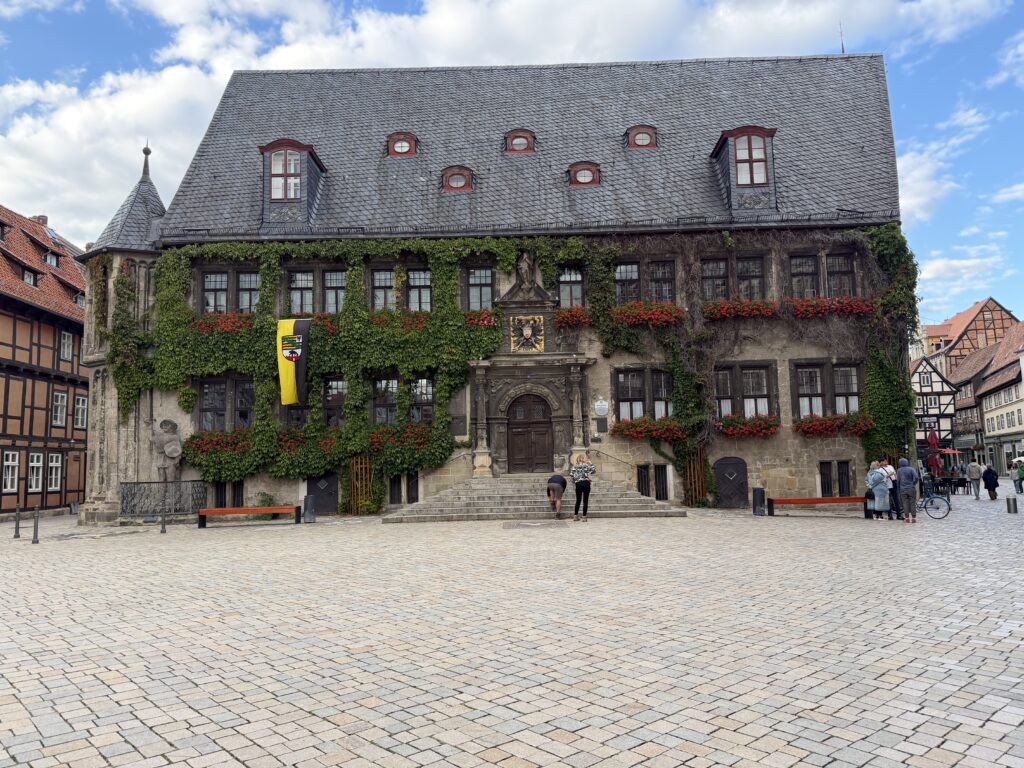
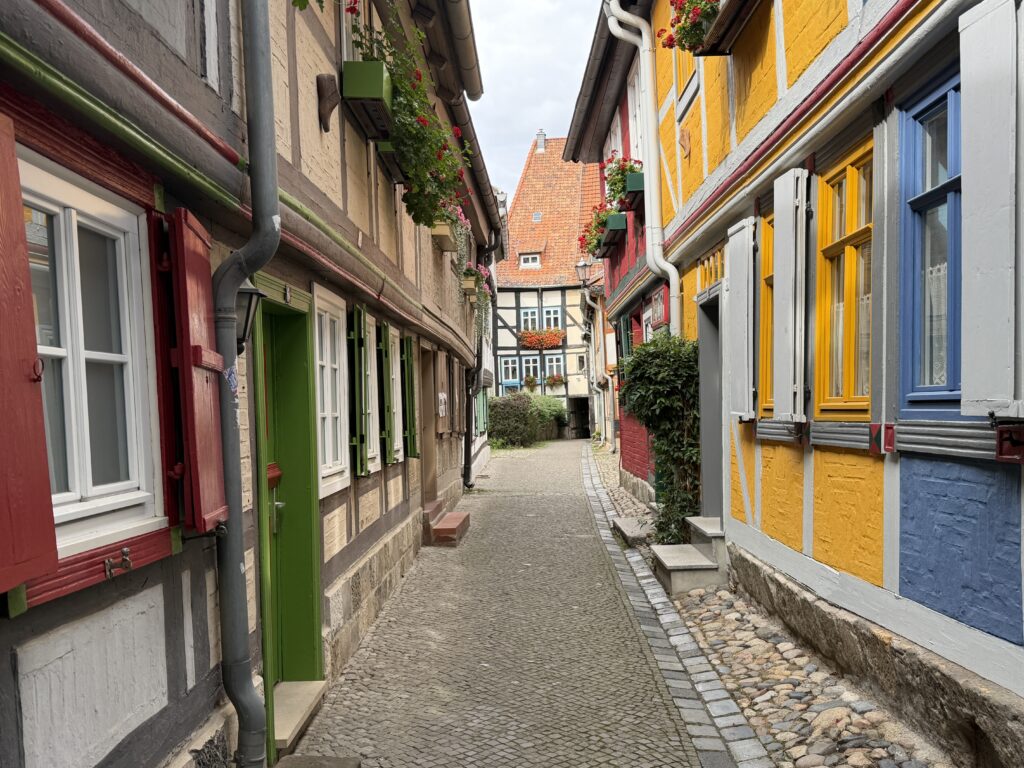
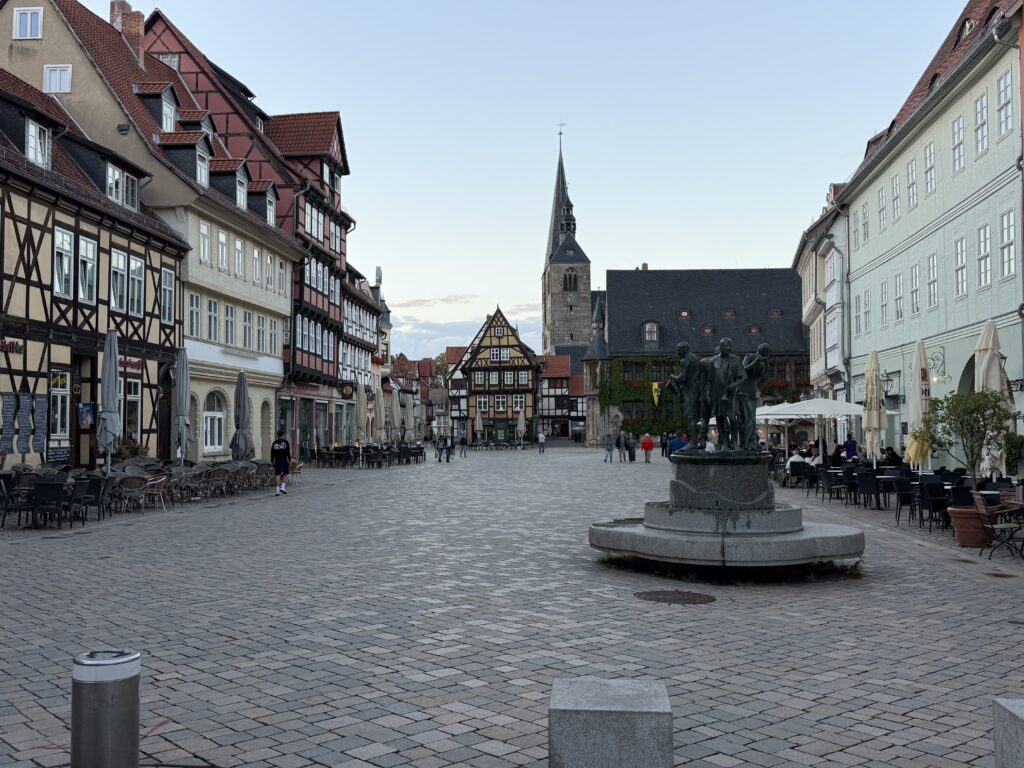
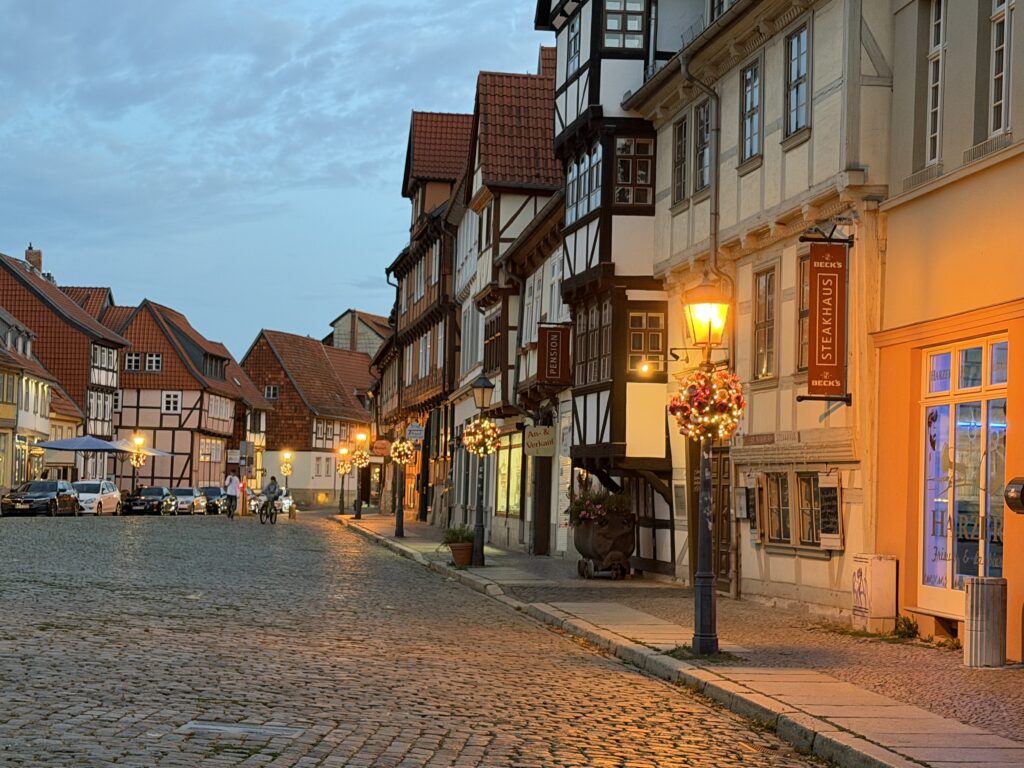
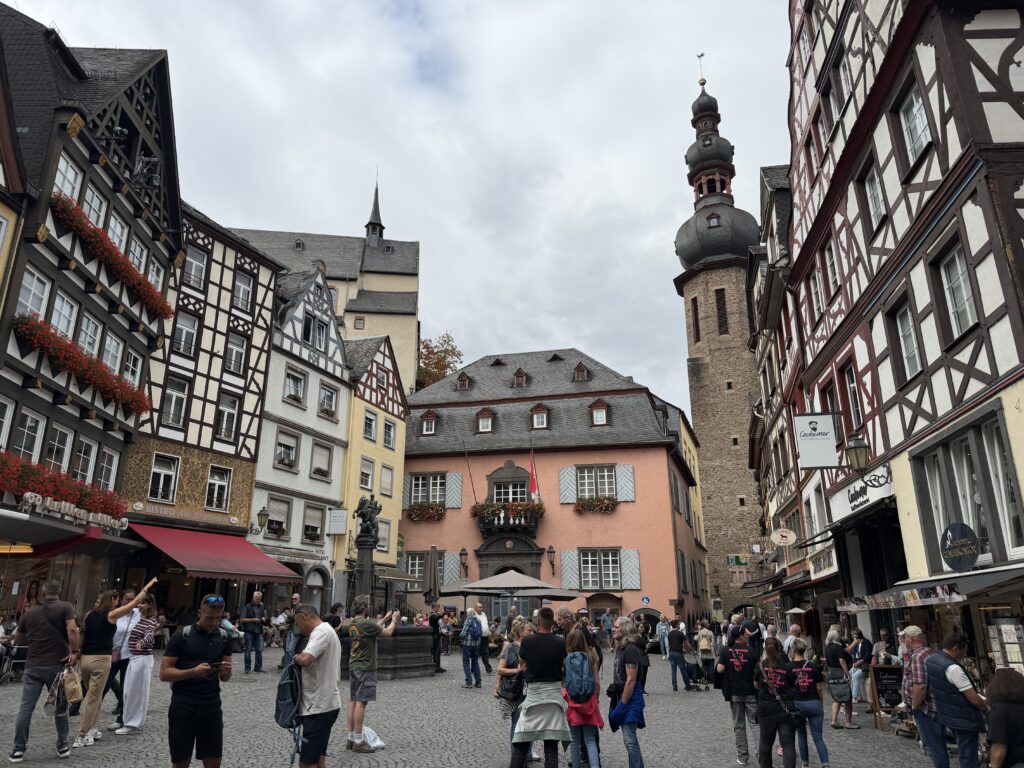
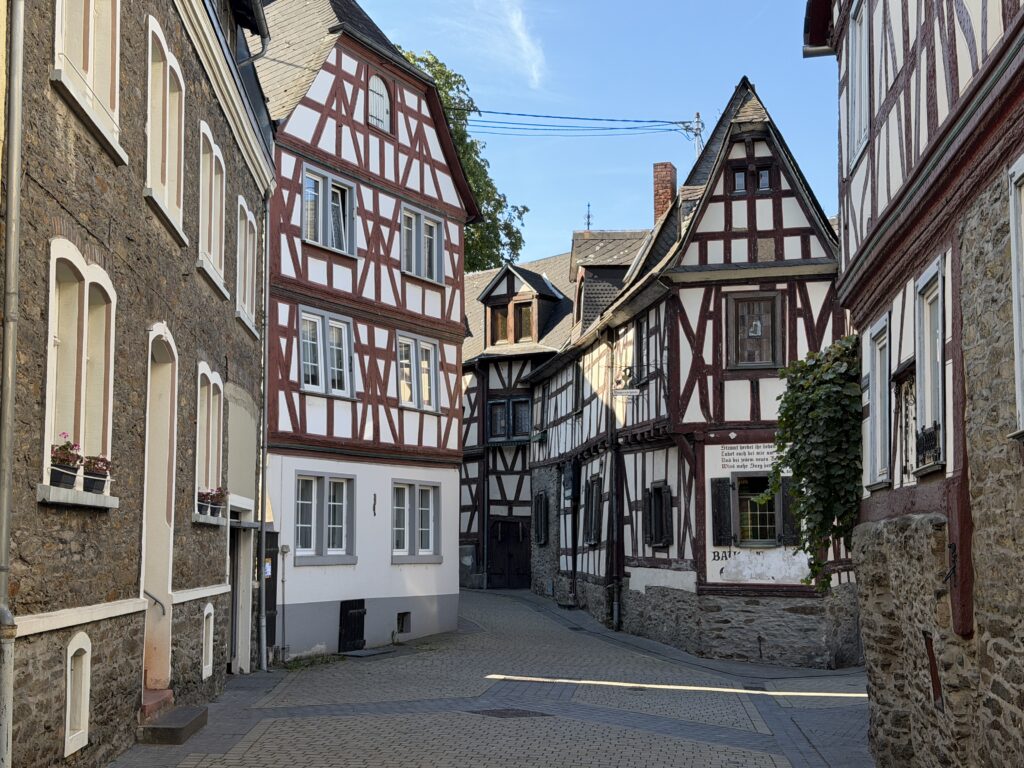
Quedlinburg – Small medieval town that has a large number of half-timber houses. It has significant history going back to the 900s, when it served as an important royal residence. It was spared the destruction that most German cities suffered in WWII, leaving the city intact.
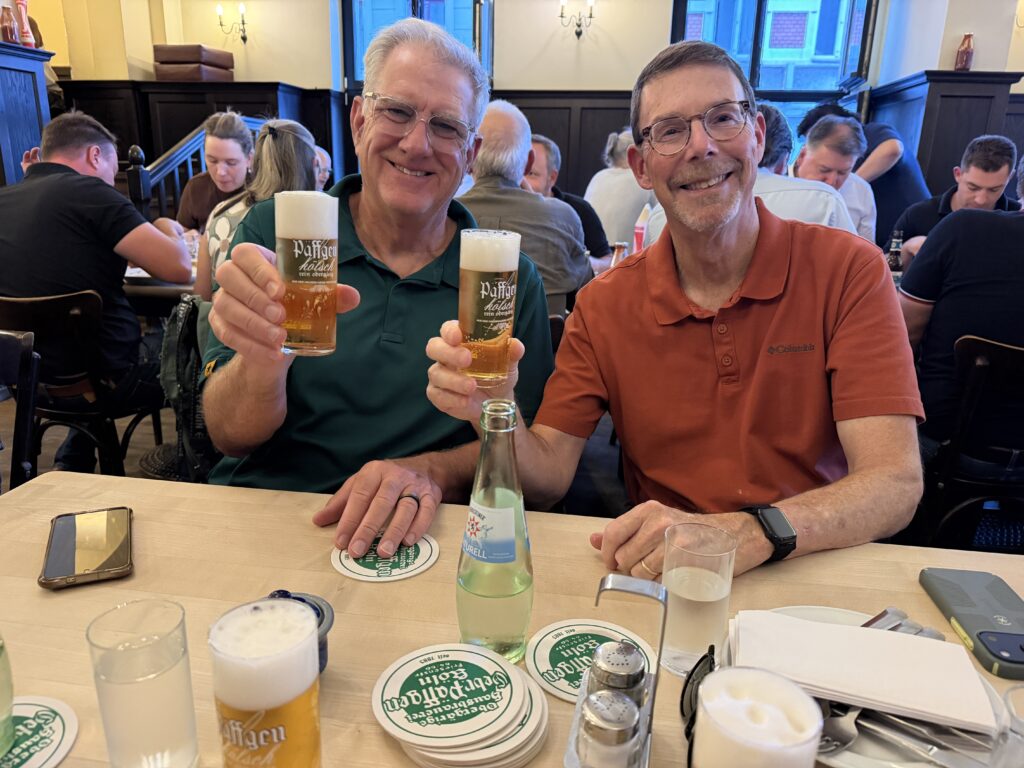
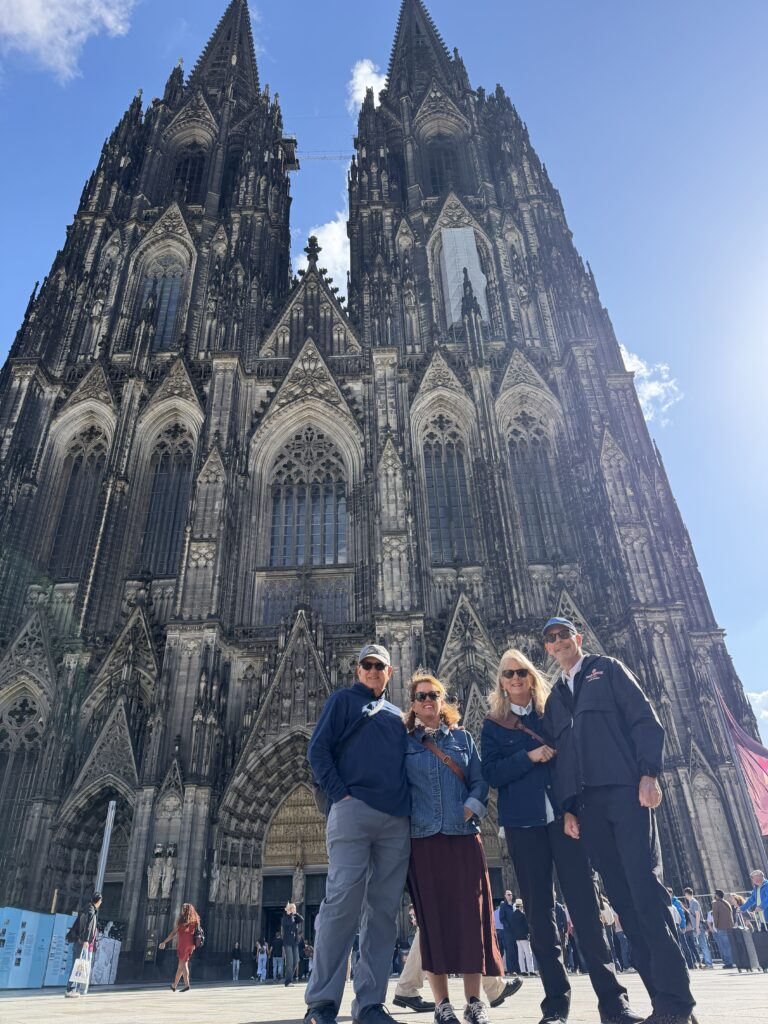
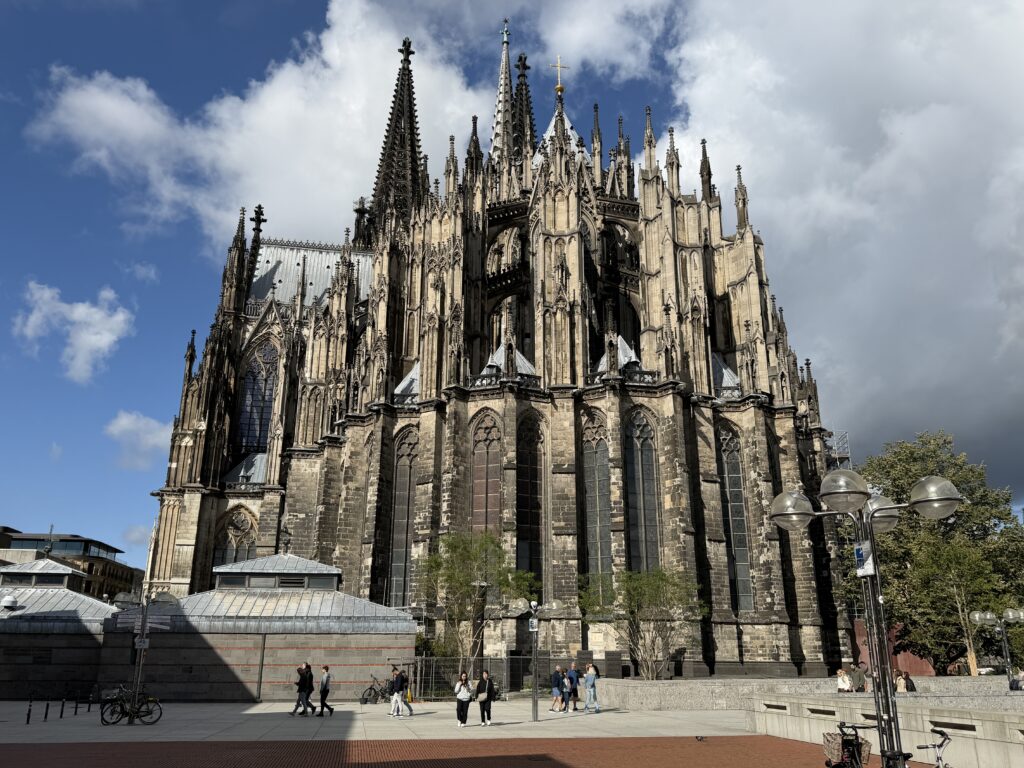
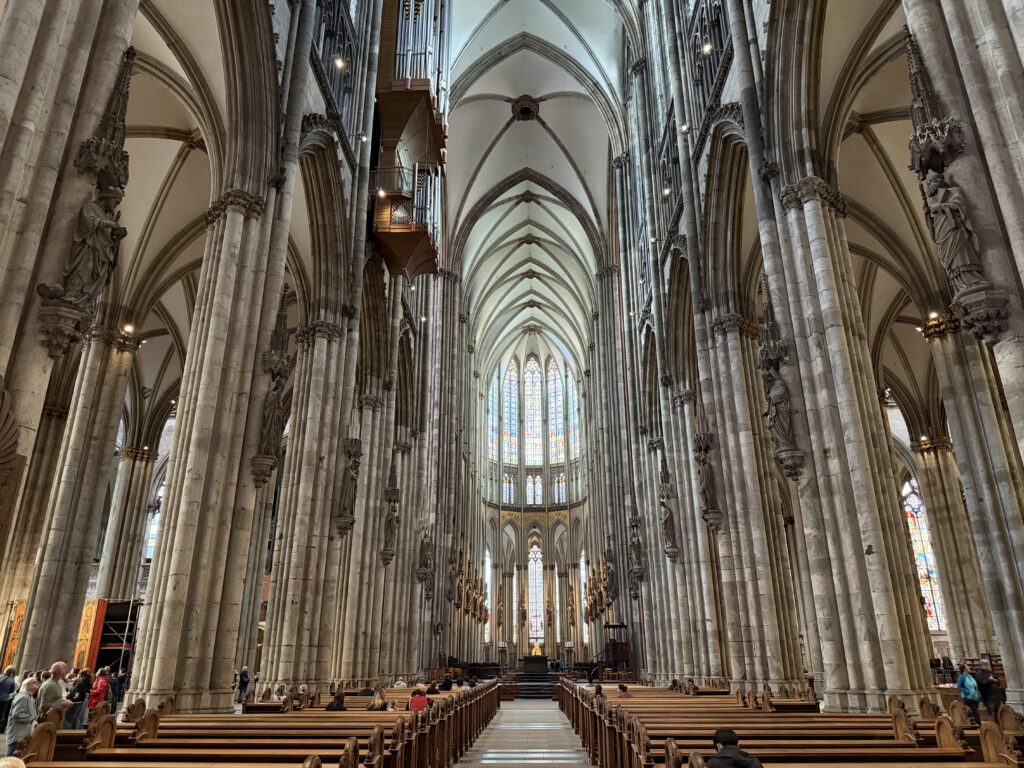
Cologne – Large city on the Rhine founded by the Romans in the 1st century AD. The Cologne Cathedral is one of the largest and most impressive of all the Cathedrals in Europe. The locals invented, and perfected, modern Kölsch beer in the early 1900s. The city was largely destroyed in WWII and rebuilt since then.
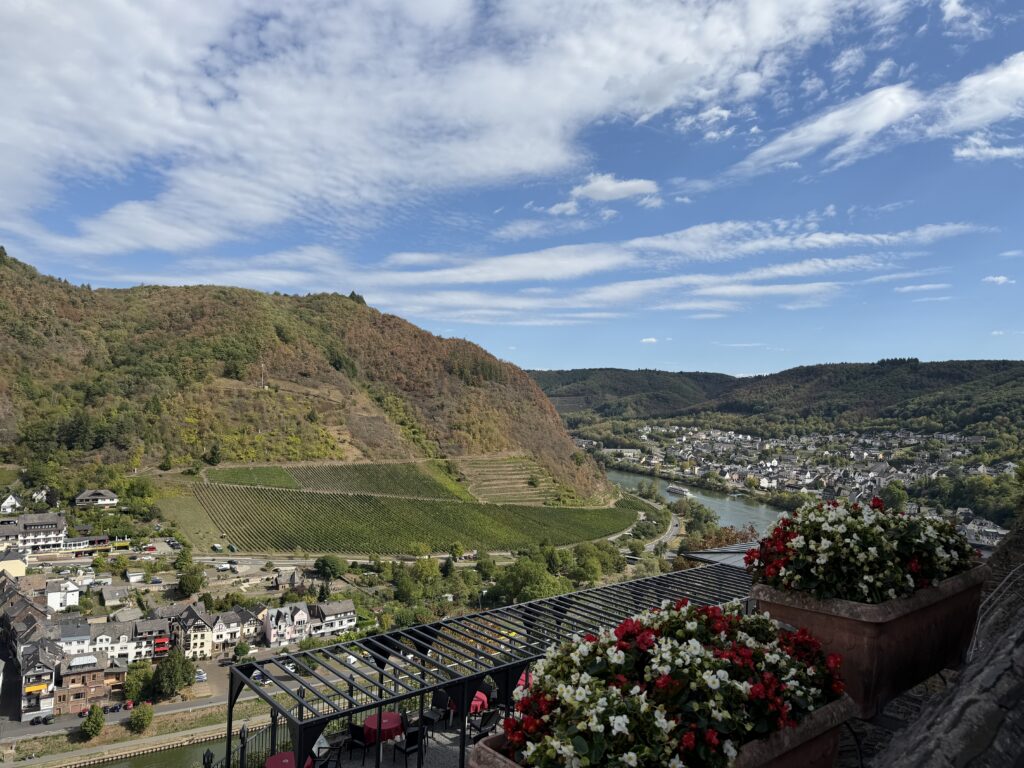
Koblenz – City located at the meeting of the Rhine and Mosel rivers and goes back to early Roman times. The mighty Ehrenbreitstein Fortress overlooks the rivers. It is a gateway of sorts for the great German wine regions.
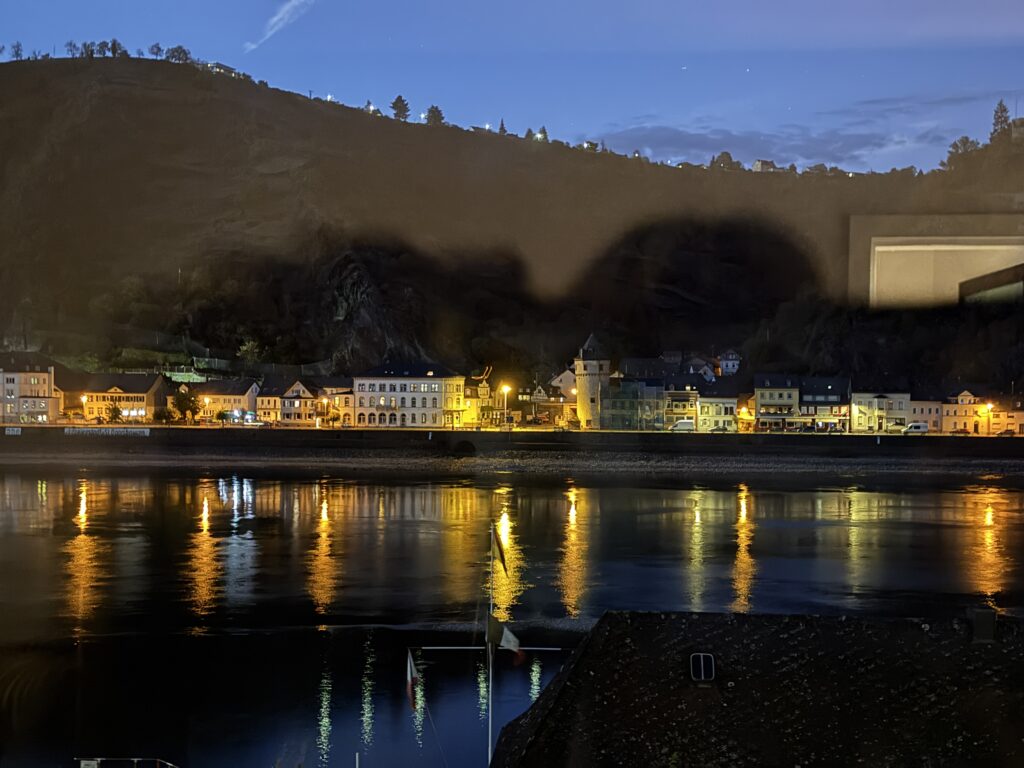
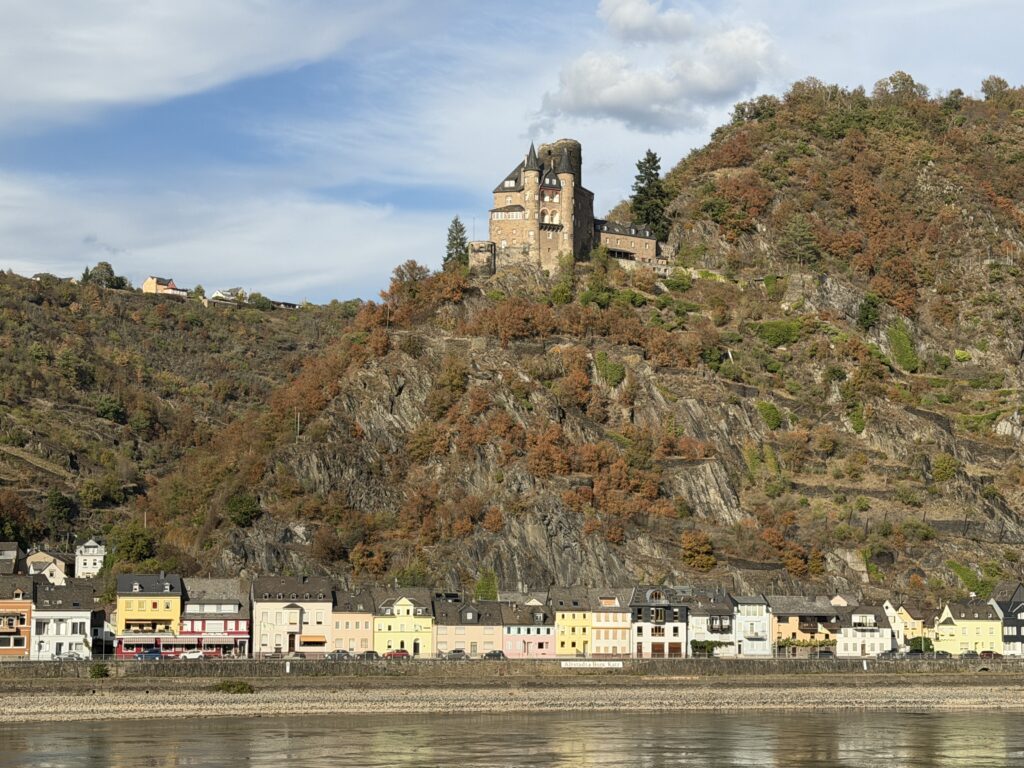
St. Goar – Small scenic Rhine town surrounded by high gorge walls and beautiful castles
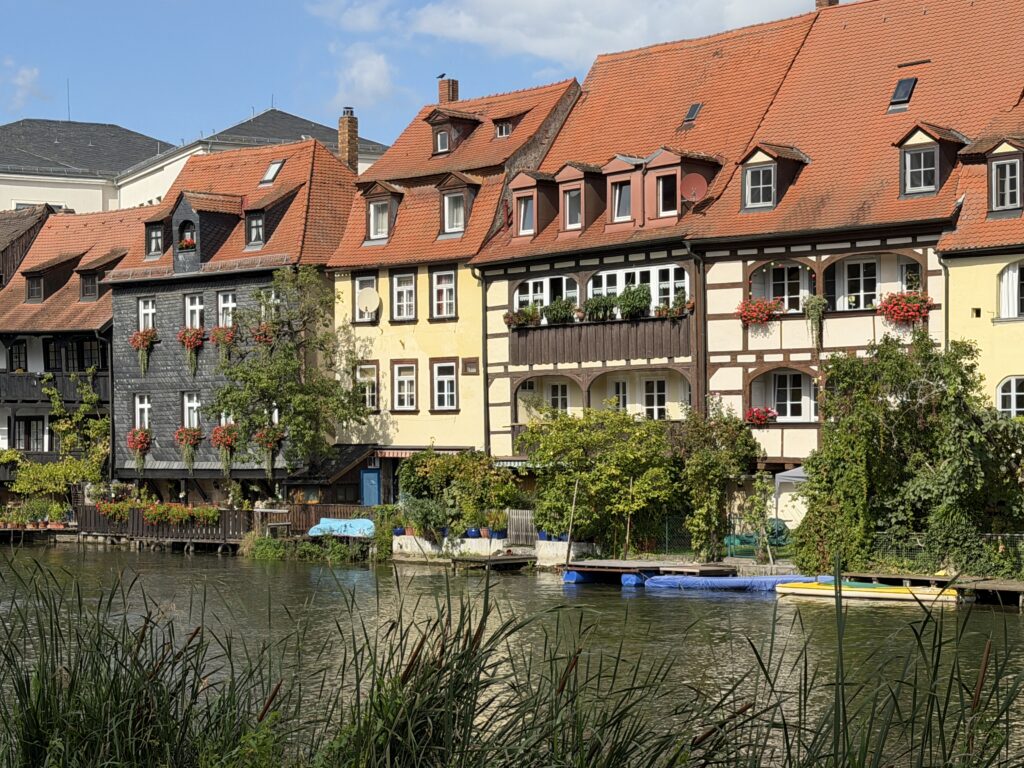
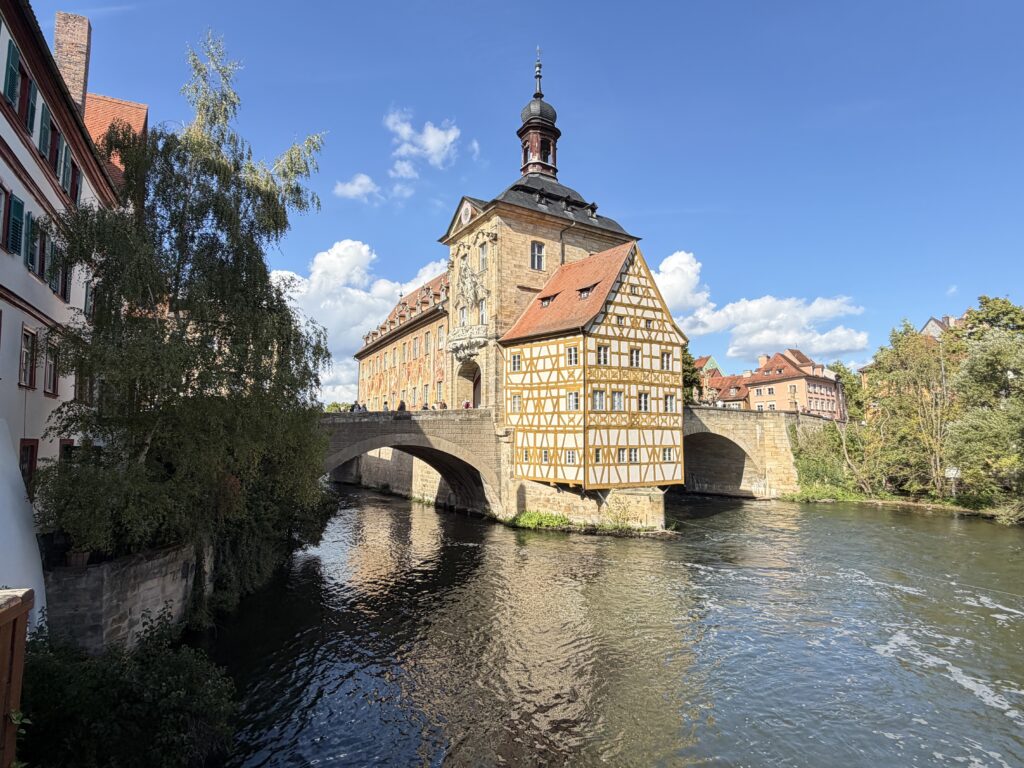
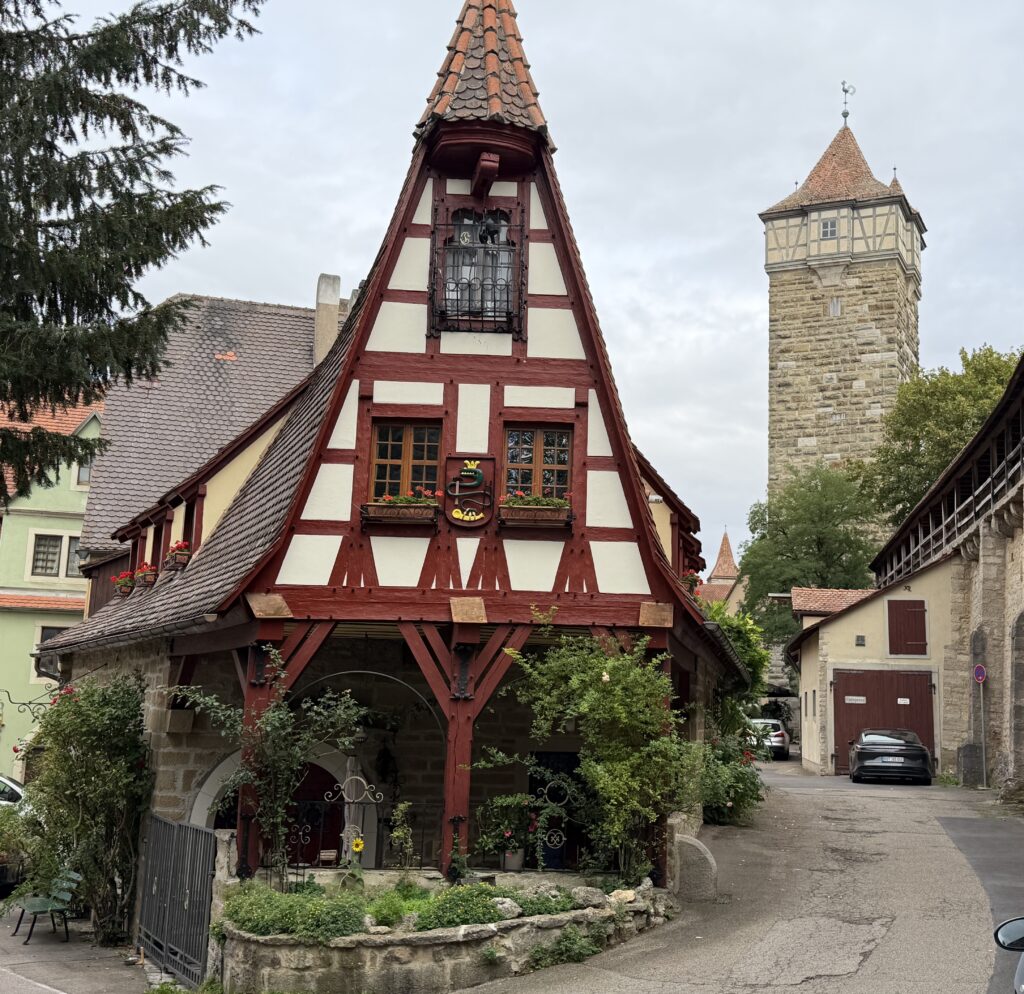
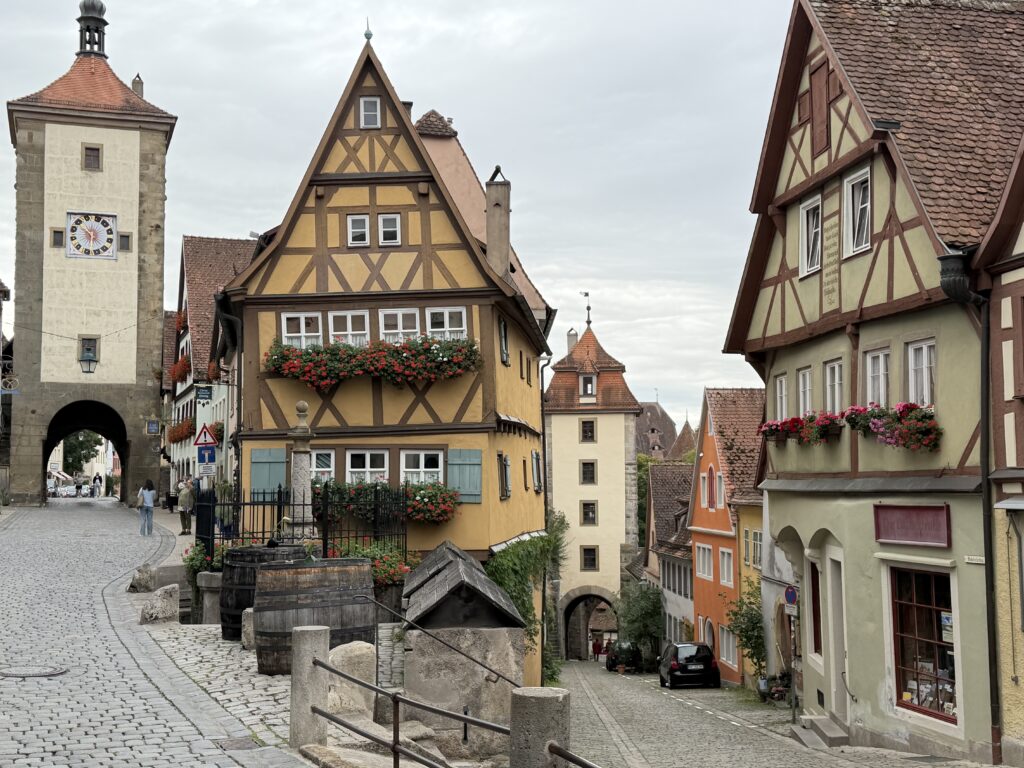
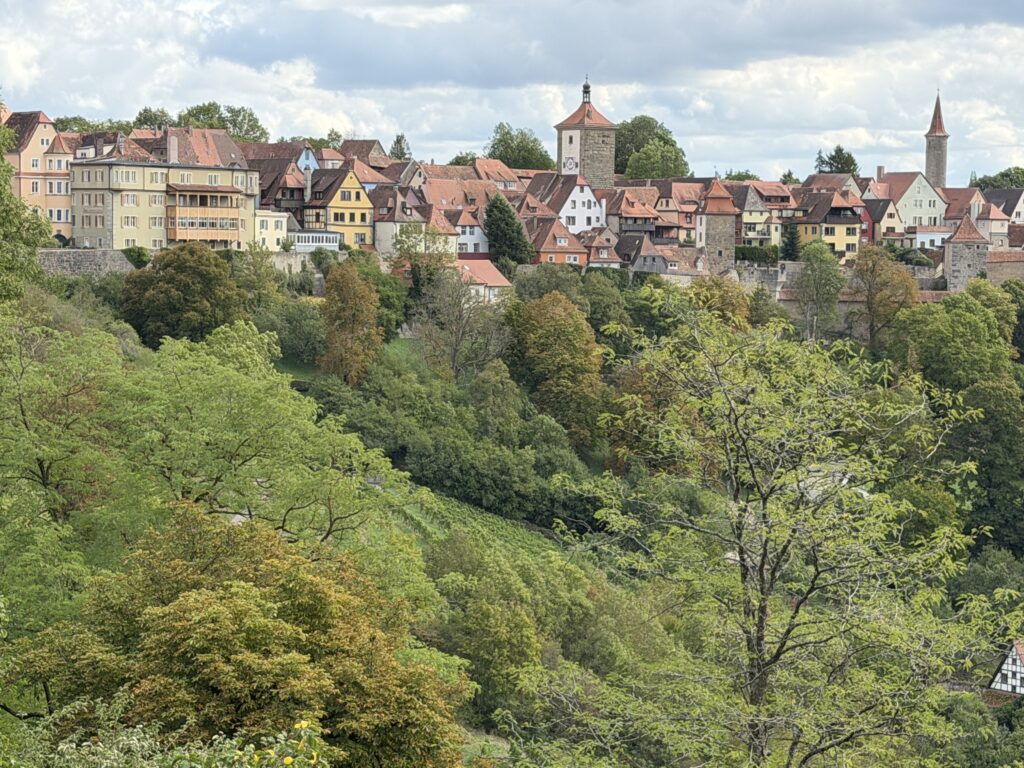
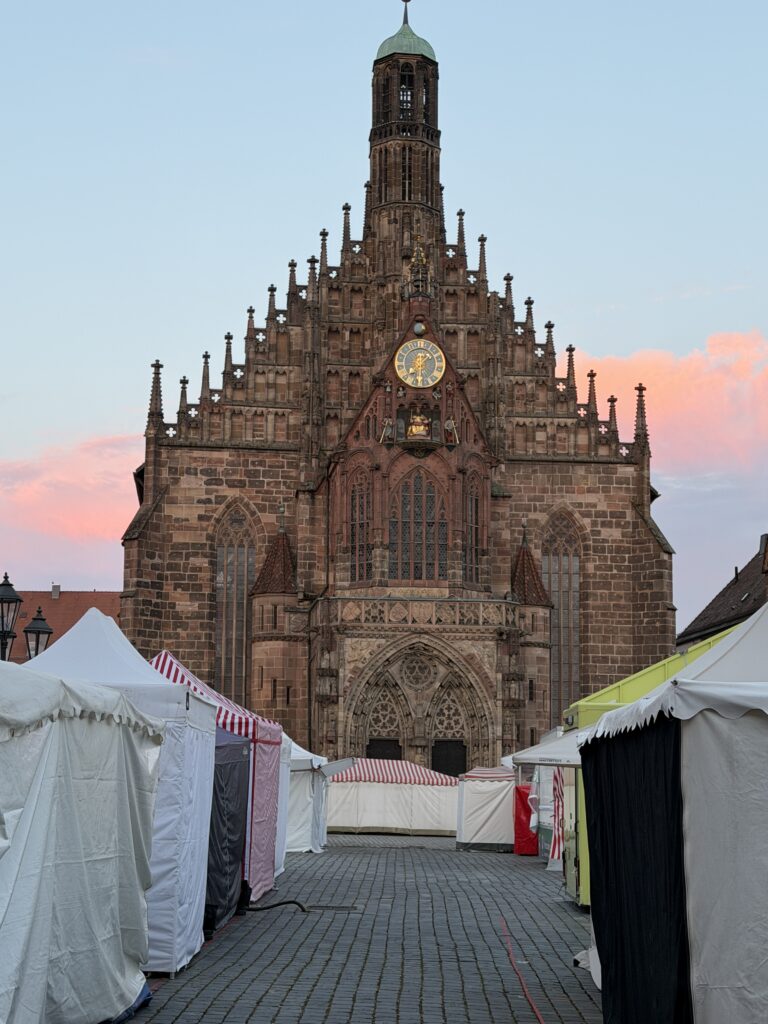
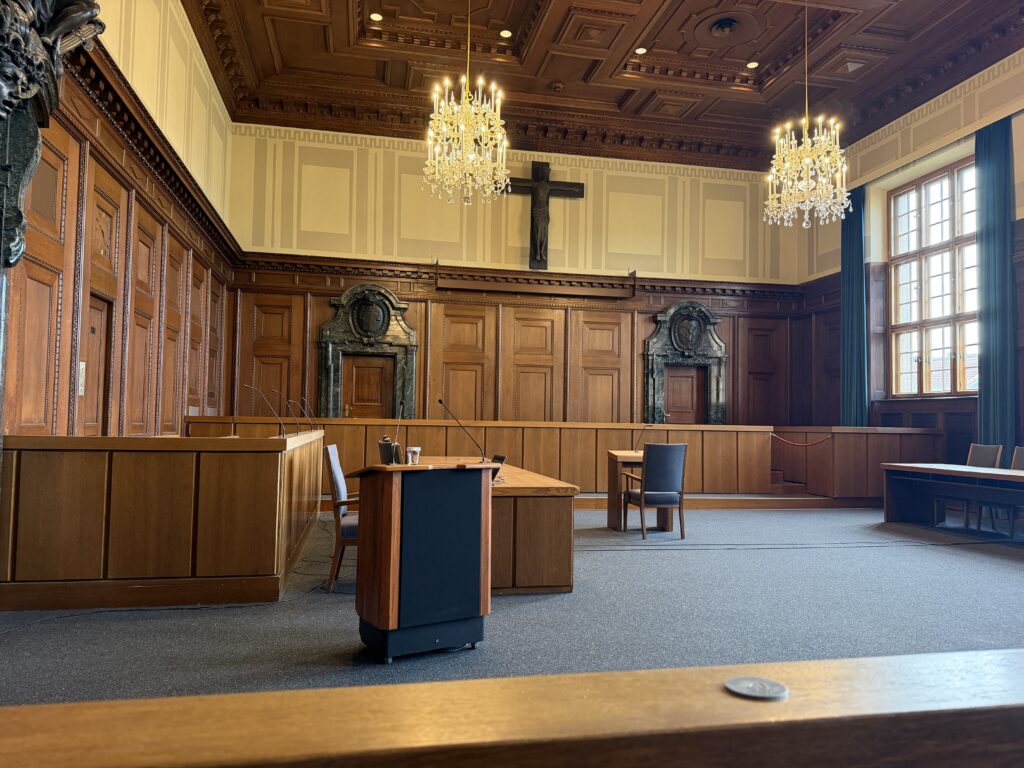
Nuremberg – Best known for being a center of Nazi activity and WWII war trials, but was also major northern hub for the Holy Roman Empire and Catholic Church. Much of it was destroyed by Allied Forces. It was also our basecamp for day trips to Bamberg and Rothenberg
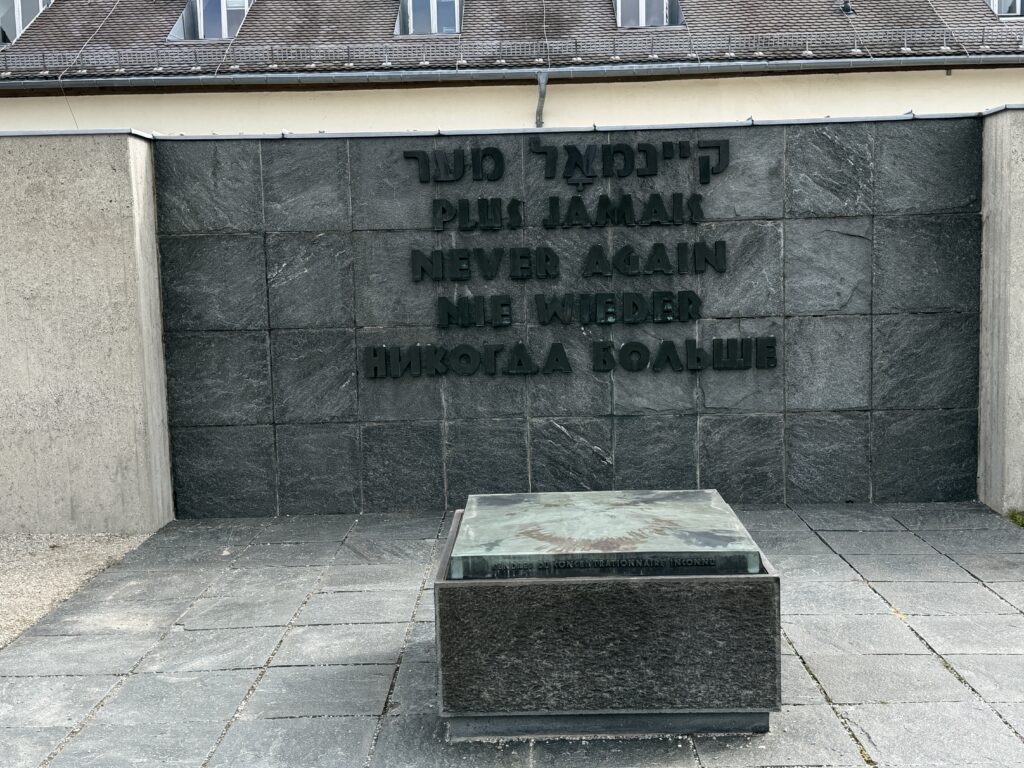
Munich – The Bavarian culture, history, possibly the best-of-the-best German beer, and Nazi activities. Above all, it’s arguably the world’s top party place with the Oktoberfest. It was also basecamp for our Dachau daytrip.
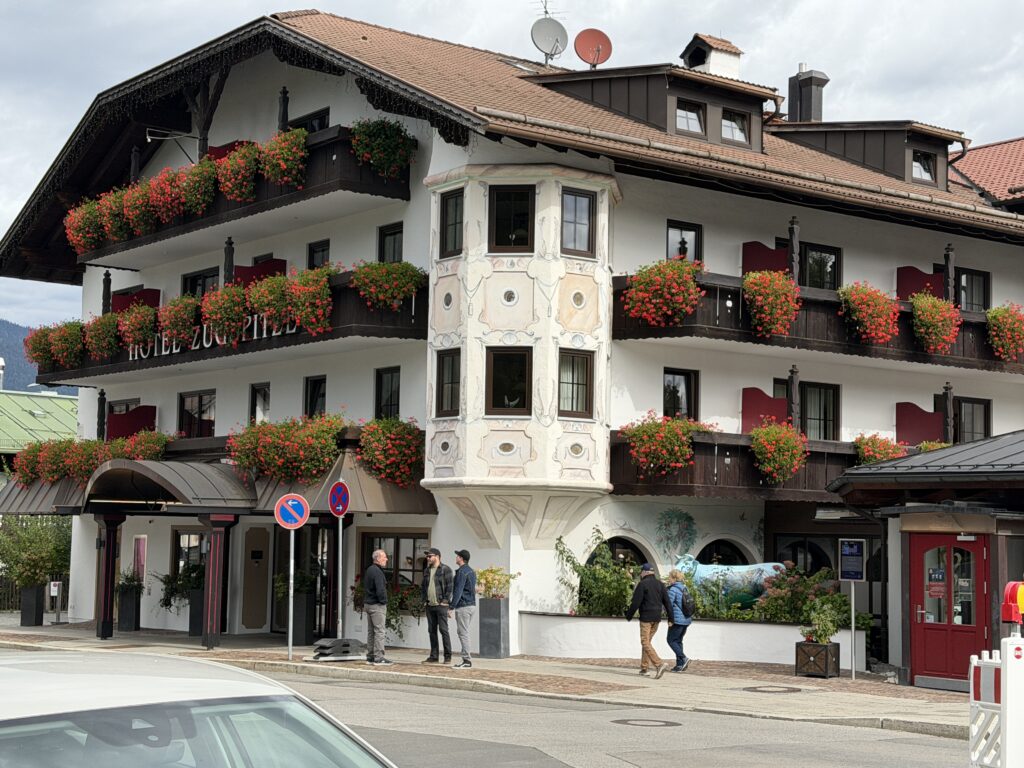
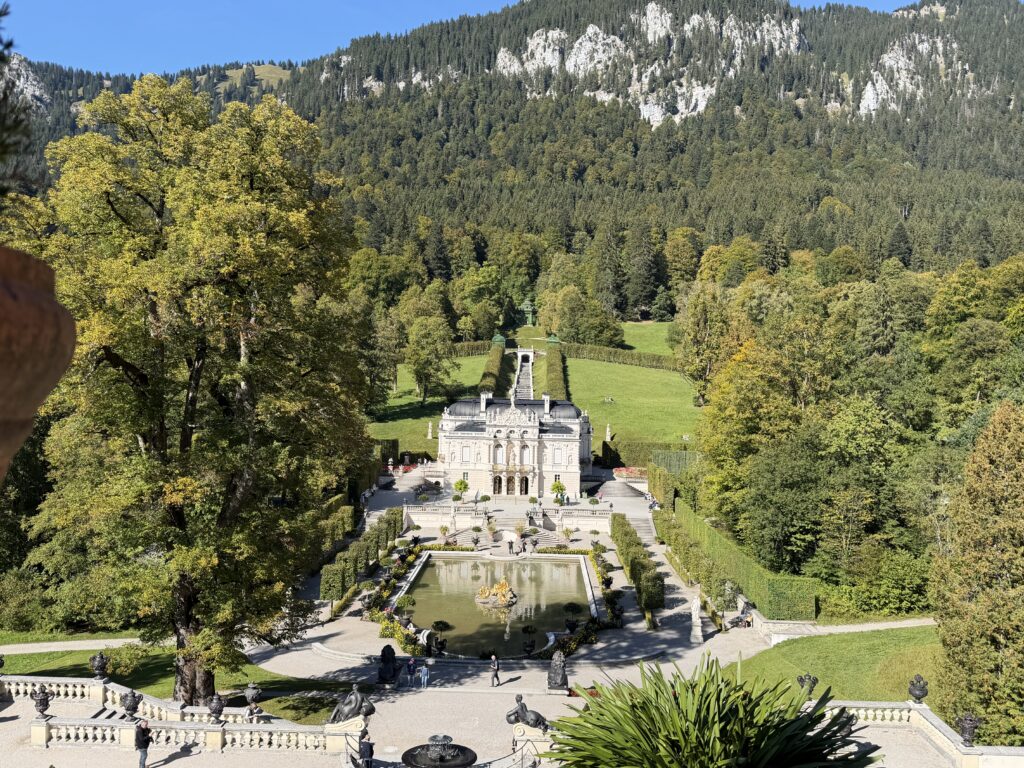
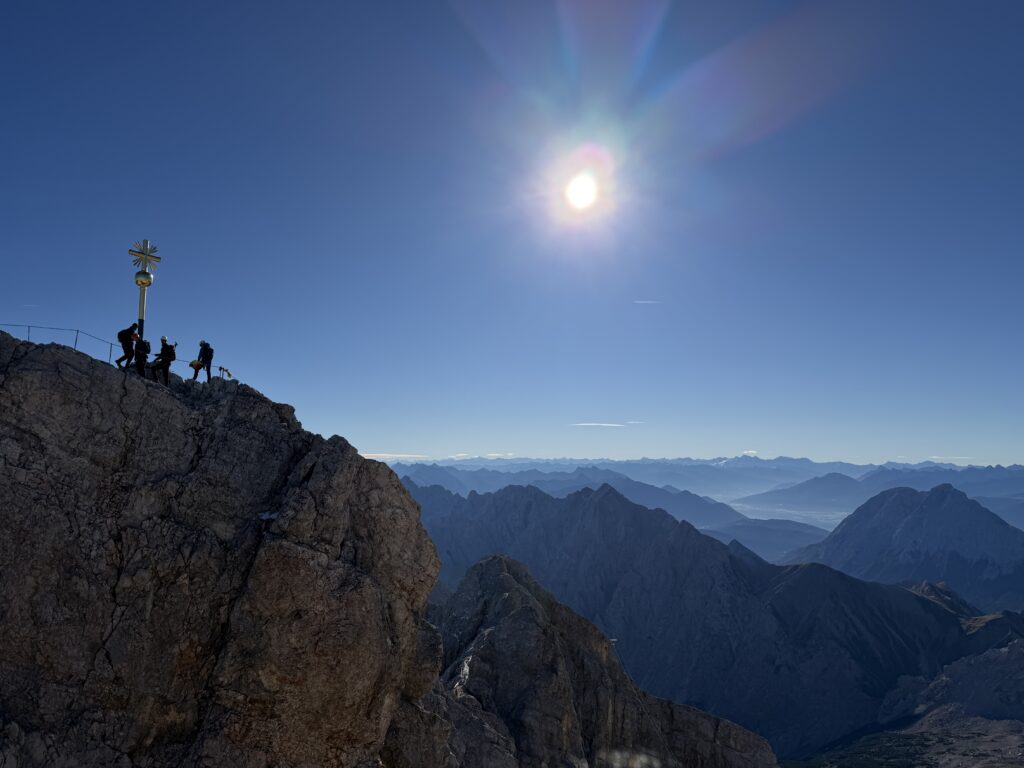
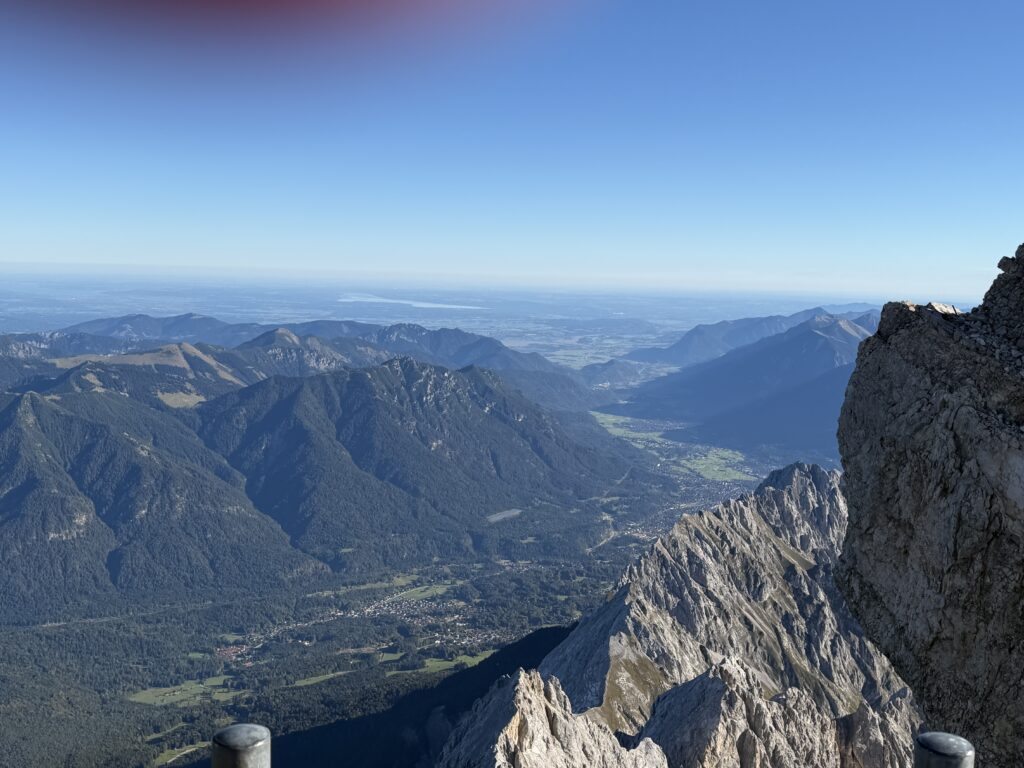
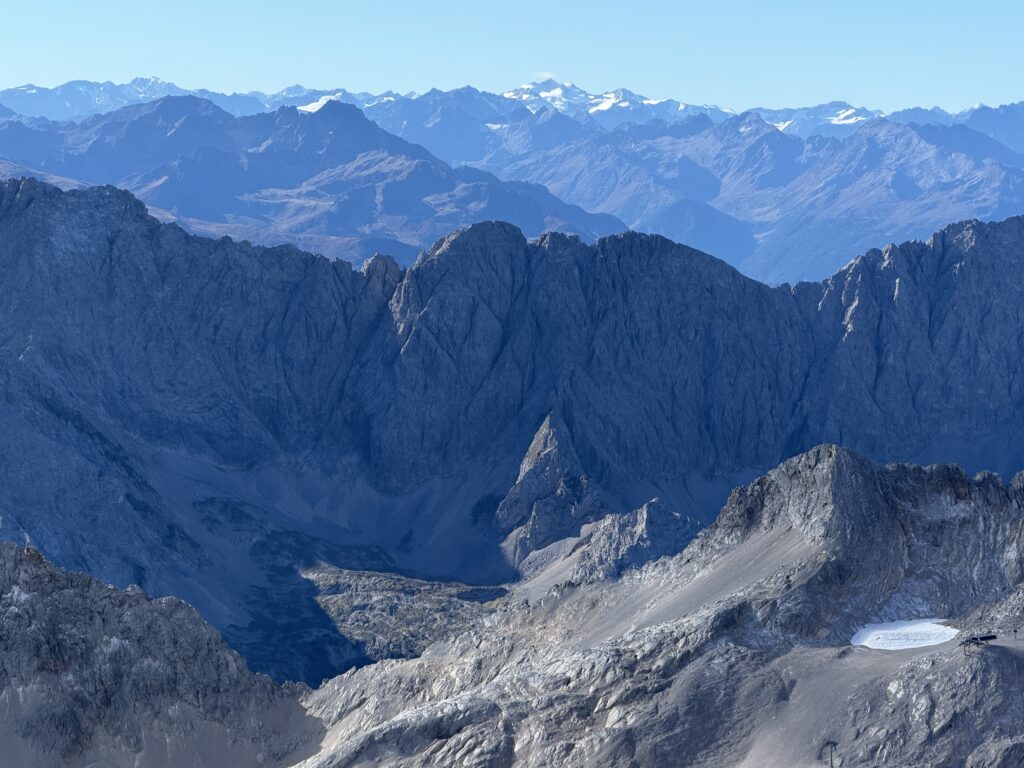
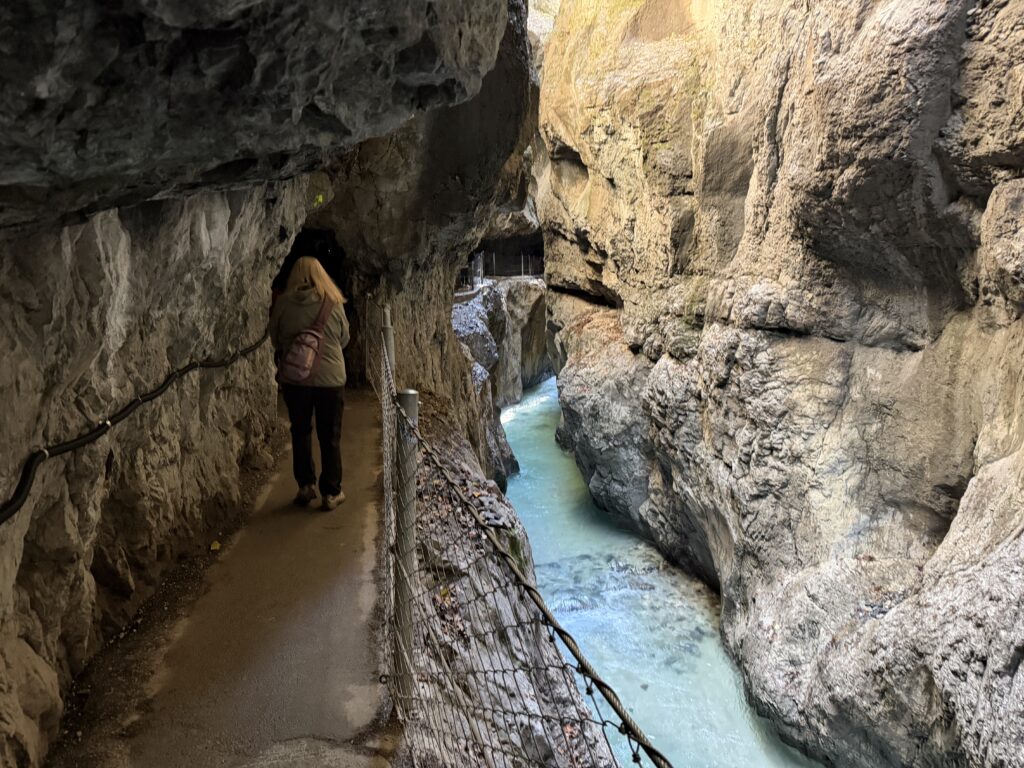
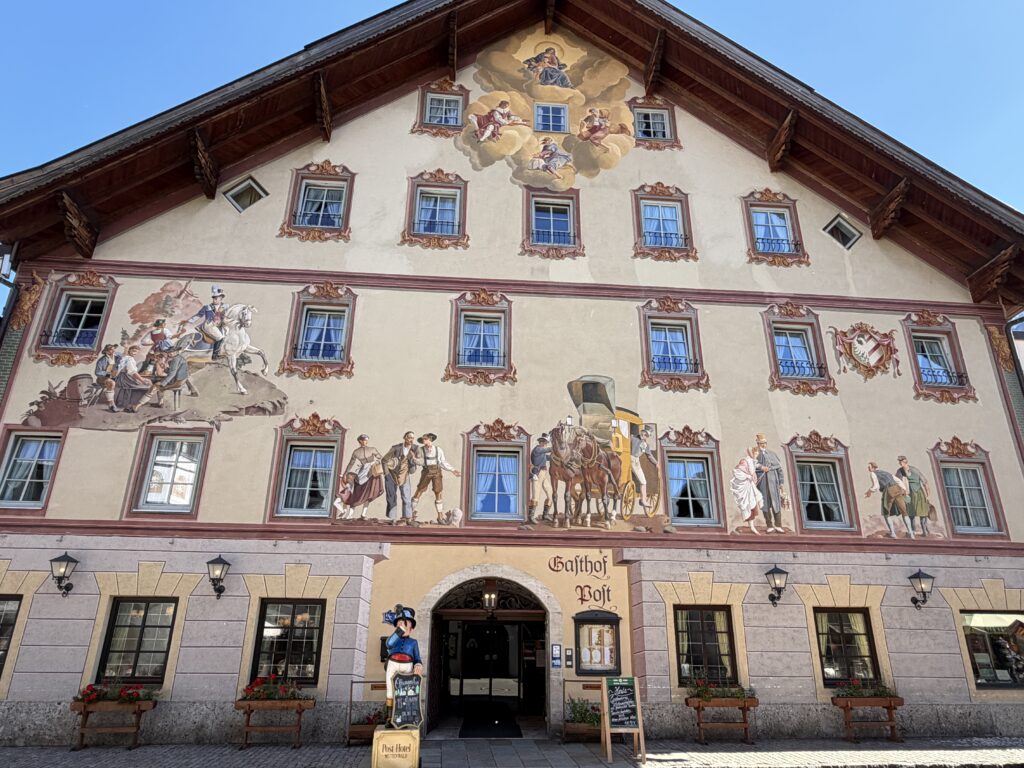
Garmisch-Partenkirchen – The small city is the gateway to the Bavarian Alps. They have traditional Bavaria houses, scenery, and mountain businesses. It hosted the 1936 winter Olympics and still uses the ski jumps. The mountains are everywhere and take your breath away.
Getting Around
Everyone we met treated us with kindness and respect. In the villages we ran into a few people who spoke little or no English, but had no problem getting around making heavy use of Google Translate. There was a lot of tourists everywhere we went, most of which appeared to be American. With the exception of a couple of local car rentals to get to places without rail stops, we took trains between cities. Cabs were cheap and easy to get in cities and we generally walked towns and villages. The quality of trains was all over map: some are like airline business class, some are like a cattle car, and everything in-between. German trains are frequently late and they sometimes cancel and/or finish your trip on a bus. Definitely a love-hate situation.
Castles and Churches
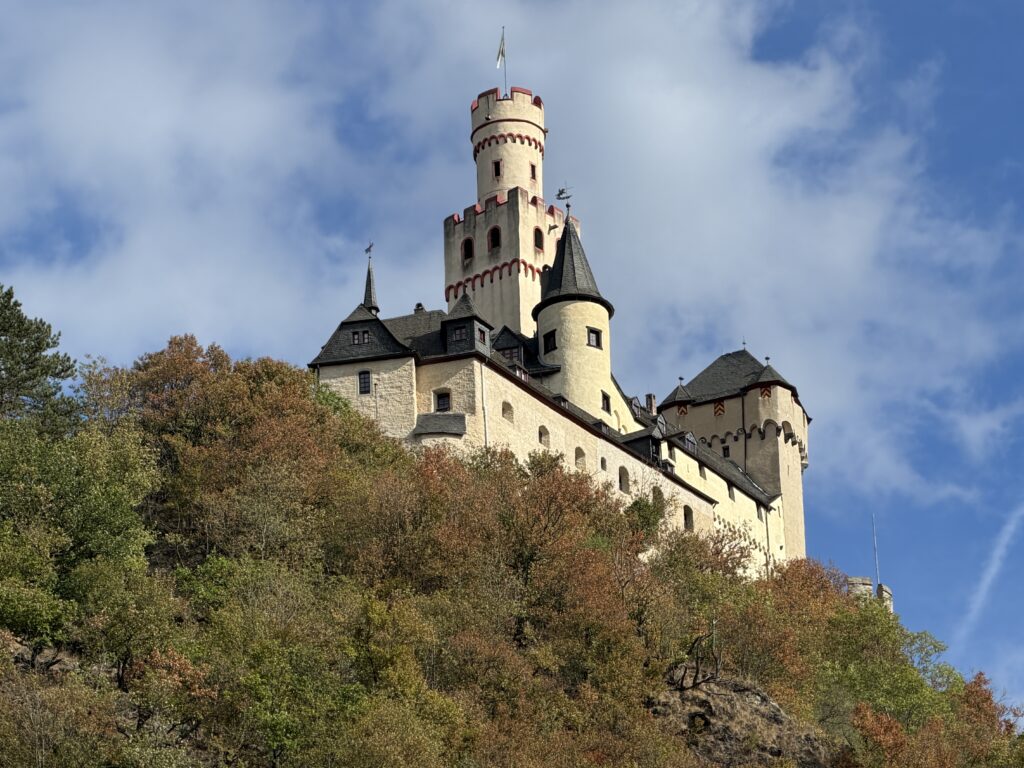
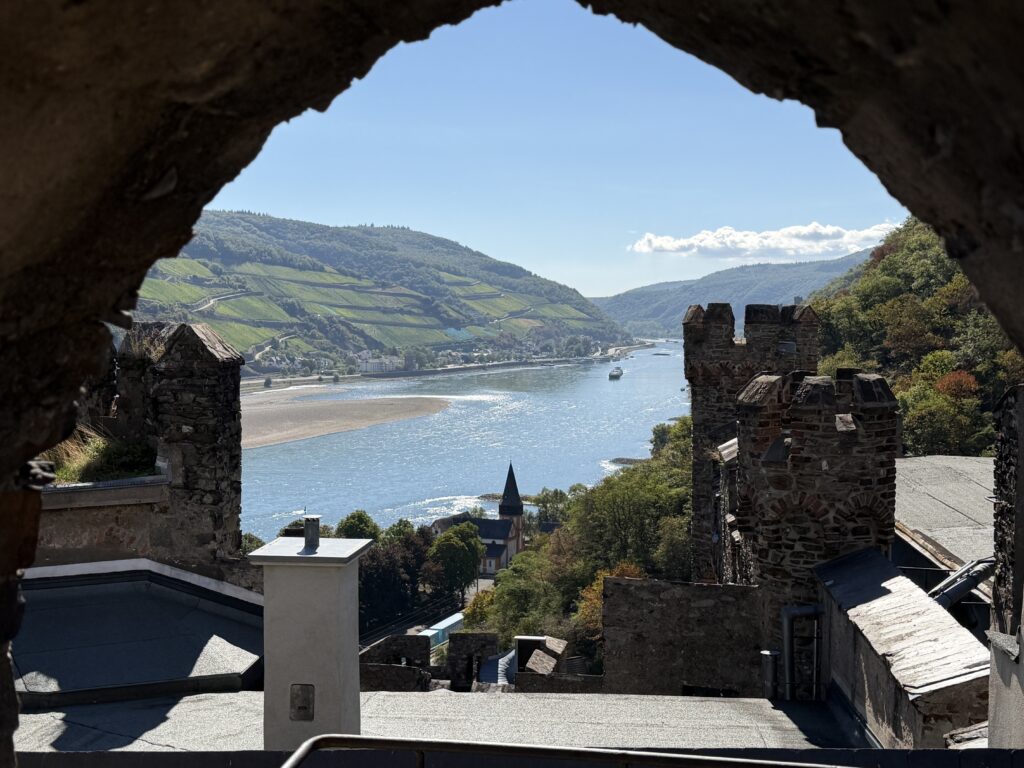
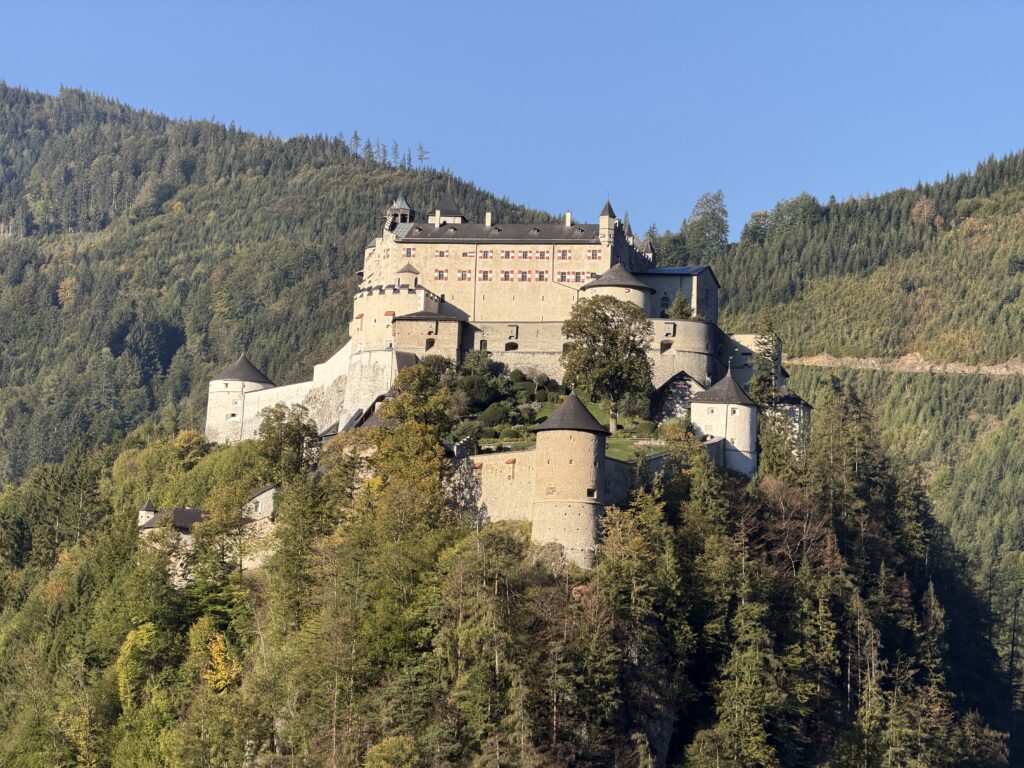
Like several countries in Europe, Germany, as a country, hasn’t existed as long as the USA. The current unified country was formed in the 1870’s. It resulted from combining the separate German states of Bavaria, Saxony, Prussia, and others into one country. All those states separately existed for hundreds or even thousands of years. During medieval times, the Rhine and Mosel rivers became the highways of the day. Many castles were built on the river banks for both protection and as “toll booths” to enforce the collection of fees for boats to travel through their lands. There are many spectacular castles ranging from elite hotels to ruins alongside the rivers.
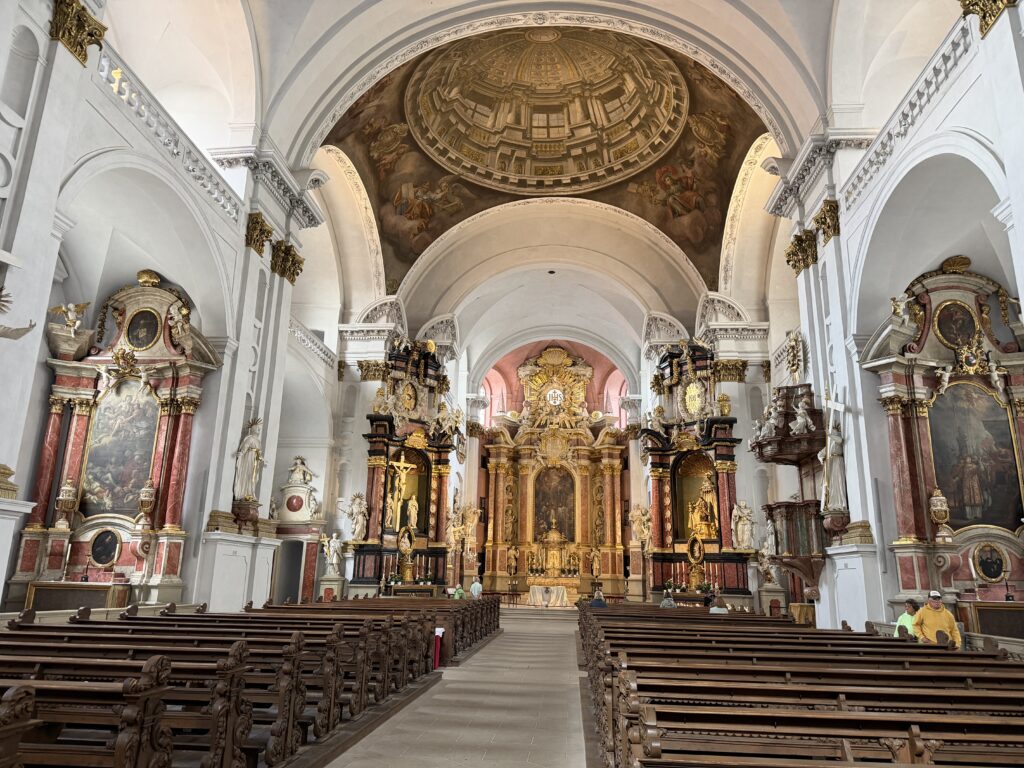
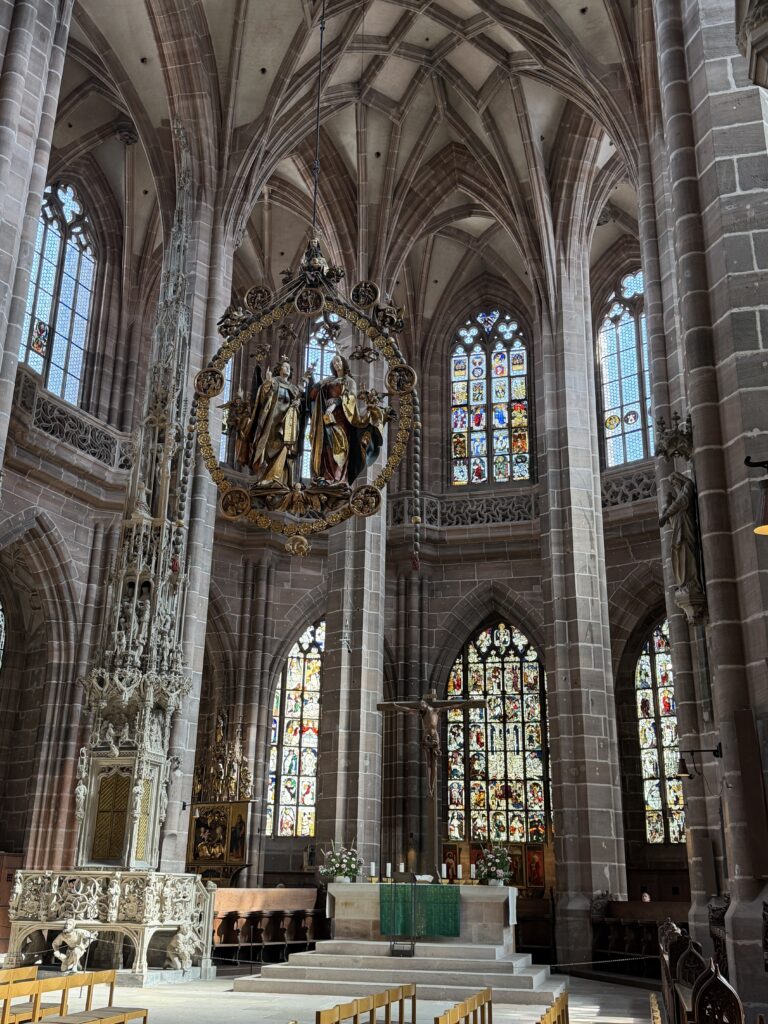
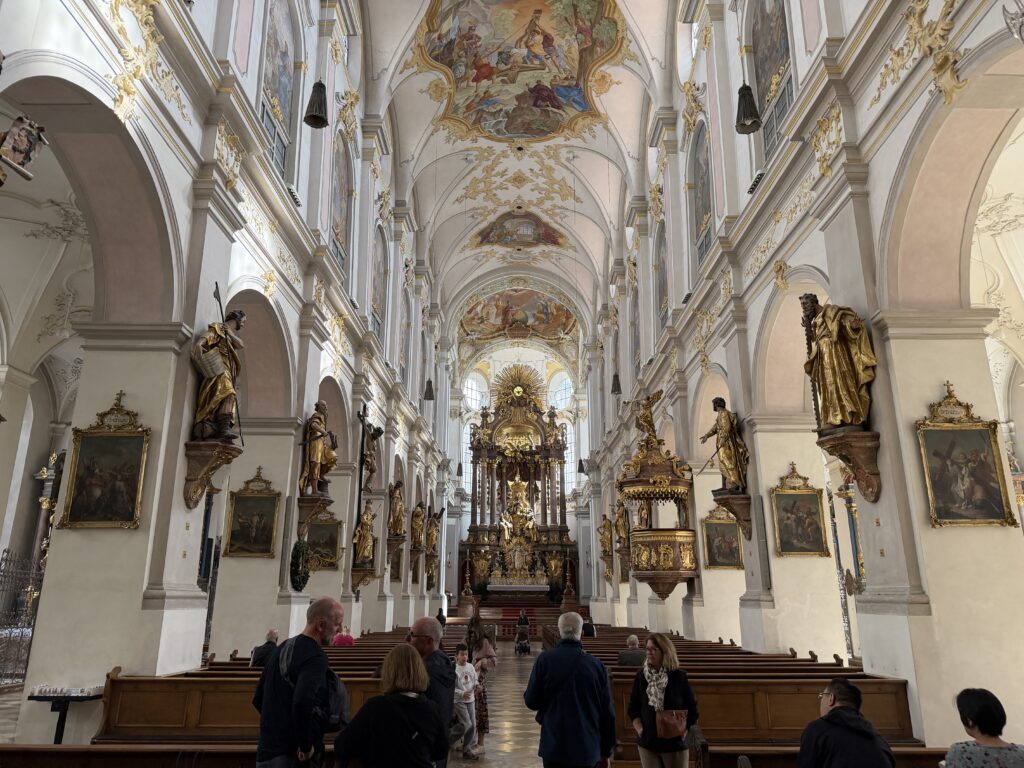
Germany has many spectacular churches of varying sizes built during the last millennium. Over the course of time, they have been embellished with remarkable statues, woodwork, and artwork. They were by built by a variety of sponsors including the Roman Catholic Church, Kings, Emperors, and ordinary townspeople. The larger church and cathedrals took decades and sometimes even centuries to build. We saw incredible buildings, including many that were reconstructed after WWII.
World War II and the People of Germany
Our itinerary was heavy with WWII themed venues, but were still a bit surprised that the apparent impact of the war still hovers over the population after 80 years. Over the course of our four weeks in Germany, nearly every place we went and every tour we took had a WWII theme or story.
Most of the cities and many of the towns we visited incurred major bomb damage and civilian deaths. Some cites, such as Nuremburg, underwent 90% destruction of town. The first five years after the war ended were brutal for all of Europe, but especially bad for the Germans. Most people in the Allied countries didn’t have a lot of sympathy for the Germans, and the German people paid a terrible price for Nazi aggression and atrocities. Many starved or died of exposure. People in some cities cutdown trees anywhere they could find them for firewood. Many major churches and government buildings were heavily damaged or outright destroyed. Most have been restored, but the patchwork repairs are visible, and in most cases, took decades to complete. Perhaps worst of all for the German people was the decades of hardship their children and grandchildren suffered – whether it was eking out a living or living under Soviet rule.
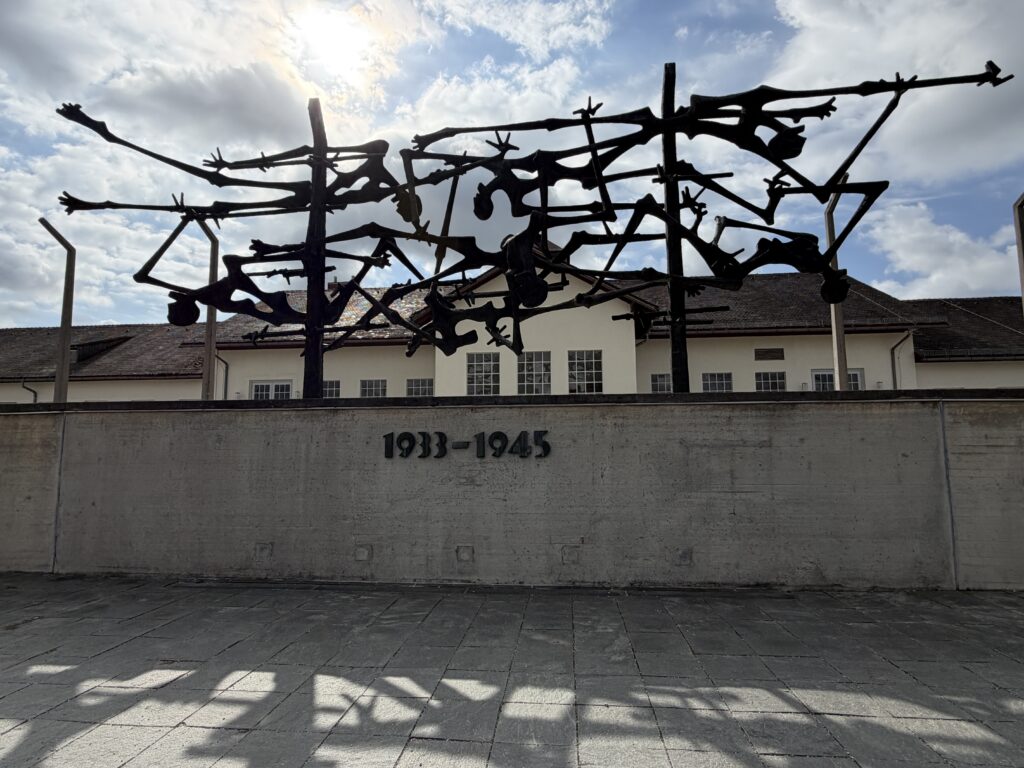
The story of how Hitler and the Nazis came to power, and how they evolved into the nightmare of the 1940s was told in museums, tours, and parks. We found the people we came in contact with to be open, honest, and frank about what happened and the challenges and guilt they collectively live with. Several guides told us that the people who survived the war would refuse talking about it, but with each successive generation, the people have become more open and in the last few decades have opened many excellent museums that document the facts with the intention of preventing this from ever happening again.
Every child in most countries is required to study the events in World War II. Most of us have learned more details during our adult life through books, periodicals, and television. However, going to the center of the horror and atrocities provides a very sobering and thought-provoking experience. Overall, I consider my new-found understanding of Germany and WWII to be the most unsavory, but valuable souvenir of the trip.
Food and Drink
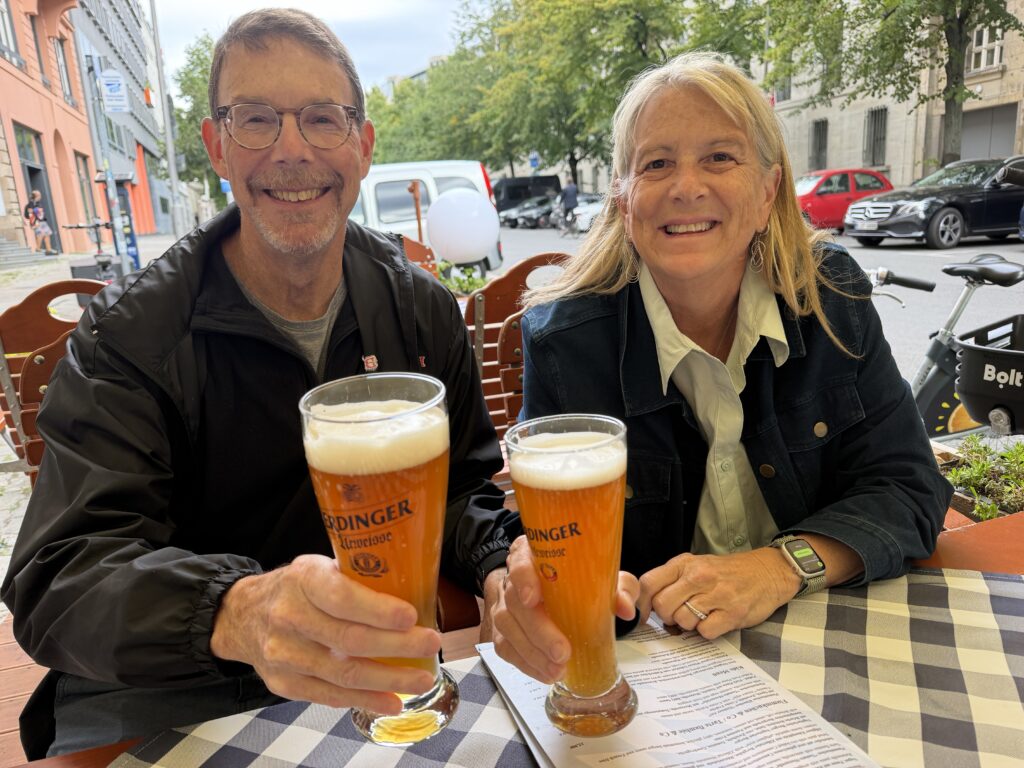
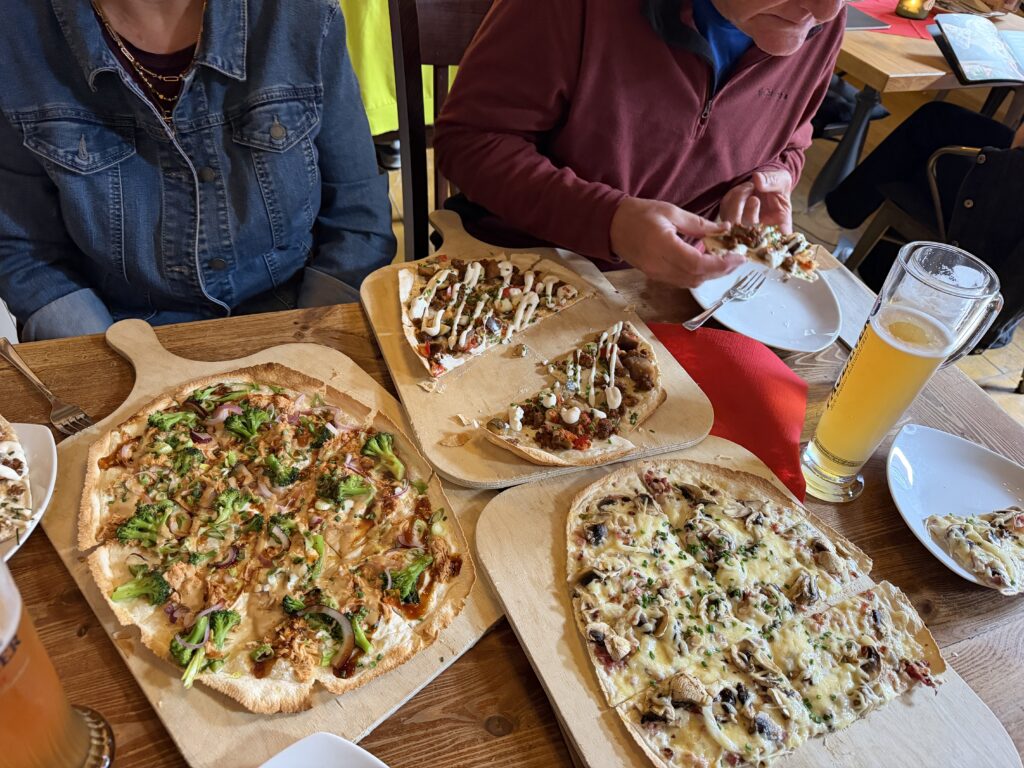
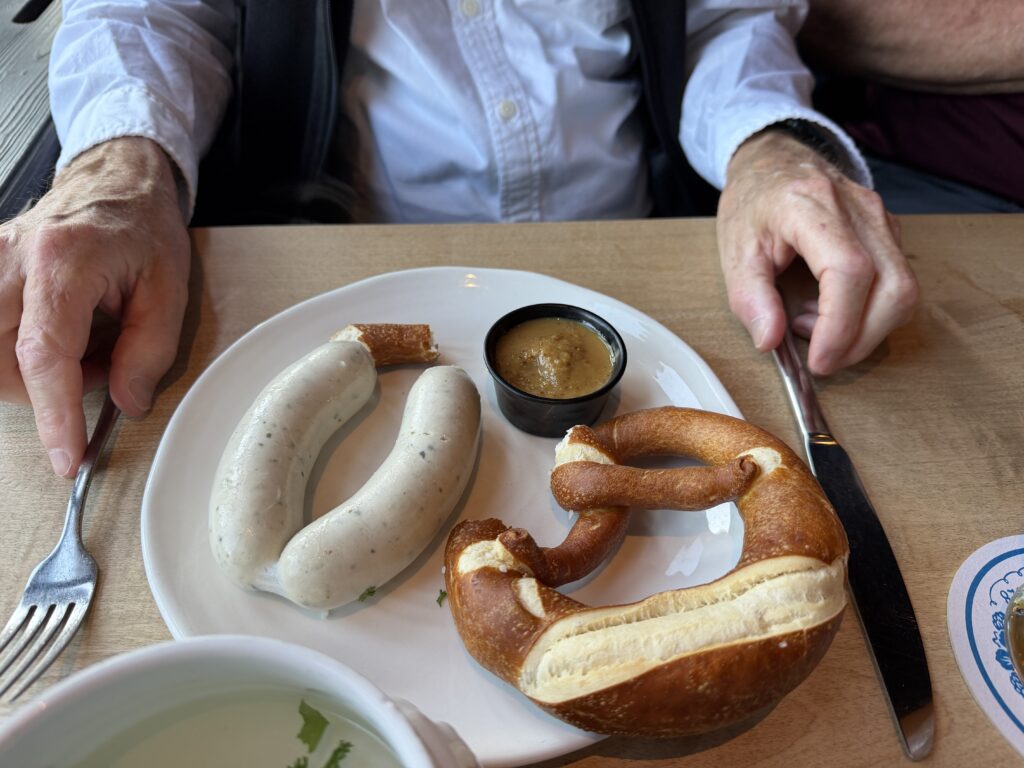
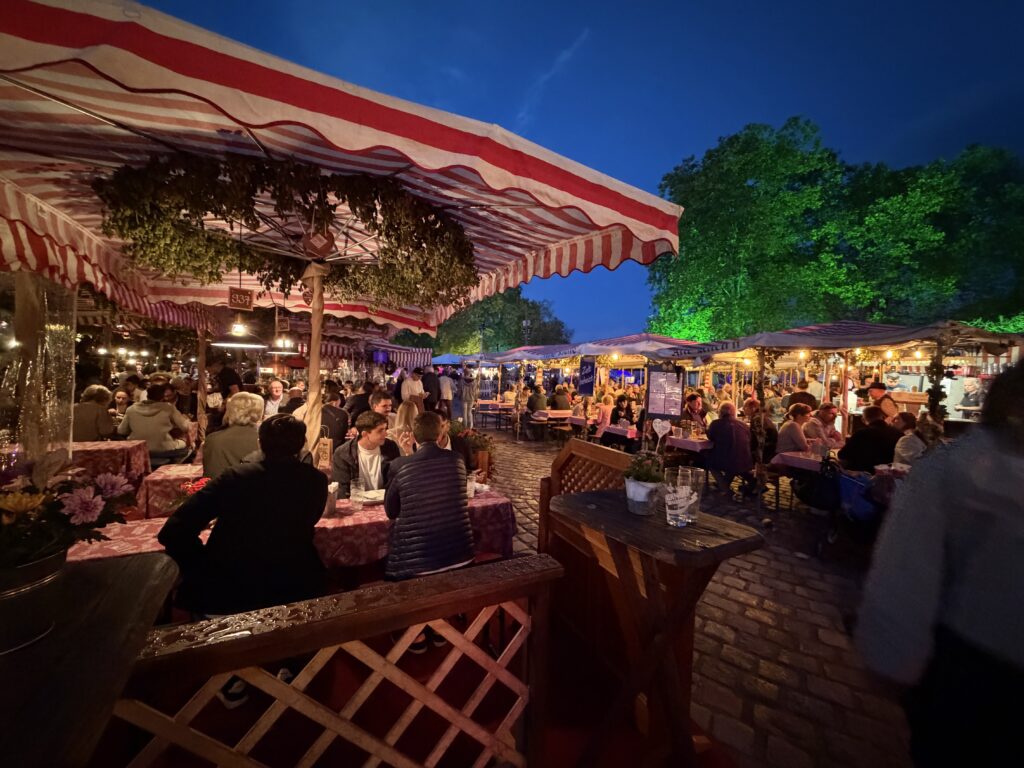
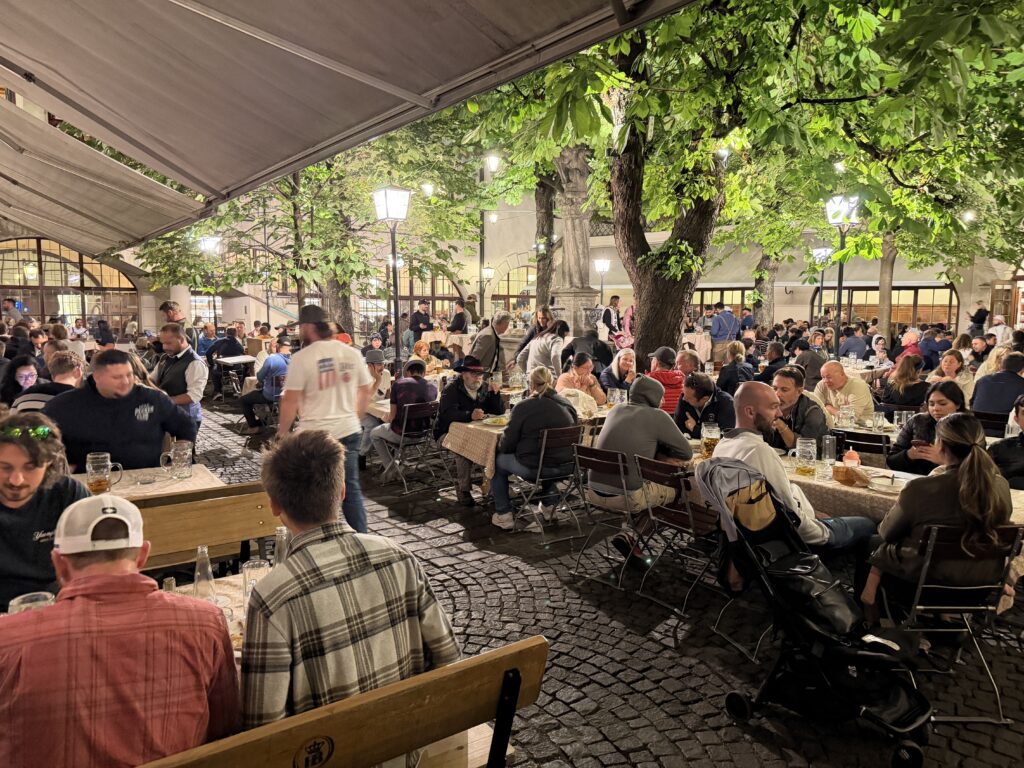
Everyone warned us that we’d be eating a lot of pork and they were correct. However, there are other things on menus too. Nonetheless, the “standard” menu usually includes pork knuckle, one or more sausages, some sort of fish, schnitzel, roast neck of pork, sauerbraten, and beef goulash. In general, the food was much better that I expected, albeit not too imaginative. The primary drink of choice is beer. On tap, we usually had a choice of four beers: lager-like, wheat beer, dunkel (dark), radler (beer and lemonade). NAs and imports are available in bottles. The beers-on-tap were all fabulous, regardless of the brewer. Most of the available wine is German Rieslings. We did eat at a few non-German restaurants and they we largely quite good, especially in Berlin.
Oktoberfest
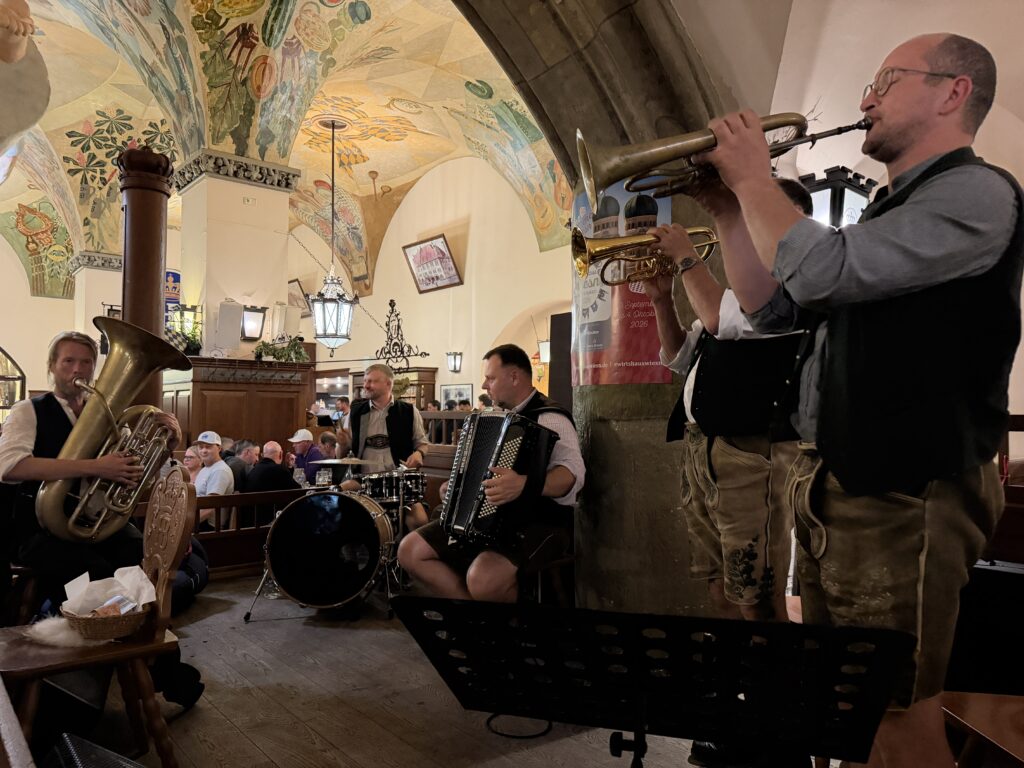
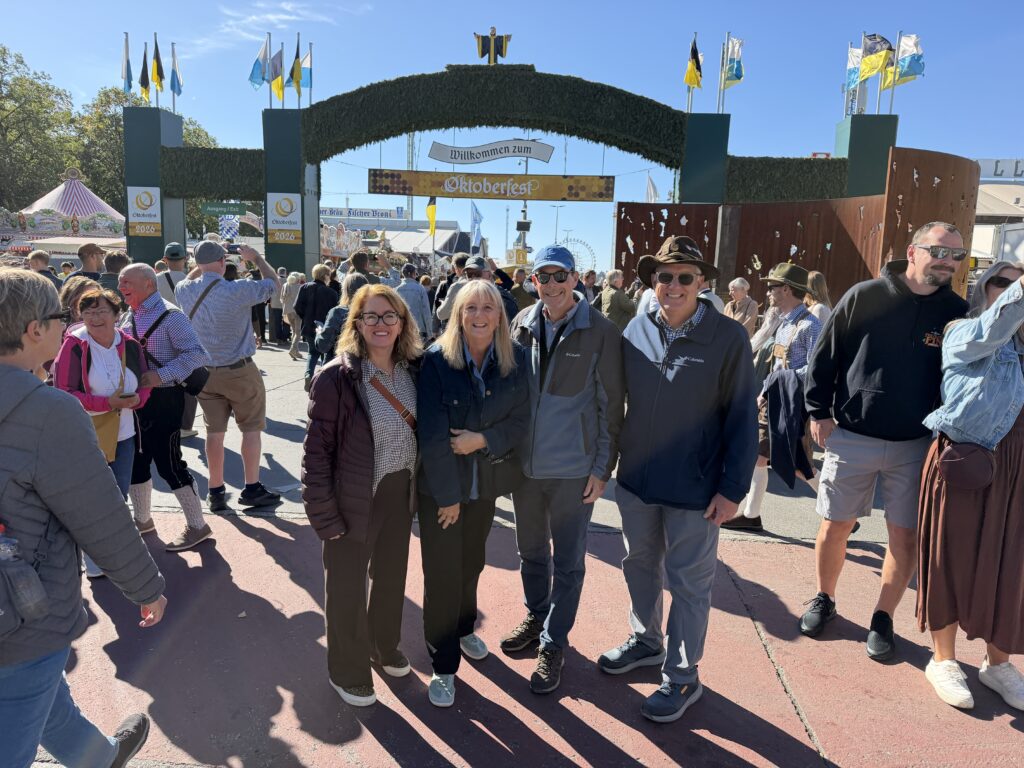
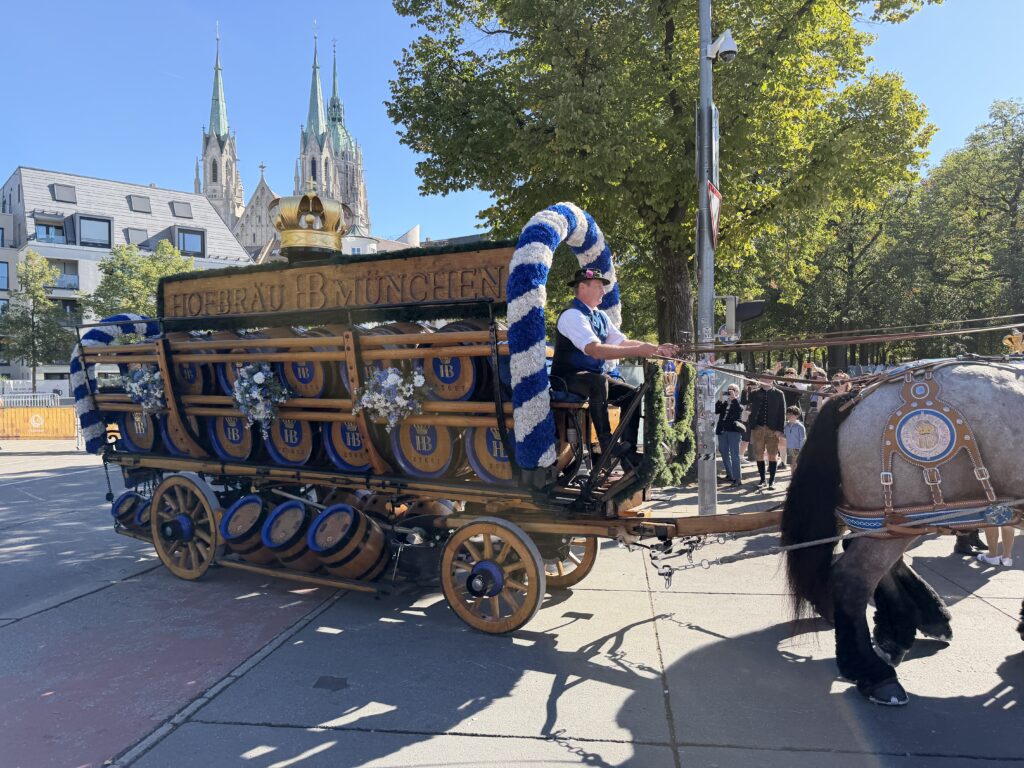
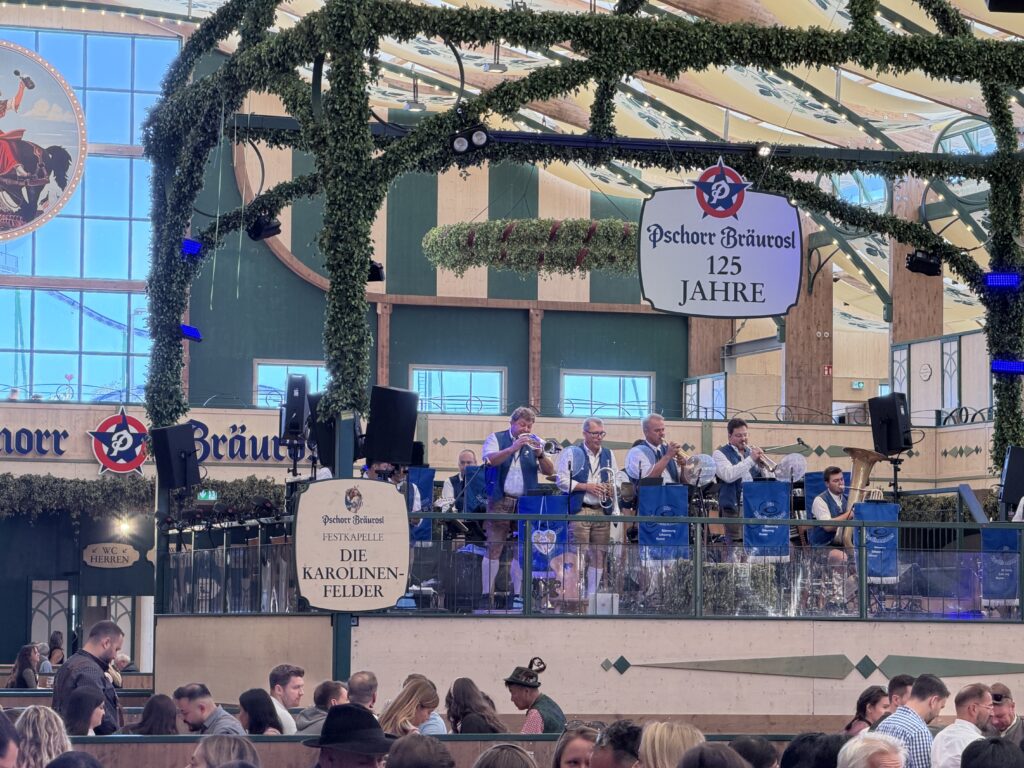
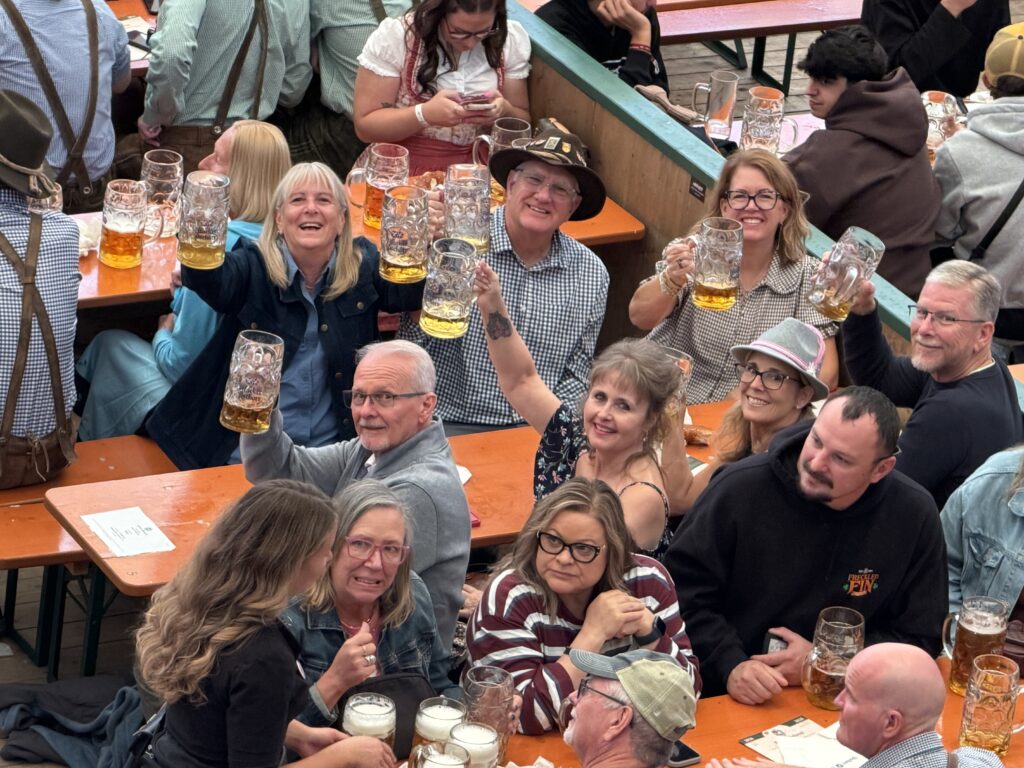
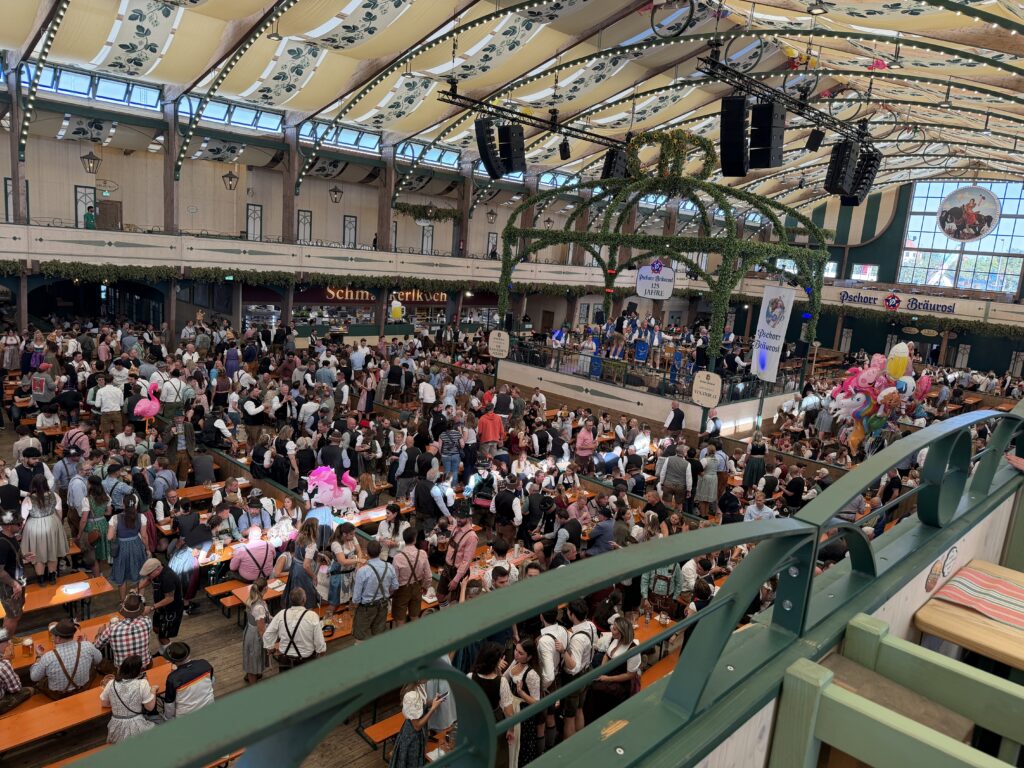
We were fortunate to be in Germany during Oktoberfest and that Marv insisted that we go. Simply put, it is the party to end all parties. It’s held in Munich every year and attracts an average of 450,000 people every day. It’s held on the enormous Theresienwiese festival grounds, that is largely comprised of Beer “tents” and amusement park rides. The tents serve beer and food in enormous quantities. They have great bands playing traditional German and classic popular music from 11am until they close down. The big tents, such as ours, hold more up to 8,000 people and fill up over the course of the afternoon.
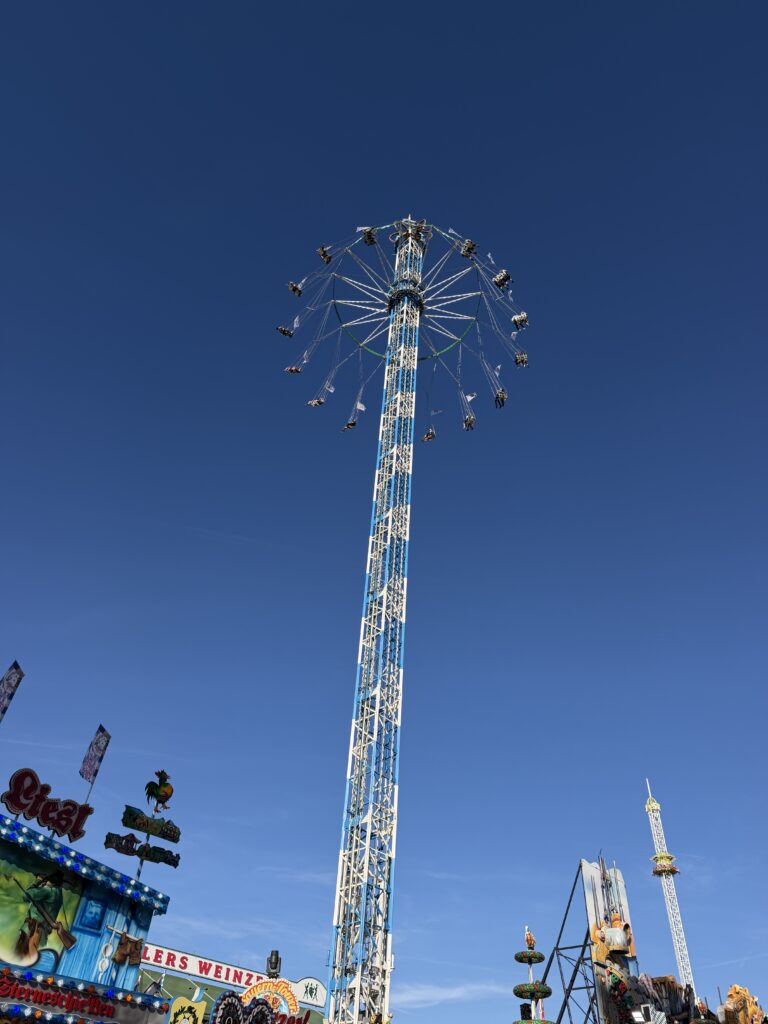
At noon when everyone is working on their first liter of beer, it’s pretty calm. People are getting to know their “tablemates” and eating lunch. By 2 o’clock and into the 2nd liter, we’re starting to sing with the band dance on the floor, high fiving, and the like. By 4, it’s the 3rd liter, most people are standing or dancing on the benches and tables, band members are handing beers off the stage to people on the tables, and people are really friendly. It’s just insane fun. And there’s things like rides, bumper cars, unusual food, and odd-ball souvenirs outside the tent. Just crazy.